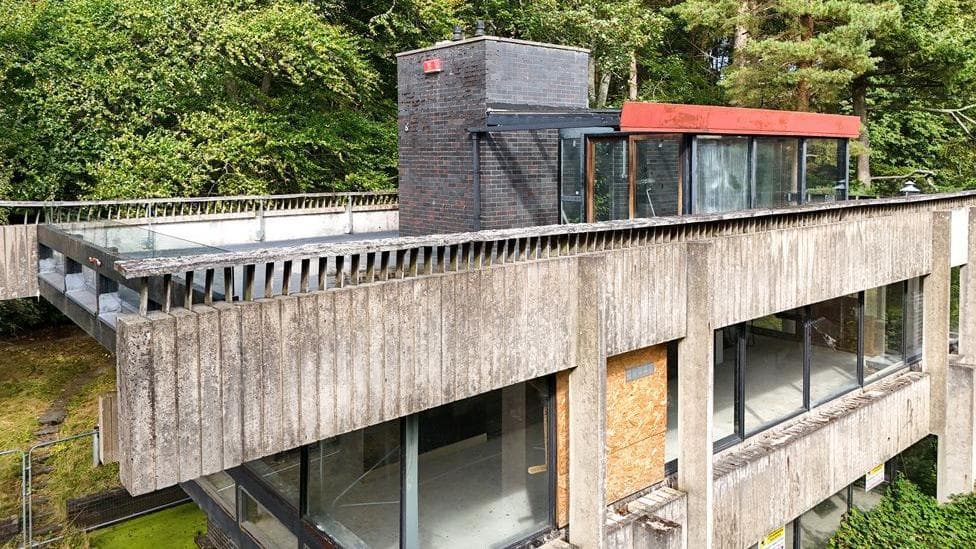
The abandoned studio of celebrated textile designer Bernat Klein is welcoming visitors through its doors for the first time since a consortium acquired the property to prevent its continued deterioration. The A-listed building near Selkirk in the Borders will host public tours this weekend as part of a major restoration initiative, offering a rare glimpse at the structure in its current state before work begins to return it to active use.
A partnership comprising the Bernat Klein Foundation, the National Trust for Scotland and the Scottish Historic Buildings Trust purchased the site at auction following years of vacancy. The coalition has committed to a comprehensive restoration programme estimated at more than £3m, with the initial phase focused on stabilising the structure and halting further damage.
Why is this building significant?
The studio represents one of Scotland's most important modernist structures, designed by architect Peter Womersley and built as a working space for textile design, weaving and sample exhibition. Womersley also created Klein's adjacent residence, High Sunderland, completed in 1958, and designed the distinctive cantilevered stand at Gala Fairydean Rovers' Netherdale ground, demonstrating his influence across multiple building types and scales.
Klein, who died in 2014, established an international reputation through collaborations with major European fashion houses including Dior, producing some of the twentieth century's most distinctive textiles. His studio functioned as both a creative workspace and showcase for his innovative design work.
What is the current condition of the building?
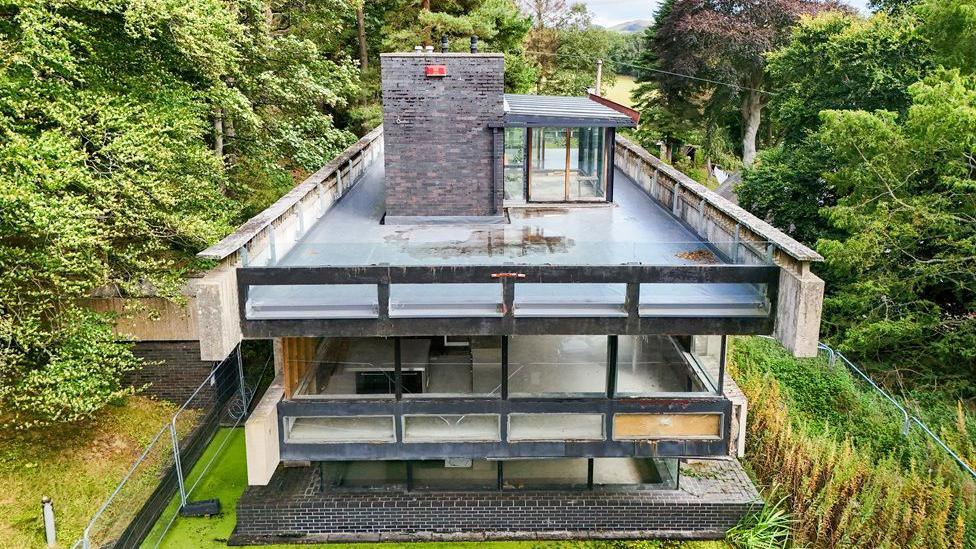
The property has remained on the Buildings at Risk Register since 2002, deteriorating significantly during more than two decades of disuse. The structure is in severely dilapidated condition, which is why the first phase of the restoration project prioritises urgent stabilisation work rather than full restoration. According to reports on the project, this initial phase aims to stop further deterioration and reduce the risk of unauthorised entry.
The Doors Open Days this Saturday and Sunday will allow the public to witness the scale of the challenge facing the restoration team and understand the building's current state at the very beginning of its recovery process.

How is the restoration being funded?
The first-phase stabilisation work is supported by £245,000 from the National Lottery Heritage Fund, with additional financial backing from the Architectural Heritage Fund, Pilgrim Trust, Path Fund, William Grant Foundation and Scottish Borders Council. This funding structure reflects the building's recognised importance to Scotland's architectural heritage and cultural history.
Once stabilisation is complete, the coalition intends to restore the studio to its original function as a design workspace while establishing it as a base for the Bernat Klein Foundation's exhibitions, workshops and educational programmes.
What happens next in the restoration process?
The Scottish Historic Buildings Trust is currently seeking a specialist conservation design team to lead the project forward. According to the trust's recruitment announcement, the team must include a conservation-accredited structural engineer, building-services engineer and landscape architect. The deadline for submissions is noon on Friday 11 September 2026, with the selected team expected to begin work on 3 November 2026 and complete initial concept proposals by 30 June 2027.
Dr Samuel Gallacher, director of the Scottish Historic Buildings Trust, emphasised the cultural significance of the initiative:
The Bernat Klein Studio, designed by architect Peter Womersley, is one of the most significant modernist buildings in Scotland, yet for more than 20 years it has sat empty and out of use. Opening the doors, even for a handful of tours, as part of our National Lottery Heritage Fund project to save the building, reminds people that the Studio belongs to Scotland's story and has a future ahead of it.
It has earned a real affection, locally and internationally, and we wanted people to see it as it is today, at the very start of its restoration, so they can feel a part of our longer-term project to bring it back to life.
The restoration of the Bernat Klein Studio forms part of a broader movement across Scotland to preserve significant architectural heritage at risk. Similar projects, including the stabilisation of Springburn Winter Gardens with £1.1m funding, demonstrate growing commitment to rescuing important buildings from dereliction and returning them to community use.
Key Facts
- The studio was designed by modernist architect Peter Womersley and has been on the Buildings at Risk Register since 2002
- Full restoration is estimated to cost more than £3m, with the initial stabilisation phase supported by £245,000 from the National Lottery Heritage Fund
- Bernat Klein collaborated with major European fashion houses including Dior and died in 2014
- The conservation design team must be selected by 11 September 2026, with work scheduled to run until 30 June 2027
- The restored studio will function as both a design workspace and home for the Bernat Klein Foundation's exhibitions and educational programmes