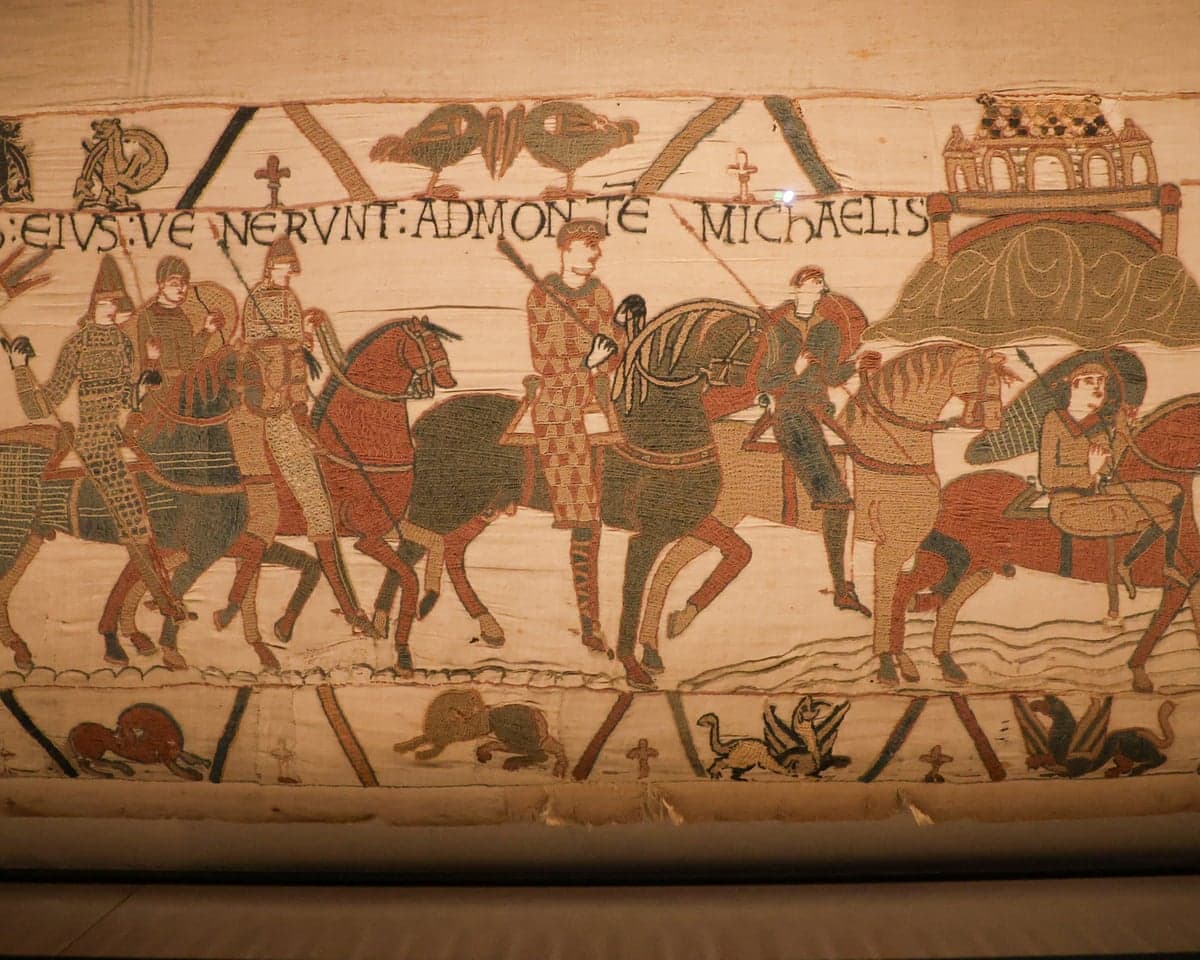
The arrival of the Bayeux Tapestry at the British Museum represents far more than a temporary exhibition. It embodies a significant moment of cultural diplomacy between Britain and France, demonstrating how shared heritage can transcend political divisions in an era of post-Brexit relations. The 70-metre medieval embroidery, which depicts the Norman conquest and the death of King Harold at the Battle of Hastings in 1066, has been transported to London for the first time in nearly 1,000 years, creating what many regard as a watershed in Anglo-French cultural exchange.
Demand for access has been extraordinary, with over 65,000 ticket requests submitted before the exhibition's official opening. According to museum sources, the exhibition will be a 40-minute experience with ticket prices ranging from £25 to £33 for visitors aged 16 and over. Online queues have stretched to 80,000 people, with some facing waits of up to nine hours to secure their place.
The tapestry was moved from Bayeux to the British Museum in a secret overnight operation on 9 July 2026 and is now in London ahead of the public opening on 10 September 2026. According to international news reports, the exhibition will run through 11 July 2027, with the loan period extending to 1 September 2027. Notably, the tapestry will be displayed flat for the first time in London, offering visitors an unprecedented viewing experience of the 11th-century embroidery.
The cultural enthusiasm surrounding the loan has been matched by substantial media investment. Radio 4 is devoting programming to mark the arrival, including a new drama featuring verse from poet laureate Simon Armitage. The narrative explaining this tale of ambition, friendship, betrayal and revenge is being presented by television presenter Claudia Winkleman, known for her work on the reality competition series The Traitors. This multimedia approach reflects the scale of what officials have termed Norman-mania.
How did this historic loan become possible?
The journey to bring the tapestry to London required extraordinary diplomatic effort. The Bayeux Museum in Normandy is undergoing renovations, which created the essential condition for the loan. Two previous attempts—one for Queen Elizabeth's coronation in 1953 and another in 1966—had failed. Many curators and restorers remained deeply concerned about the risks of transporting such a fragile artefact across the Channel. The late artist David Hockney publicly opposed the move, and an online petition against the transfer attracted nearly 80,000 signatures. Yet political determination ultimately prevailed.
The scale of effort required was immense. A former French government official observed that
it probably took more years to deliver this project than all the Brexit talks. To the 623 men, 190 horses, 35 dogs and only three women depicted on the tapestry, one might add a 21st-century British king, a French president, and three British prime ministers who have helped to bring it here—not to mention the millions of pounds the project has cost.

What makes this exchange significant beyond the exhibition itself?
The loan is part of a formal reciprocal cultural arrangement between the British and French governments. The British Museum is displaying the Bayeux Tapestry while France is hosting temporary exhibitions of British treasures, including the Sutton Hoo collection, the Lewis chessmen and other works. This bilateral framework, running between September 2026 and July 2027, represents a deliberate effort to strengthen cultural ties during a period when political relationships between Britain and Europe remain complex.
The tapestry itself carries profound political resonance. From Tennyson's 1876 epic verse drama Harold to contemporary parodies in popular culture, the embroidery has enjoyed a rich cultural afterlife. However, its message has consistently been political. Napoleon and the Nazis both recognised its potential as a propaganda tool. In 2014, Nigel Farage, then leader of Ukip, wore a Bayeux Tapestry silk tie during a byelection campaign as a reminder of Norman heritage. The tie sold out within 24 hours, demonstrating the enduring symbolic power of the artefact.
What does the tapestry reveal about medieval conflict and human experience?
The Bayeux Tapestry transcends its role as a historical document to become a devastatingly human saga. Its depiction of warfare, suffering and the consequences of conquest speaks across centuries. With conflict continuing to affect Europe, this medieval masterpiece serves as a sobering reminder of war's brutality and the importance of international collaboration. The narrative woven into the embroidery—literally and figuratively—demonstrates how societies process trauma and commemorate pivotal moments.
The cultural appetite for this artefact reflects a deeper need in fractured times for shared narratives and national stories. The tapestry offers something that transcends partisan divisions: a common heritage that both Britain and France can claim and celebrate together.
What happens next?
The exhibition opens to the public on 10 September 2026 at the British Museum. Ticket releases are being phased, with the initial release covering visits from September to December 2026. The tapestry will remain on display in London until July 2027, after which it will return to France. The return is timed to coincide with the 1,000th anniversary of William the Conqueror's birth in 2027, creating another significant cultural moment.
If the London exhibition proves successful, it may establish a precedent for equally ambitious cultural exchanges between Britain and France in the future. The loan demonstrates that even in an era of political uncertainty and post-Brexit recalibration, shared cultural heritage can serve as a bridge between nations. As one French government adviser noted, this represents a truly once-in-a-millennium event. The hope is that its success will inspire further collaboration and deepen the entente cordiale between the two countries.