Female participation in engineering education across Northern Ireland has surged over the past decade, yet the sector remains substantially male-dominated in employment. Mechanical Engineering enrolment at Queen's University has climbed by 40% over ten years, while Ulster University has seen engineering student numbers nearly double in the same period. However, women currently hold only around 11% of engineering roles in Northern Ireland and comprise approximately 23% of the manufacturing workforce, revealing a significant gap between educational progress and workplace representation.
A coalition of women working in engineering and manufacturing in Mid Ulster is now working to highlight career pathways and challenge long-held perceptions about the sector. Their efforts come as the region celebrates its status as a global manufacturing hub: more than 40% of the world's mobile crushing and screening equipment is manufactured in the Mid Ulster area.
How has the workforce changed at major manufacturers?
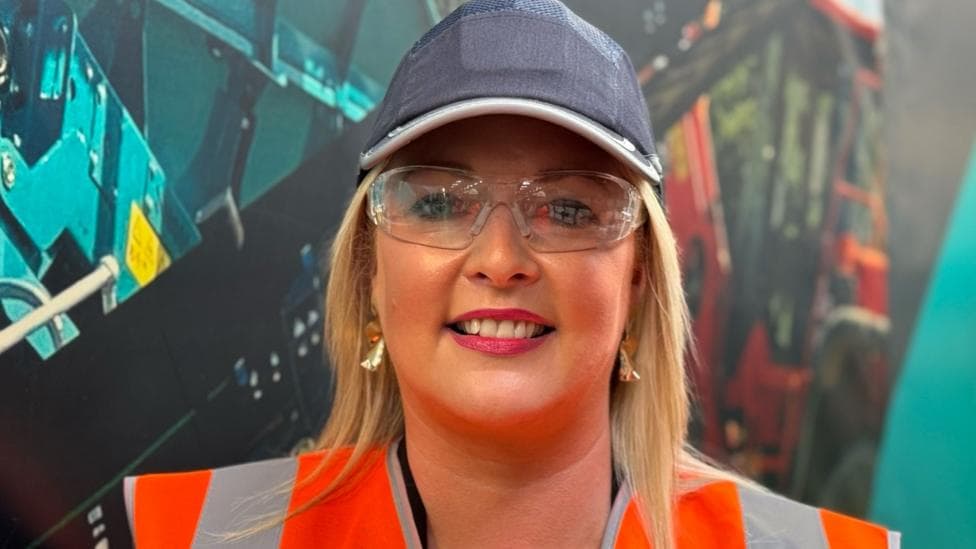
Lorraine O'Neill joined Powerscreen, one of County Tyrone's largest manufacturing companies, in 1994 when fewer than 10 women worked there. Today the firm employs more than 300 women across Northern Ireland, and half of its senior leadership positions are held by women—a transformation from the all-male management structure O'Neill encountered three decades ago. O'Neill now serves as Senior Logistics Manager at Powerscreen, a global manufacturer of equipment for quarrying, mining and construction sectors.
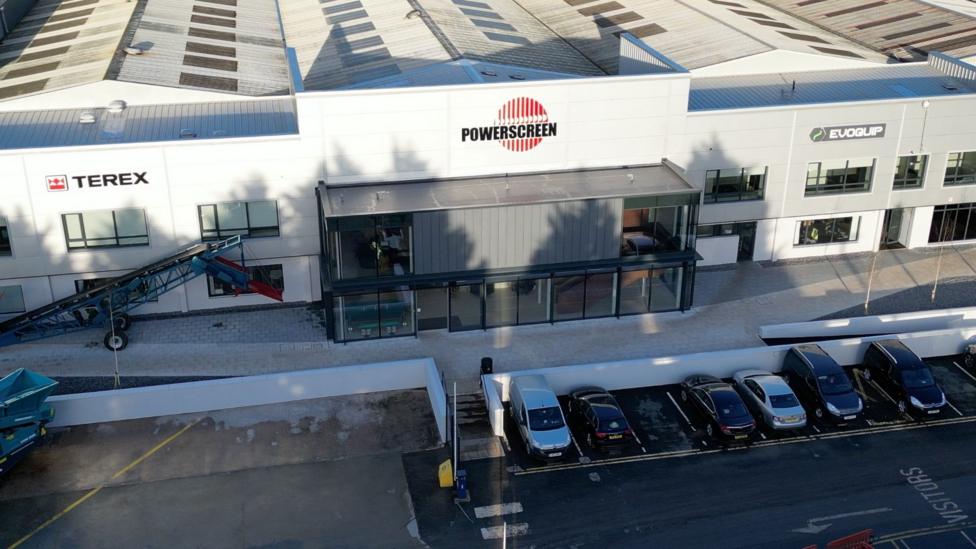
Founded as Ulster Plant Ltd in 1966, Powerscreen pioneered mobile screening technology and expanded from a local engineering firm into an international brand. Terex Corporation acquired the business in 1999, though operations remained rooted in County Tyrone. As the company marks 60 years in operation, Powerscreen will showcase its mobile crushing, screening and conveying equipment at Hillhead 2026, and the firm has been shortlisted for the Made in Northern Ireland Awards in the Outstanding Contribution to Northern Ireland Manufacturing category.
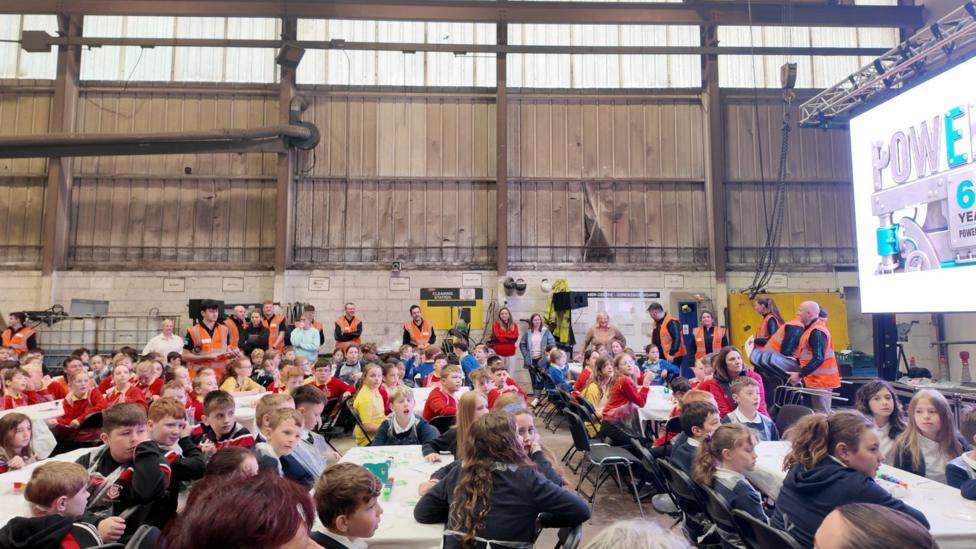
O'Neill emphasised that while gender stereotypes persist in the industry, substantial progress has been made.
When I joined more than 30 years ago, there were no females in the senior management team at all, but today 50% of our senior leadership team are female.She advocates for women to pursue senior leadership roles and highlighted the diversity of career paths available beyond traditional engineering positions.
I love my job, I help ship our machinery all over the world and no day is the same. A lot of people have a picture in their head about engineering and manufacturing jobs but they don't understand there are so many different opportunities from logistics, to finance to procurement.
What are recent graduates experiencing?
Sneha Saji, a recent engineering graduate now employed as a manufacturing engineer at Powerscreen, entered the sector with initial reservations about its male-dominated character. Exposure to women in senior engineering roles during internships shifted her perspective.
Before starting my engineering degree, I probably did have an idea in my head that this industry was primarily for men, but doing internships and seeing women in senior engineering roles really did inspire me.She encouraged prospective entrants not to be deterred by stereotypes.
It can be daunting if you're in certain departments that might be male dominated, but I would say just give it a shot, don't let the stereotypes put you off, ask plenty of questions and don't be afraid to make mistakes.
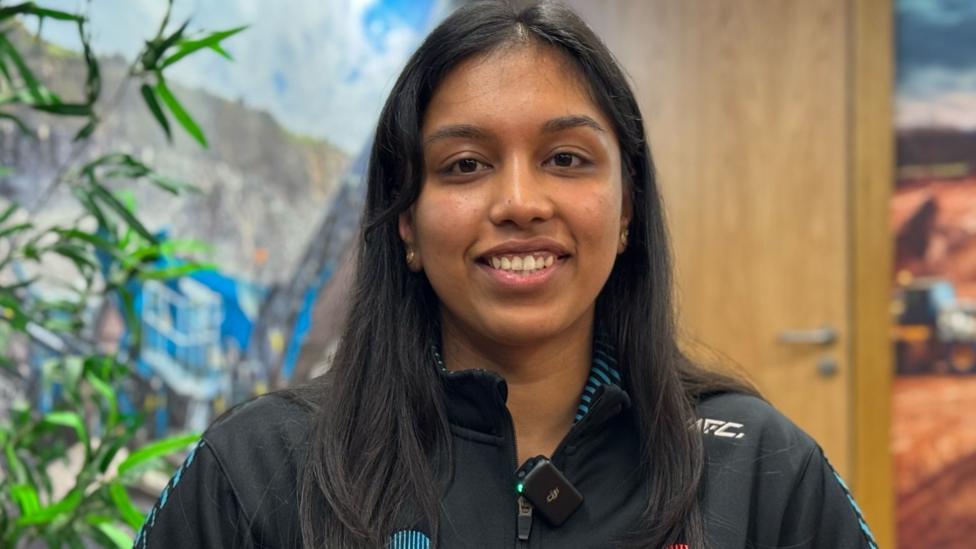
Amelia McCormack joined Powerscreen seven years ago through an apprenticeship scheme and now works as a senior logistics co-ordinator. The "earn while you learn" model appealed to her, and she has remained with the company throughout her career. She described the role as
hands on, fast pacedand expressed pride in her position.
I am really proud to be a woman working in this industry, showing that things have changed, but it's fair to say that there is still work to do.

What do educators observe about changing trends?
Juliana Early, professor at the School of Mechanical and Aerospace Engineering at Queen's University, attributes rising female participation in engineering degrees to shifting perceptions and targeted recruitment efforts.
Having worked at Queen's for the past 23 years, I have seen first-hand the sustained commitment to increasing participation of women in the engineering sector. This growth reflects changing perceptions of the opportunities afforded by engineering and the success of targeted efforts to ensure that talented women see the sector as a place where they can thrive.Support mechanisms have expanded: women students from low-income households and under-represented groups in Northern Ireland were offered £15,000 scholarships under the This is Engineering: Schools pilot launched in spring 2022, part of a broader STEM education effort funded by the Department for the Economy.
Educational initiatives continue to expand. Students at St Louise's Comprehensive College in west Belfast became the first northern cohort to complete the STEM Passport for Inclusion programme, which awards a Level 4 qualification accredited by Queen's University Belfast. Additionally, the MEGA Network, an industry-led group promoting manufacturing and engineering in Mid Ulster, has established a degree apprenticeship in Manufacturing and Engineering with Ulster University's School of Computing, Engineering, and Intelligent Systems at Magee.
How can early exposure to STEM shape career choices?
Rachel Pattison, who has worked as an engineer in Northern Ireland for 16 years, credits her entry into the field to early encouragement in mathematics and physics combined with supportive parents and teachers.
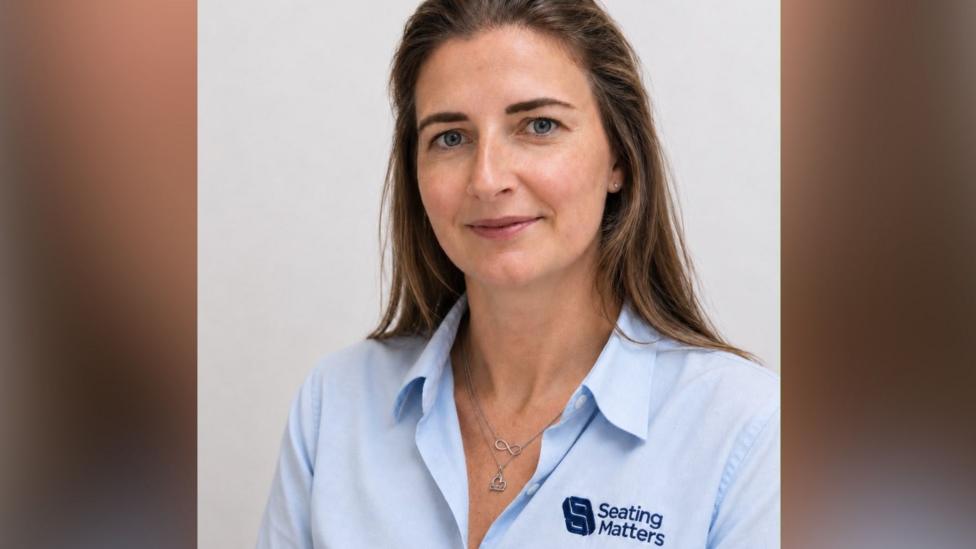
I was always good at maths and physics at school and had very supportive parents, so I never thought that engineering and manufacturing was something that I wouldn't be able to do.She believes that surrounding young women with positive role models and encouragement during secondary education is crucial to broadening participation. Pattison now heads operations for Tierco Healthcare, which designs specialist seating for hospitals and care facilities.
Subject choice patterns at secondary level reveal persistent gender gaps. In 2024, mathematics and physics ranked among the most popular A-level subjects for boys but did not appear in the top five for girls. According to the Department for the Economy's women in STEM taskforce, only one in five STEM jobs in Northern Ireland are filled by women.
Pattison advocates for visibility of women already working in engineering to inspire younger generations.
There's no arguing the employment statistics show there's still along way to go in terms of female representation in the industry, but it's about shining a light on those women already working it. To any young women out there who want to break into the industry, I would just say be curious, if it's something you feel passionate about do not let anybody pigeonhole you or say you can't make it, because it's not true.
What opportunities lie ahead?
Career development pathways are expanding across the region. Ulster University's Belfast campus is scheduled to host a careers fair on Tuesday 02 June 2026 from 11am to 3pm, providing direct access to employers and programme information. The MEGA Network's degree apprenticeships in Mechanical & Manufacturing Engineering, Accountancy & Finance and Electrical & Electronic Engineering accept applications each March, offering structured pathways combining academic study with workplace experience.
While educational enrolment trends demonstrate growing female interest in engineering, workplace statistics underscore the need for sustained effort to translate educational gains into employment representation. The experiences of O'Neill, Saji, McCormack and Pattison illustrate both the progress achieved and the ongoing work required to establish engineering and manufacturing as genuinely inclusive career sectors across Northern Ireland.