
Small businesses across the UK are struggling under the weight of fuel prices that have climbed to their highest levels since 2022, with transport operators reporting thousands of pounds in additional monthly expenses. Noel Lewis, owner of Lewis Light Haulage & Storage in Stourport-on-Severn, Worcestershire, described the financial strain as unsustainable, saying his company now faces approximately £1,200 in extra fuel costs each week.
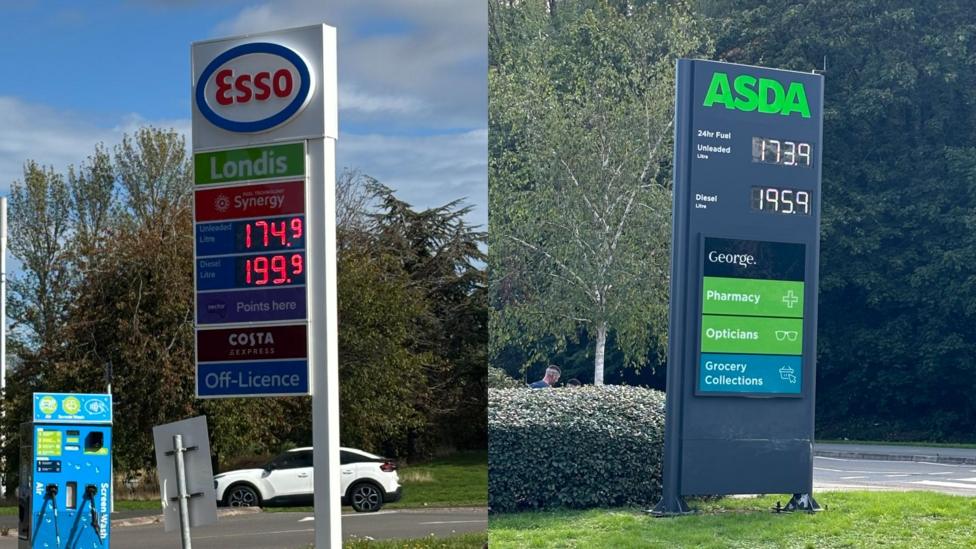
The surge in diesel and petrol prices stems from escalating conflict in the Middle East, which has severely disrupted oil production and transportation across the region. According to the RAC, diesel is currently averaging £1.92 per litre, a level not seen since Russia's full-scale invasion of Ukraine in 2022. More recent data shows the situation has worsened further, with one UK fuel tracker recording diesel at 190.7p per litre on 14 September 2026, and official weekly averages reaching 183.49p per litre for the week beginning 31 August, with a 55-litre fill costing approximately £100.92.
The Middle East supply crisis has intensified dramatically in recent weeks. Fresh attacks on 13 September 2026 pushed crude prices above $100 a barrel, while Saudi Arabia's decision to shut the East-West crude pipeline that bypasses the Strait of Hormuz has tightened an already strained market. Refined products such as diesel have been hit particularly hard, with diesel exports from the region remaining nearly 60% below pre-war levels.
How are small businesses coping?
Operators like Lewis say they are caught between rising costs and the need to retain customers. With six vehicles in his fleet, Lewis explained that smaller haulage firms cannot compete with larger competitors that benefit from economies of scale and stronger purchasing power.
They have the economies of scale working in their favour [...] if you put your prices up somebody might come in and be able to suffer that cost for a few weeks, just to knock you out the game, he said.
To absorb the additional expenses without pricing themselves out of the market, Lewis and his wife have taken wage cuts.
With businesses, you want to keep custom coming back to you so you do not want to put your prices too high, he explained. This strategy, while preserving customer relationships, comes at considerable personal cost to business owners already operating on tight margins.

What impact are drivers experiencing?
Individual motorists are also feeling the pinch at the pumps. Susan Parkes from Telford, who drives a diesel car, described fuel prices as
extortionate. She recounted how a holiday trip required an additional £20 in fuel, bringing her total tank cost to approximately £120.
You have to cut your cloth accordingly. Where you are used to having a treat, you have got to think about your meals and shopping [because of money spent on fuel], she said.

Katie Woollacott, also from Telford, has adopted a different strategy to manage costs. She uses an app to locate cheaper fuel and regularly travels 20 to 30 minutes towards Birmingham or Whitchurch to save approximately 20p per litre.
I stopped to refill the other day and it cost me about almost £70 for my 1.6 litre Mini, so it's definitely a jump as I do not normally spend over 50, she said.
What government support is available?
A Treasury spokesperson stated that the government continues
to protect the British people and businesses from this crisis. The administration has extended a 5p fuel duty cut, meaning diesel is 11p per litre cheaper until the end of the year than it would have been under plans inherited from the previous government. Hauliers also benefit from a 12-month road tax holiday.
The government has also promoted the Fuel Finder service, which uses data to help drivers locate the cheapest fuel in their area. A spokesperson said the government would
tackle the cost of living to make life's essentials affordable again and bring back hope.
What are the longer-term supply concerns?
The disruption to Middle Eastern oil supplies shows no immediate signs of easing. Industry analysis suggests that some customers have been warned of possible cancellations or reduced deliveries through to the end of October because of Middle East supply disruption. The broader refining market remains constrained by reduced Russian refinery output and limited spare refining capacity worldwide, keeping pressure on diesel prices across Europe and beyond.
What happens next?
The government has scheduled further increases to fuel duty. Diesel duty is set to rise on 1 December 2026, with another increase scheduled for 1 March 2027, according to official government fuel duty rates for 2026 to 2027. These scheduled rises will add to the burden already facing businesses and motorists struggling with current price levels.