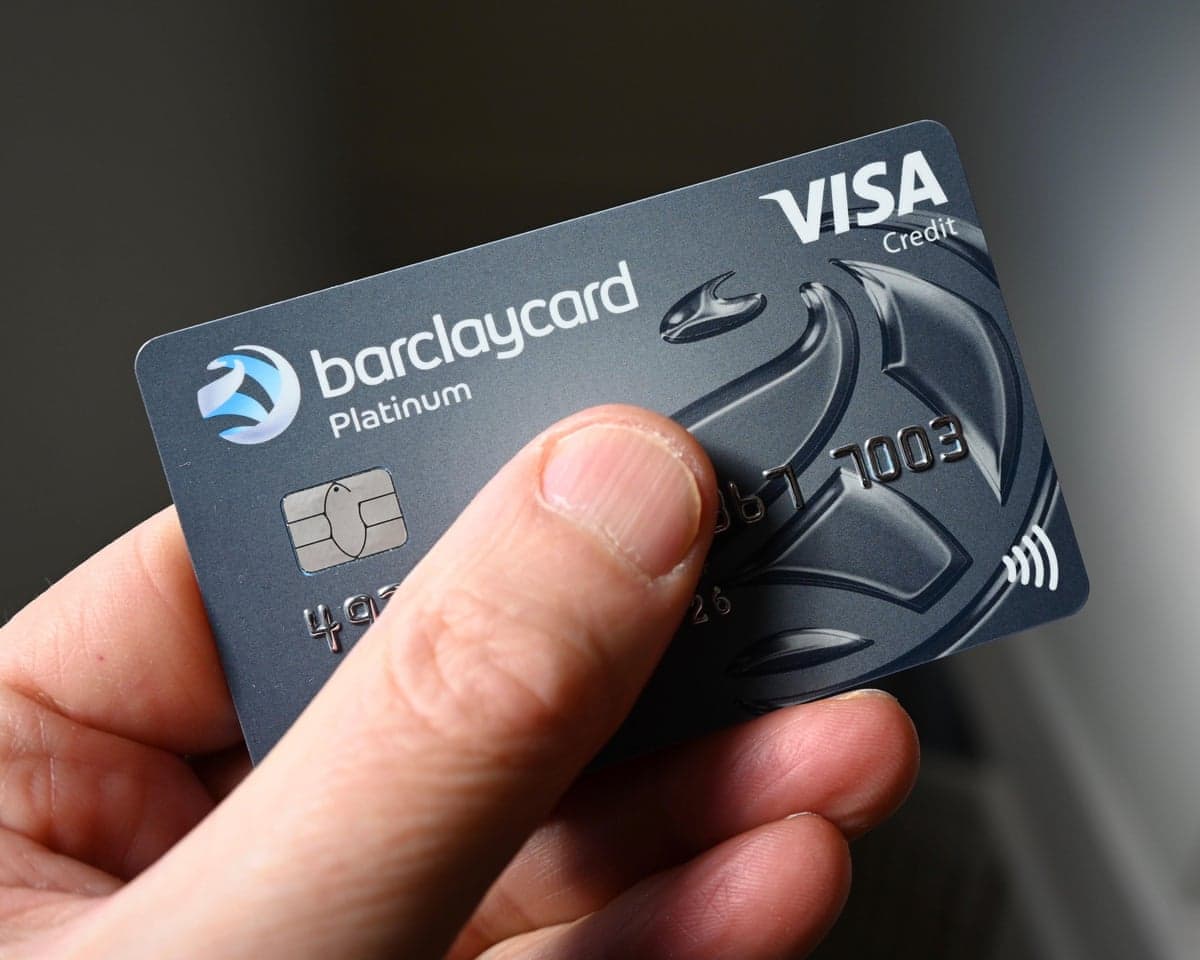
A year ago, an email arrived from Barclaycard confirming that an "application was successful" for a credit card. The sender had submitted no such application. The matter was reported to Barclaycard immediately, triggering a series of follow-up messages and multiple calls to the company's customer service team.
Staff members assured the sender that the error stemmed from a simple typo rather than fraudulent activity, and promised that the email address would be removed from the account. Despite these assurances, payment overdue notifications have now begun arriving.
The account holder shares the same name as the person who received the erroneous emails, though with a slightly different spelling. This mix-up has created a frustrating situation where two individuals are caught in the consequences of Barclaycard's administrative failure.

The delay in resolving this issue has been substantial. Barclaycard attributed the problem to "human error" and only removed the email address exactly 13 months after it was first reported. The company subsequently apologised for the extended timeframe and offered £200 as compensation for the "inconvenience" caused.
The situation highlights a broader concern about data management in financial services. The person receiving the erroneous notifications remains on Barclaycard's system, continuing to receive payment reminders for an account that does not belong to them. Meanwhile, the actual account holder—identified as another PG—is also affected by the company's failure to maintain accurate contact information, as Barclaycard possesses his email address and is aware of his debt status.
This case reflects a pattern of administrative errors in the financial sector that can cause significant stress to consumers. While the amount of compensation offered may seem modest, the underlying issue—the time taken to resolve a straightforward data correction—raises questions about the efficiency of customer service processes at major financial institutions.