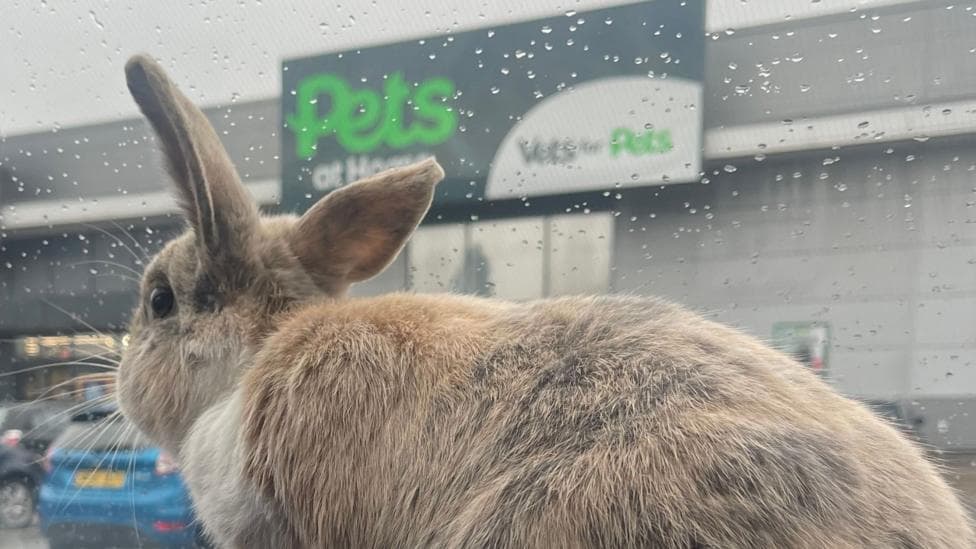
Cinnamon the rabbit faces a dilemma that many London pet owners know well: the cost of veterinary care depends heavily on which borough you live in. According to BBC News, price variations across London extend far beyond veterinary services, affecting everything from fast food to cinema tickets and petrol. The reasons behind these disparities reveal how location, convenience, and operational costs shape what consumers pay for identical goods and services.
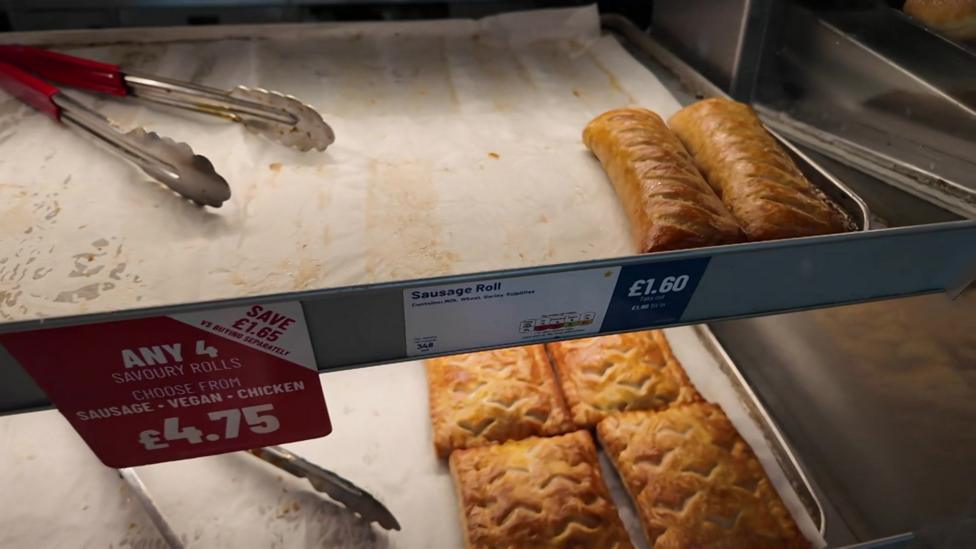
The phenomenon is not limited to specialist services. A Greggs sausage roll, one of Britain's most standardised food items, costs £1.35 in outer London boroughs like Sutton but rises to £1.60 in central London. Greggs explained to the BBC that while the chain uses national pricing for most outlets, certain locations with higher-than-average costs—particularly transport hubs—command premium prices.
How do restaurants justify different prices in the same chain?
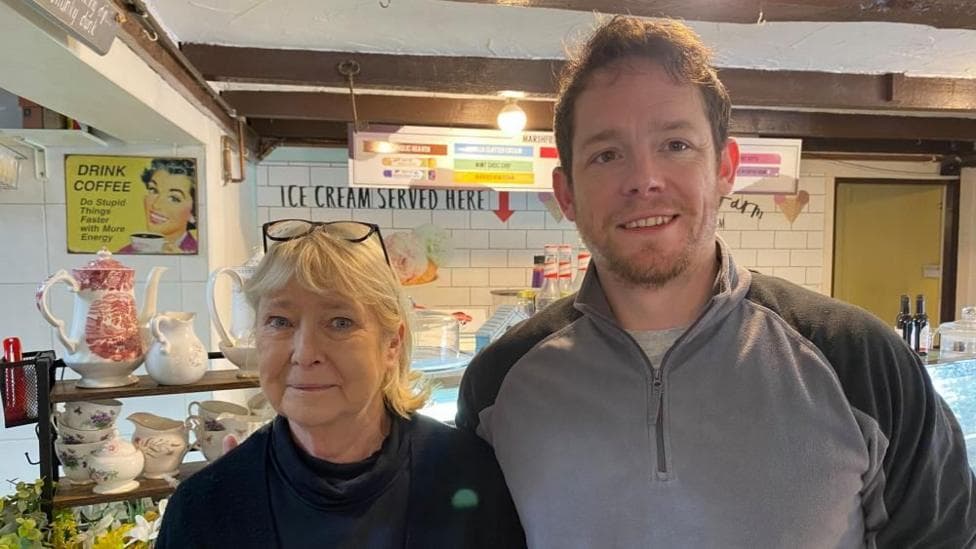
Restaurant pricing reveals a more complex picture. A Duo Romana pizza from Pizza Express costs £20.95 in Muswell Hill, north London, but just three miles further north in Southgate, the same pizza costs £21.95. In central London, the price jumps to £22.95. Consumer expert Helen Dewdney from The Complaining Cow attributes these variations not only to higher operating costs in central areas but also to the convenience factor. Southgate has a Tube station while Muswell Hill does not, meaning businesses in transport-connected areas can charge more because customers are willing to pay for accessibility.
"It's all about cashing in on convenience for people. One will be nearer a Tube, so they're counting on people saying 'Oh, I'll just get a pizza on the way home'. Whereas another you might have to make a journey to it."

What other London services show price variations?
Cross-borough price differences extend across numerous sectors. A Vue cinema ticket purchased online costs £6.99 in Eltham but £9.99 in Piccadilly or Angel, Islington. A blow dry at Rush hair salon ranges from £40 in Ilford, east London to £45 in Kentish Town, north London. A fish, chips and drink meal at Wetherspoons costs £11.18 in Sidcup, south-east London, compared to £12.77 in Camden Town, north London. Even petrol prices fluctuate significantly within short distances, with a survey by EG On the Move finding unleaded (E10) prices ranging from 171.9p to 177.9p per litre across London on the same day. Forecourts near main roads, motorways, or supermarkets often charge different rates.
Why do veterinary fees vary so dramatically between practices?
Perhaps the most striking price disparities appear in veterinary care. Recent legislation requires vets to publish comprehensive price lists for standard services, yet this transparency does not guarantee uniform pricing across branches of the same chain. At Vets for Pets in Pets At Home in Chingford, east London, a rabbit castration including two follow-up consultations costs £136. The identical procedure at the same chain's Enfield branch, north London, costs just £70—nearly half the price. Dewdney expressed surprise at this near-doubling of costs between locations.
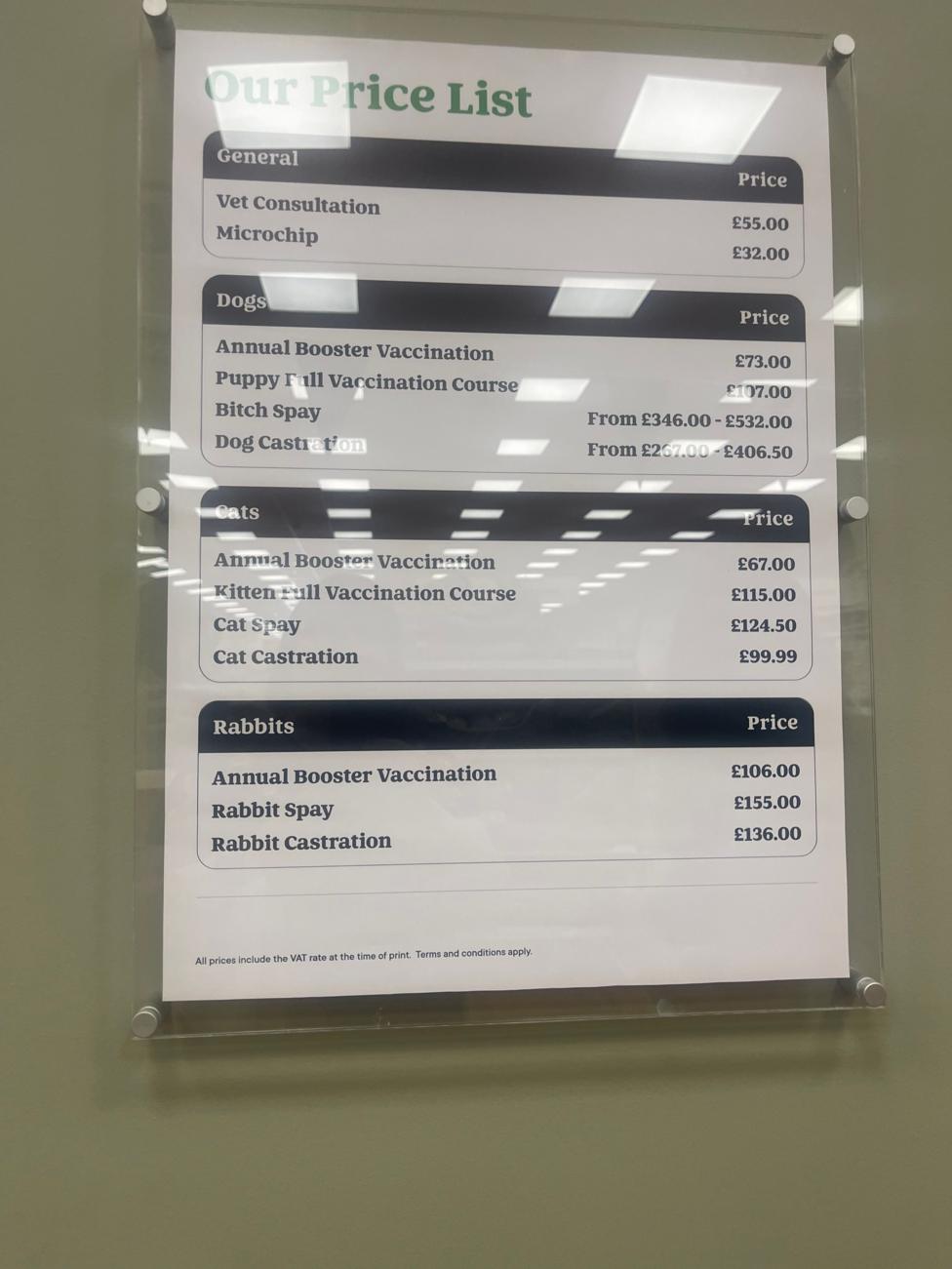
Pets At Home explained that Vets for Pets practices operate as independently owned franchises where owners set their own fees. The company stated that
"Pricing decisions are made locally and vary for many reasons including factors such as operating costs, staffing, facilities and the unique needs of the communities they serve."The company also noted that veterinary practices, like many UK businesses, have faced increased operating costs over the past year, including rises in energy, wages, medicines and essential supplies.

What do consumers think about these pricing variations?
Public attitudes toward variable pricing are increasingly critical. A 2026 survey of 2,000 UK adults found that 65% disliked dynamic pricing and 91% said clear, transparent pricing mattered. In London specifically, 37% said they liked dynamic pricing while 51% disliked it. This concern has prompted regulatory attention: the Competition and Markets Authority says it will continue tackling "drip pricing" and pricing designs that obscure the true cost or distort consumer choice. On 2 November 2026, the government published an open letter reminding online retailers that advertised total prices must include unavoidable fees, taxes and charges.
Looking ahead, technology poses new challenges to price transparency. Research published in 2026 warned that artificial intelligence could use browsing, location and purchase data to estimate an individual's willingness to pay, potentially giving different people different prices for the same product. This development suggests that location-based pricing variations could become even more granular and personalised in future.
How can consumers protect themselves?
Dewdney recommends using price comparison tools strategically. For petrol, she suggests downloading apps like petrolprices.com, which allow users to compare prices while accounting for distance.
"You can look at the distance as well as the price difference so you're not driving too far away. It's not always the nearest one that's worth going to."The broader lesson applies across all sectors: consumers should not assume that identical products or services cost the same at different branches of the same chain or company. Shopping around, comparing prices across locations, and using available tools can reveal significant savings. As Dewdney concluded,
"People have just got to do their research."