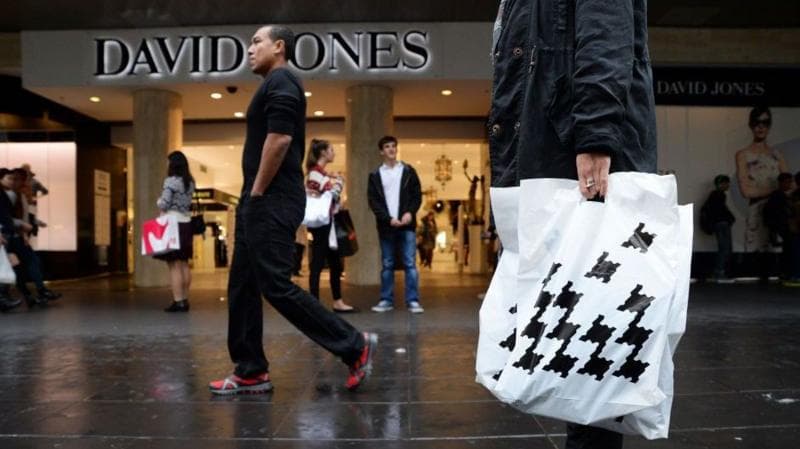
Australia's oldest and most iconic department store chain, David Jones, has entered voluntary administration, threatening the livelihoods of approximately 6,000 employees across its 38 physical locations. The 188-year-old retailer, known colloquially as DJs, has succumbed to years of financial deterioration as traditional brick-and-mortar shopping loses ground to digital commerce and changing consumer habits.
According to BBC News, the company's board voted to pursue voluntary administration after mounting financial pressures became unsustainable. Receivers FTI Consulting and voluntary administrators McGrathNicol will oversee the process while the retailer's physical and online operations continue. The move comes as the department store sector faces unprecedented challenges, with other major retailers also implementing significant restructuring measures.
The collapse represents a watershed moment for Australian retail. David Jones and its owner, Anchorage Capital Partners, rejected each other's proposals in negotiations with Scentre Group, the landlord that owns Westfield shopping centres where 17 of the chain's stores operate. This breakdown in negotiations triggered the administration process.
What Led to the Financial Crisis?
The retailer's financial position had deteriorated sharply in recent years. David Jones reported a $95.5 million loss in 2024–25, compared with a $74 million loss in 2023–24, indicating accelerating decline. The company faced a particularly acute squeeze from its cost structure: its 2025 financial-year lease and rent costs were $125 million, while finance costs were $153 million.
Hours before the board's decision, Scentre Group announced that David Jones had not remitted rent payments for October and was therefore in breach of its tenancy agreement. The landlord noted that David Jones had paid $45 million in rent through September 30 and that landlords held $45 million in bank guarantees for its stores.
Christopher Hill, a representative from receivers FTI Consulting, identified the underlying causes of the crisis:
We understand the current retail trading environment, rising costs, a significant and outdated retail footprint, and supply chain challenges have led to this point.The administration process will provide the company with
breathing spaceand an opportunity to restructure operations.
Suppliers had already begun tightening their terms with the retailer as payment periods lengthened, adding further pressure to cash flow. Outstanding supplier invoices may now be treated as unsecured claims in the administration process.
What Does This Mean for the Iconic Brand?
David Jones held a singular place in Australian consumer culture for nearly two centuries. The chain's trademark black-and-white houndstooth design became synonymous with luxury retail, and its flagship stores in Sydney and Melbourne served as pilgrimage sites for shoppers seeking premium brands and aspirational experiences.
Jana Bowden, a marketing lecturer at Macquarie University's Business School, reflected on the brand's former status:
It was once the epitome of glamour shopping in Australia - the Aussie version of Harrods, a place you would go to see and be a part of the glitz and glamour, where you could marvel at all the premium luxury labels, and feel like you'd made it.
The Christmas window displays in the city stores became legendary attractions, drawing families from across the region.
People would travel from hours away from the city just to see those windows and experience the magic,Bowden explained. However, the brand's appeal had eroded significantly in recent years, particularly in suburban locations.
Bowden observed a stark contrast between the chain's remaining premium outlets and its suburban presence:
The city stores have retained their upper end airs and graces, but the suburban stores leave a lot to be desired – they're mundane, they lack excitement and there's definitely no glitz.This deterioration reflected broader challenges in maintaining a cohesive brand identity across a dispersed store network.
The collapse signals what Bowden characterised as the
death knellfor the traditional department store format in Australia. The sector has faced mounting pressure across the region, with other major retailers implementing significant cost-cutting measures. Earlier restructuring efforts at competing chains have included store closures, job reductions, and service eliminations as the industry adapts to digital competition and changing consumer preferences.
Historical Significance
David Jones' 188-year history encompassed major moments in Australian social and cultural life. During Queen Elizabeth II's first visit to Sydney in 1954, the then-27-year-old monarch attended a banquet dinner on the seventh floor of the Elizabeth Street store, cementing the retailer's status as a destination of national importance.
CEO Erica Berthold acknowledged the company's heritage and the emotional connection many Australians held to the brand:
David Jones is an iconic company and so many Australians have stories and memories of visiting DJ's stores.She indicated that the company retained
a well-developed plan to reset the business for the futureand expressed gratitude to
customers, our team members and our partners for their continued support of David Jones through this period.
What Happens Next?
Under FTI Consulting's receivership, David Jones is expected to be restructured and put up for sale. The administration process will determine which stores remain viable and which locations will close. FTI Consulting was expected to update staff and the public on possible store closures and job losses later in the week following the administration announcement.
The collapse is expected to wipe out Anchorage Capital Partners' investment entirely and cause significant losses for unsecured creditors, including suppliers and other stakeholders. The outcome will depend on whether a buyer emerges for the business or its assets during the administration period.