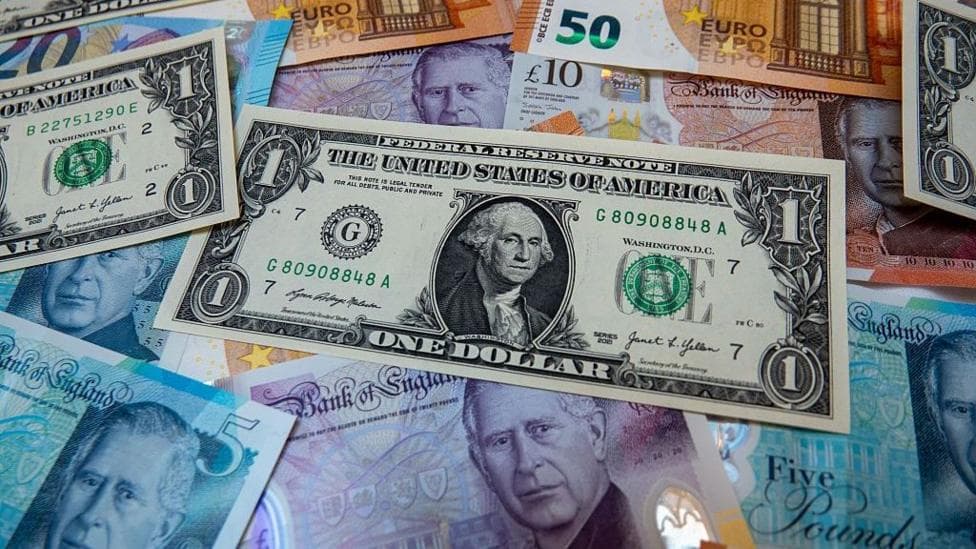
The pound has climbed to its highest level since the Brexit referendum in June 2016, marking a significant recovery for British currency after years of volatility. According to BBC News, sterling has gained notably against the euro and dollar in recent weeks, driven partly by expectations of rising interest rates and improved investor sentiment toward the UK economy.
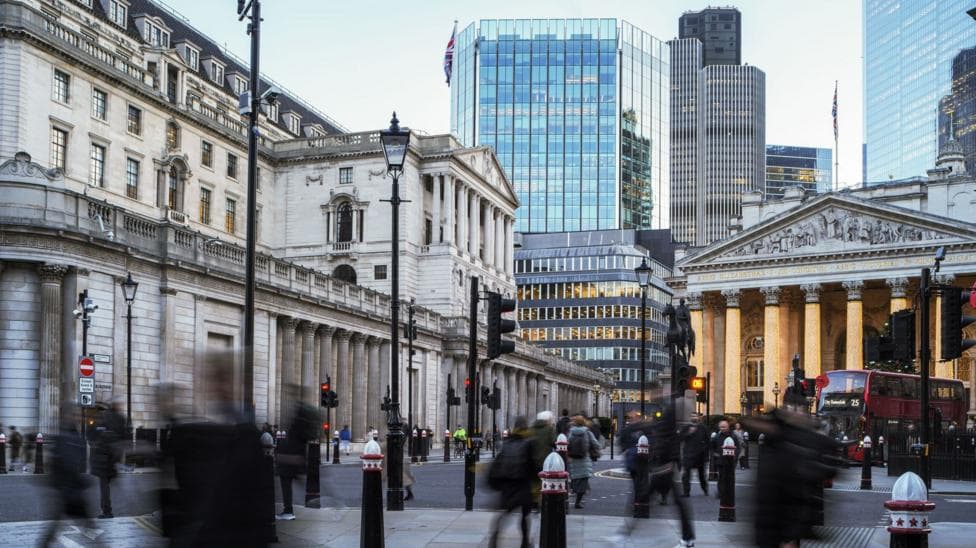
The Bank of England's broad measure of sterling's value against a basket of 18 major world currencies reached 86.4 on an index where 100 represents the 2005 baseline. This represents the joint highest level since the June 2016 referendum, according to Bank of England figures, with official confirmation expected on Thursday. More recently, Reuters reported that on 4 November, sterling rose 0.63% against the dollar to $1.3495, its highest level since 15 September, with the move partly attributed to a weaker dollar following the US midterm elections.
Sterling's trajectory has been marked by sharp declines at critical junctures. The currency fell significantly immediately after the Brexit referendum, experienced further lows during the protracted Brexit negotiations, suffered additional losses during the Covid-19 pandemic, and reached fresh depths during the 2022 mini-Budget crisis. The current recovery reflects a shift in how international markets perceive the UK economy.
Why is the pound strengthening now?
Market participants cite several factors driving sterling's appreciation. Traders noted that the UK is now being viewed more favourably given relative political stability, solid economic growth, and an improving relationship with the European Union. Jim O'Neill, an economist and former Treasury minister, observed:
I'm not surprised. People were, and to a lesser extent, are, underestimating the improving momentum in the UK.
The anticipated rise in interest rates has also supported the pound. The Bank of England's current Bank Rate stands at 3.75%, with UK inflation at 3.5% as of 3 November. The Bank's nine-member Monetary Policy Committee faces a significant decision on interest rates on Thursday, with the first rise in three years widely expected by market observers.
What are the benefits of a stronger pound?
A stronger pound provides tangible advantages for British consumers and the broader economy. It helps reduce inflationary pressures by making imports cheaper and increases purchasing power for households buying foreign goods and booking overseas holidays. These effects come at a time when consumer confidence has been tested by elevated energy and fuel prices.
How is the UK economy performing?
UK economic growth has exceeded expectations so far this year. The International Monetary Fund upgraded its growth forecast for 2026 to 1.3%, reflecting stronger-than-expected economic performance, though it warned of a slowdown to 1.2% in 2027 as energy costs and interest rates continue to bite. Despite this solid near-term performance, households face ongoing headwinds from persistent cost pressures.
What happens next?
The Bank of England is due to publish its November Monetary Policy Summary and MPC minutes at noon on 5 November, alongside its November Monetary Policy Report, including economic analysis and inflation projections. These publications will provide clarity on the Committee's latest thinking regarding interest rates and the economic outlook.