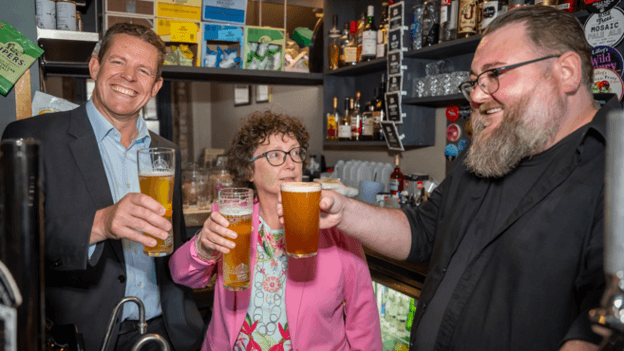
The Welsh government has announced a permanent 30% reduction in business rates for hospitality, accommodation and leisure venues, effective from April 2027. First Minister Rhun ap Iorwerth unveiled the policy during a visit to a pub in Cardiff, describing it as essential support to help these businesses flourish and revitalise communities across Wales.
The tax cut will apply to food-and-drink hospitality venues, visitor accommodation and leisure facilities, according to the Welsh Government's formal announcement. This encompasses pubs, restaurants, cafés, bars, licensed clubs, live music venues, hotels, guest houses, hostels, cinemas, theatres, libraries, museums and gyms. The reduction will replace the existing 15% temporary rate cut currently available to hospitality businesses.
It is about helping businesses like this to thrive, so our communities can thrive, ap Iorwerth said during the announcement.

Who qualifies for the cut?
The 30% reduction targets small and medium-sized enterprises with a rateable value below £51,000. According to the Welsh Government's guidance, eligible properties need a rateable value below £51,000 to qualify for the lower multiplier. This threshold ensures the benefit reaches independent operators and smaller chains rather than large corporate establishments.

How will this be funded?
The Welsh government will fund the cut through an increase in rates paid by businesses with the highest-value properties. The measure is fully funded by expanding the higher multiplier to selected higher-value properties, including some larger hotels and supermarkets. Finance Minister Elin Jones stated that the burden would fall on larger businesses, amounting to approximately 1p in every £1 of rates. This approach ensures no reduction in funding for local authorities, which receive business rates revenue redistributed by the Welsh government.
What do business owners say?
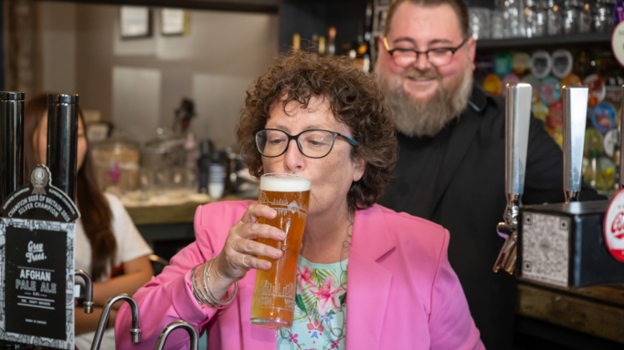
The hospitality sector has cautiously welcomed the announcement, though some operators emphasised the measure alone will not solve all their challenges. Phil Newbould, landlord of Radyr Tap, said the rates cut would be
helpfulfor the industry. However, across his two pubs, he calculated the saving would amount to approximately £3,000 annually, describing it as
not as huge as it sounds.
Newbould highlighted the need for additional support, particularly a reduction in VAT—the rate of which is controlled by the UK government in Westminster. He argued that cutting VAT on hospitality would deliver more substantial cost savings than the business rates reduction.

Oliver Banks, owner of Kindred, a café and wine bar that opened five months ago in Cardiff city centre, expressed optimism about the cut.
Hopefully it can mean that we have a little bit more wiggle room with what we do with our costs on food and drink, but it also means that it's a bit lighter on people, especially in the current climate of things, Banks said. He noted that hospitality is not a sector operated by people with significant personal wealth, and restaurant owners are not
exactly running around in sports cars. Previous cost increases linked to inflation and rising minimum wages had forced prices up for customers, but
there's only so much you can do as a business owner, and you can't put that cost all on to the guests.

UK Hospitality Cymru, the trade body representing the sector, welcomed the announcement but stressed the broader pressures facing businesses. Director David Chapman described the operating environment as similar to
plate spinning when you're riding an exercise bike. He pointed to multiple cost pressures:
You have massive amounts of taxation coming from all areas. We have a VAT problem besides business rates. We also have high inflation in the industry over the last few years. Energy costs have been high. Labour costs have gone up incredibly, really, with the National Insurance changes. And so it's been a very difficult job, a really difficult balancing act to keep going.
Despite these concerns, Chapman welcomed the rates cut as
the beginnings of a change which I hope will permanently enable our businesses to look at growth and to look at further employment, and to start to plan ahead.

How does this compare to England?
In July, the UK government announced a 20% cut in business rates for pubs, social clubs and live music venues in England, also scheduled to take effect from April 2027. Wales' 30% reduction therefore exceeds the English measure. A UK government spokesperson noted that the Chancellor had prioritised support for the hospitality sector by implementing the 20% cut during his first week in office. The spokesperson added that the government's Great British Summer Savings scheme had increased footfall for businesses in these sectors over the summer, benefiting both enterprises and families across the country, including Wales.
What is the government's broader strategy?
First Minister ap Iorwerth framed the cut as delivering on his government's
promise to rebalance the way business rates workto
bring more vibrancy into our high streets. He emphasised the importance of using devolved powers effectively:
We've got to think, what can we do using the powers that we have? What are the most effective things that we can do with our toolkit in Welsh government? And this is something that we're able to do now, bringing this in from April next year, which is the earliest point realistically we can do this. This will make a difference.
The rates cut forms part of a wider restructuring of non-domestic rates in Wales. In December 2025, the Welsh Government announced a broader business-rates support package that included a lower rate for small and medium retail shops and a higher rate for some larger properties, signalling a comprehensive shift in how the rates system operates across the nation.
What happens next?
Regulations will be brought forward in autumn 2026, with approval from the Senedd (Welsh Parliament) required before the new rates can take effect on 1 April 2027. This timeline allows the Welsh government to finalise the legislative framework and consult with stakeholders before implementation.
Key Facts
- The 30% business rates cut applies to hospitality, accommodation and leisure venues with a rateable value below £51,000
- The measure replaces the current 15% temporary rate cut for hospitality businesses
- Funding comes from increased rates on higher-value properties, including some larger hotels and supermarkets
- The cut takes effect on 1 April 2027, subject to Senedd approval of regulations expected in autumn 2026
- Wales' 30% reduction exceeds the 20% cut announced for pubs and live music venues in England