The UK could meet half its oil and gas demand from domestic sources rather than relying on imports if the government provided stronger backing for the sector, according to a new industry report. Offshore Energies UK (OEUK) contends that modifying the windfall tax on energy firms and approving the contentious Rosebank and Jackdaw fields would enable 111 projects to proceed, potentially attracting £50 billion in investment.
North Sea production has been declining, and forecasts indicate that UK domestic supplies will satisfy only roughly one-third of national demand through 2050. The industry body argues that fiscal reform and a pragmatic licensing approach are essential to reverse this trend and strengthen long-term energy security.
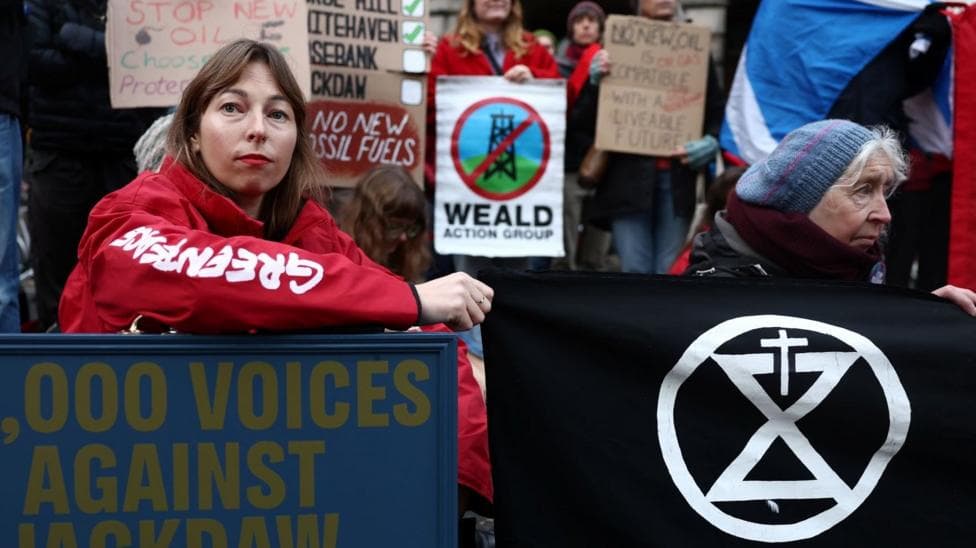
Environmental campaigners have dismissed the report as unrealistic. Uplift, one of the groups that successfully challenged the Rosebank and Jackdaw approvals in Scottish courts on environmental grounds, branded the industry's proposals a "fantasy" and urged the government to disregard what it characterised as "self-interested demands" from oil companies.
What changes does the industry want?
OEUK is calling for two major policy shifts. First, it wants the current Energy Profits Levy (EPL), a windfall tax on oil and gas producers scheduled to end in 2030, to be scrapped by January next year. The proposed replacement, the Oil and Gas Revenue Levy, would only activate when prices surge. The sector has long argued that the EPL significantly deters investment because it remains active even when wholesale prices decline.
Second, the industry is demanding a clear long-term commitment to domestic oil and gas production, which effectively means supporting the Rosebank and Jackdaw developments. Both projects received approval under the previous Conservative administration but were successfully challenged in court on environmental grounds, placing all other potential projects in limbo pending regulatory decisions. According to , the government is expected to decide on Jackdaw on 15 September 2026, with approval likely to end years of legal delays.
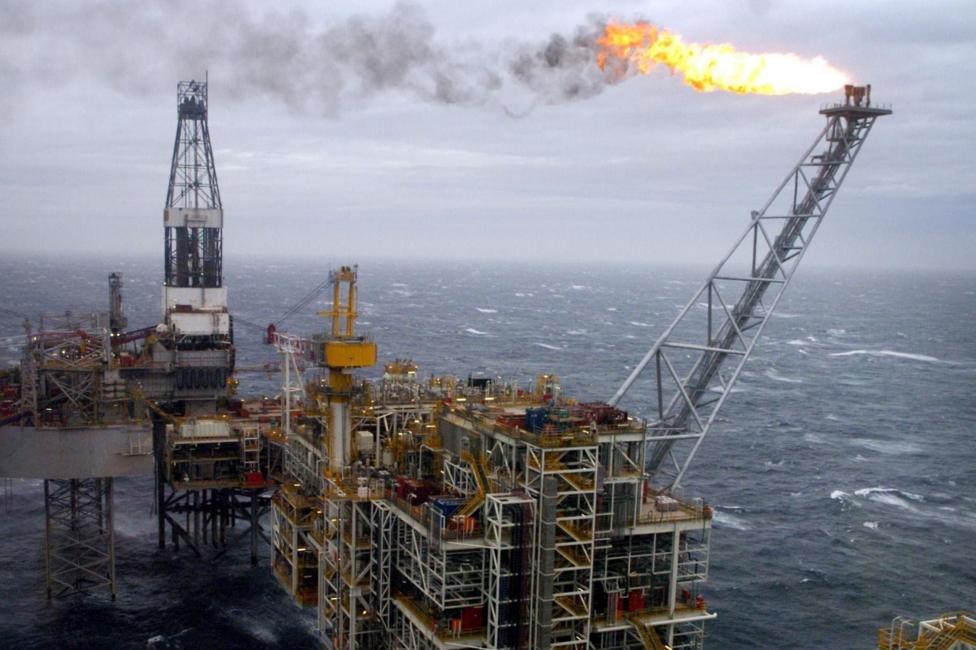
The 111 projects identified in the survey sit mostly within existing licensed areas, though some would represent new phases of established developments. Among these are a second phase of Rosebank, the Cambo field, and Clair South—all located west of Shetland. If approved, Rosebank's peak output would reach approximately 70,000 barrels per day of mainly oil, according to industry sources.
Why has North Sea production fallen?
Last year marked a historic low: not a single exploration well was drilled in the North Sea for the first time since the basin began producing oil and gas. The legal challenges to Rosebank and Jackdaw have effectively frozen the approval process for other projects, creating uncertainty that has discouraged investment. A January 2025 ruling found that consent for both fields had been granted unlawfully, forcing them back through the regulatory process.

The Offshore Petroleum Regulator for Environment and Decommissioning completed consultations on both projects in August 2026, with the regulator still assessing whether they meet environmental and regulatory requirements before making recommendations to the Secretary of State. Combined anticipated investment for Rosebank and Jackdaw stands at £10.8 billion, with more than three-quarters expected to be spent within the UK, according to industry analysis.
What are the employment and energy security arguments?
OEUK reported that the oil and gas industry supported 180,000 jobs across the UK in 2024. The organisation argues that boosting domestic energy production is vital for
protecting households, businesses and the wider economy from global shocks. Policy Director Enrique Cornejo stated:
Britain is at a critical juncture. Our industry is ready to invest and deliver more homegrown oil and gas, but the window for action is narrowing. Without urgent policy decisions, the UK risks increasing its dependence on imports, losing high-value jobs.
The report emphasises that domestic production would reduce reliance on imported oil and gas, which have increased as North Sea output has declined. However, the UK Labour government has banned the issuing of new exploration licences in UK waters, signalling a different policy direction from the previous administration.
What do environmental groups say?
Uplift's Director Tessa Khan rejected the industry's energy security argument, stating:
The UK has burned most of its gas and what's left is mostly oil, the vast majority of which is exported and sold on international markets. New drilling will do nothing to bring down bills and little for energy security. The science is clear that the world already has far more oil and gas than can ever be safely burned if we are to limit warming.
Uplift characterised the North Sea as an
ultra-maturebasin with very limited reserves remaining. The group also criticised the government for considering the industry's proposals, urging ministers instead to focus on communities affected by environmental disasters such as summer wildfires.
What is the government's position?
A UK government spokesperson said:
We're giving the sector and its investors the long-term certainty to plan, invest and support jobs with plans to replace the EPL when it ends by 2030, or earlier if its price floor is triggered. We are also making sure the North Sea has a prosperous and sustainable future through record investment that helps deliver the next generation of skilled jobs while growing the clean energy industries of the future.
This statement suggests the government is open to fiscal reform while maintaining its commitment to clean energy development. The timing of decisions on Rosebank and Jackdaw will be crucial in signalling the administration's actual stance on North Sea expansion.
What happens next?
The government is expected to make a decision on the Jackdaw field on 15 September 2026, which would represent a significant milestone after years of legal delays. Rosebank's final decision is anticipated later in 2026, with ministers still weighing approval. Both decisions will determine whether the industry's vision of unlocking over 100 new projects can materialise, or whether environmental and policy constraints will continue to limit North Sea development.