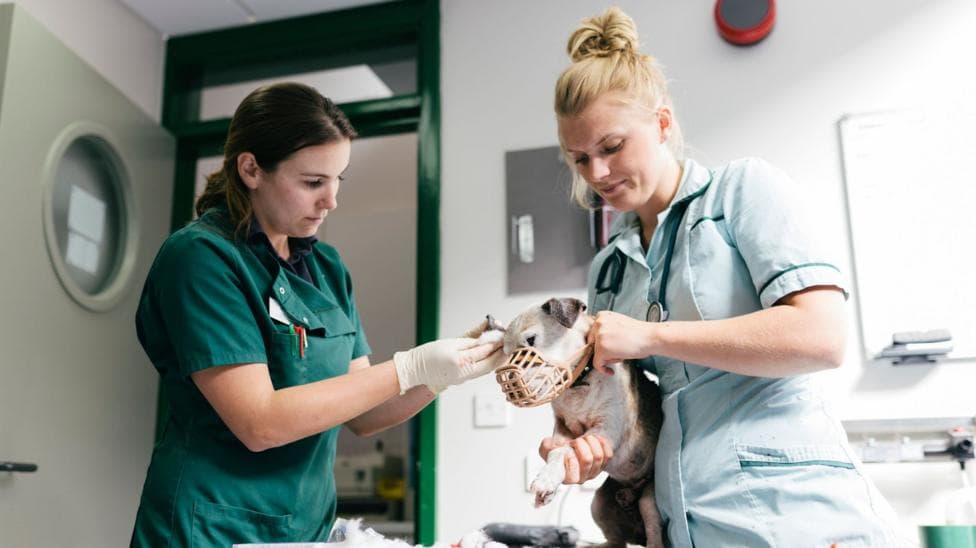
Written prescription fees from veterinary practices will be capped at £21 for the first medicine and £12.50 for each additional medicine supplied during the same consultation, under sweeping regulatory changes that practices must implement over the coming months. The Competition and Markets Authority (CMA) has made these remedies legally binding as of 23 September 2026, following an investigation that found veterinary prices had been rising at nearly twice the rate of inflation.
Veterinary businesses must also inform clients when cheaper medicines are available online, provide written price estimates before treatment begins, and publish comprehensive price lists for services. The fee caps will be adjusted annually in line with inflation using the Consumer Price Index and are inclusive of VAT.
The CMA's final report, published on 24 March 2026, introduced a phased implementation schedule. Larger veterinary businesses will generally have three months to implement many remedies, while smaller businesses receive six months; for other requirements, larger businesses have nine months and smaller businesses 12 months. According to , prescription fees at many practices had previously exceeded £30 before the cap came into force.
However, critics argue the measures will disproportionately affect independent veterinary practices and benefit the six firms that own more than two-thirds of the sector. Cate Titterton, owner of an independent vet service in Saltburn, expressed concern that the restrictions on pharmacy profits will force practices to raise prices elsewhere.

Veterinary practices still have to have a pharmacy that is fully stocked, so if we're not making that tiny profit on the drugs, we're going to have to make some profit elsewhere. So, things like services, consultations, surgeries – unfortunately, those prices are very, very likely to have to go up.
Titterton believes there is
one clear winnerfrom these changes: larger vet groups and corporate chains.
What are the full scope of the new requirements?
The remedies extend well beyond prescription fee caps. Veterinary practices must now publish a comprehensive price list for standard services, including consultations, common procedures, and cremation options. Any treatment expected to cost £500 or more must be preceded by a written estimate that includes aftercare costs and an itemised bill, with emergencies as the only exception to this requirement.

Vet businesses must also clearly disclose whether they operate as part of a larger group or as an independent practice. To help pet owners compare local providers, price and ownership information will be made available through the Royal College of Veterinary Surgeons' Find a Vet service, which will share data with third-party comparison sites. According to the government's summary of the CMA's final decision, these reforms are designed to give pet owners access to price comparison tools as part of a broader effort to address pricing concerns in the sector.
How do industry leaders view the changes?
Martin Coleman, the CMA panel chair, stated that
the changes that are being required are changes that will help inform pet owners about prices.
Dr Rob Williams, President of the British Veterinary Association, acknowledged that many practices were already largely complying with the CMA's requirements, including those relating to complaints handling, price estimates for routine procedures, and prescription costs. However, he emphasised that
we've been clear with the CMA throughout its investigation that it must ensure its remedies do not disproportionately impact smaller, independent practices and we've pushed back where we've had concerns.
What prompted the CMA investigation?
The CMA launched its investigation into veterinary services after identifying significant concerns about pricing transparency and market competition. The watchdog found that prices in the sector had been climbing at nearly double the rate of general inflation, suggesting a lack of competitive pressure on fees.
Pet owners have reported frustration with pricing practices. Clive Di Giorgio contacted the CMA's consultation process after being quoted thousands of pounds for treatment following a diagnosis he later discovered was incorrect. He says a vet initially told him that a rash on his dog Louis' back was
definitelya sign of cancer.
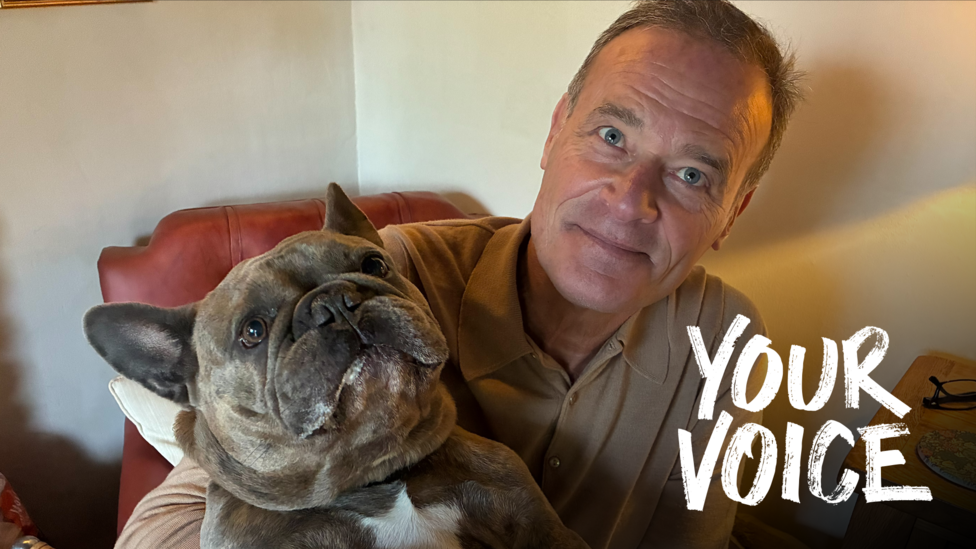
After seeking a second opinion at a different practice, Di Giorgio was informed the rash was not cancerous. A course of steroids, antibiotics, and a spray resolved the condition within two weeks.
You just don't feel as if when you go to the vets now they're interested in the animal. You feel as if all the interest is how much money they can basically squeeze from you.
When will the changes take effect?
All remedies are scheduled to be in place by 23 September 2026, with most taking effect over a three- to 12-month rollout following the Order date. According to , larger veterinary businesses will face earlier compliance deadlines than smaller businesses for many of the remedies, reflecting the CMA's intention to ease the burden on independent practitioners.
The specific timelines for implementation depend on the exact regulation and the size of the veterinary business, with detailed guidance available through official veterinary-business implementation steps published by the government.
Key Facts
- Prescription fees are capped at £21 for the first medicine and £12.50 for each additional medicine in the same consultation, with annual inflation adjustments
- Veterinary practices must publish comprehensive price lists and provide written estimates for treatments costing £500 or more
- Larger businesses have three to nine months to comply with most remedies; smaller businesses have six to 12 months
- Price and ownership information will be available through the Royal College of Veterinary Surgeons' Find a Vet service and third-party comparison sites
- The CMA found veterinary prices had been rising at nearly twice the rate of inflation before these changes were introduced