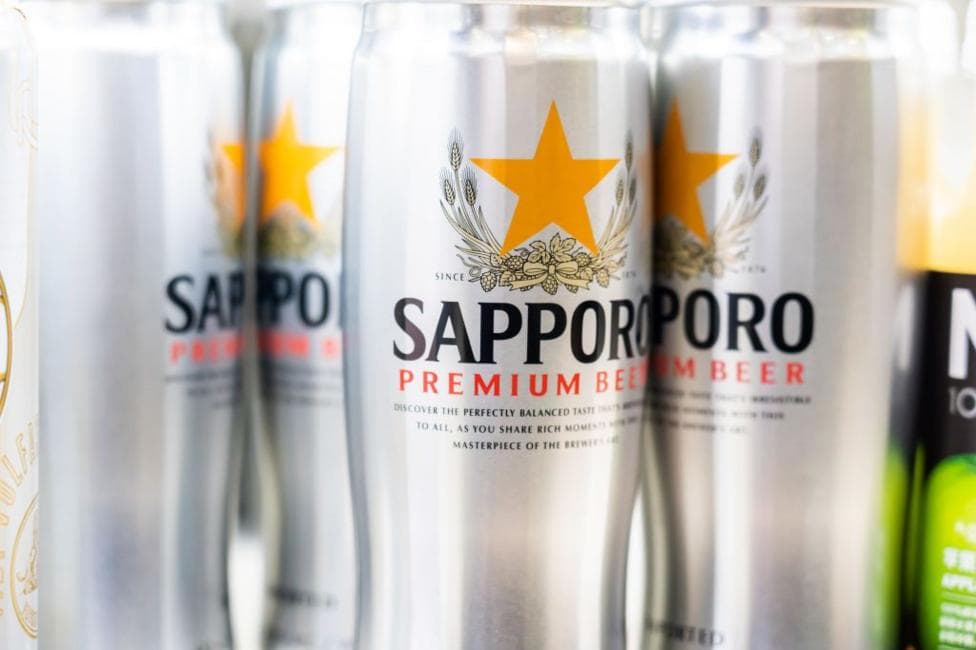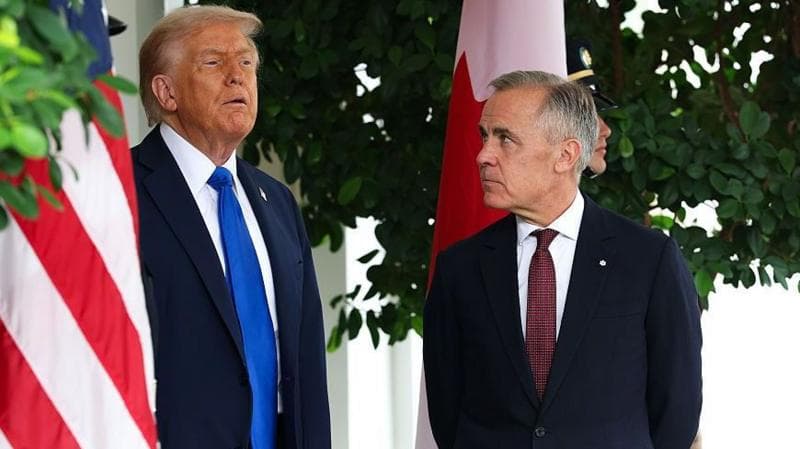
The United States is implementing a comprehensive import ban on Canadian products including alcohol, dairy, and motor vehicles, marking a major escalation in the ongoing trade dispute between the two nations. President Donald Trump issued a series of executive orders on Tuesday asserting that "Canada is discriminating in fact against the commerce of the United States," with the ban set to take effect on 29 September.
The move comes as Canadian retaliatory tariffs on American goods took effect just after midnight on 8 September, intensifying the standoff. According to , Ottawa's counter-tariffs cover approximately C$27.6 billion in U.S. imports across three duty levels: 15%, 25%, and 50%.
Canadian Prime Minister Mark Carney acknowledged the economic toll in a video address on Tuesday, stating that his country's strategic pivot away from the US as its primary trading partner "will come at a cost". The retaliation targets sectors including steel, dairy, appliances, agricultural equipment, pulp and paper, and electronics, according to Canada's Department of Finance.

The current dispute represents a continuation of tensions that have been building for months. reported that the U.S. measures cover approximately $20 billion in Canadian goods and were characterized as matching Washington's latest duties on a dollar-for-dollar basis.
How did the trade conflict reach this point?
The escalation began when the White House imposed 50% tariffs on roughly $20 billion of Canadian goods after multiple rounds of negotiations broke down in late August. Canada responded with its own retaliatory tariffs, which took effect on 8 September. Both nations have indicated a willingness to negotiate, but no new talks have been scheduled since the collapse of discussions in late August.
What tensions exist beyond tariffs?
The dispute has extended into non-trade matters. In August, Trump ordered Lake Ontario to be renamed as Lake America, a decision that provoked significant backlash from Canadian officials and some American observers.
What happens next?
Canada's counter-tariffs are already in force as of 8 September, while the U.S. import ban on Canadian products is scheduled to commence on 29 September. Officials from both countries have expressed interest in reaching a settlement, though the absence of scheduled negotiations suggests resolution remains uncertain in the near term.
Key Facts
- The U.S. import ban targets alcohol, dairy, and motor vehicles, effective 29 September
- Canada's retaliatory tariffs covering C$27.6 billion in U.S. goods took effect on 8 September with rates of 15%, 25%, and 50%
- Trade negotiations between the two nations collapsed in late August with no new talks currently scheduled
- The dispute extends beyond tariffs, including Trump's August order to rename Lake Ontario as Lake America