Canada's counter-tariffs on American goods entered into force at 12:01 a.m. on 8 September 2026, marking an escalation in the trade dispute between the two countries with no resolution in sight. The levies will apply to nearly C$28 billion ($20 billion; £15 billion) worth of US products, ranging from steel to furniture to cotton T-shirts, with rates reaching as high as 50%. The move came after negotiations between the two nations collapsed in late August, leaving both sides at an impasse despite stated willingness to reach a settlement.
According to Canada's finance department, the published countermeasure list covers 874 tariff items and approximately C$27.6 billion in US imports. The Canadian government structured the matching tariffs to apply only to goods originating from the US and set rates tied to the corresponding US tariff level.
Fresh fish and lobster initially appeared on Canada's retaliation list but were subsequently removed after the seafood industry raised concerns about unintended damage to its own economy. The lobster sector in both nations is heavily interdependent, with American-caught lobster frequently sent north for processing before being shipped back to the US for sale. This decision illustrated the delicate balancing act Canada must perform when retaliating against its largest trading partner.
Prime Minister Mark Carney stated last week that Canada remains open to negotiations.
We're ready to sit down and strike that deal when the Americans are ready,Carney told reporters, emphasizing that any agreement must be
durableand serve the interests of both countries.
US Trade Representative Jamieson Greer countered that responsibility for resuming talks rests with Canada.
We offered them the best deal, they looked at it square in the face and turned around,Greer stated in an interview with Fox News, noting that communication between the two sides has been sparse since negotiations broke down. In a separate interview with a national broadcaster, Greer warned against further retaliation and suggested the US might respond by banning imports of certain Canadian products.
What products face the new tariffs?
According to Canada's finance department, the counter-tariffs target sectors including steel, dairy, appliances, agricultural equipment, pulp and paper, and electronics. American milk, golf clubs, steel and aluminium, along with certain clothing items such as jackets and T-shirts, will face 50% tariffs. Cheese, toilet paper and certain household appliances including air conditioners will be subject to 25% tariffs, while forklift trucks and industrial moulds will incur 15% tariffs.
These new levies supplement existing retaliatory taxes Canada had already imposed on finished American cars and trucks that fail to comply with the USMCA (known as CUSMA in Canada), the free trade agreement binding the three North American nations.
The US currently maintains a 25% tax on Canadian cars and trucks, along with taxes on Canadian steel, aluminium and lumber. In late August, President Donald Trump imposed new 50% tariffs on other goods including dairy, alcohol, hockey sticks and perfume.

How did the trade dispute reach this point?
The current conflict stems from the collapse of trade negotiations in late August. According to Canada's finance department, the tariffs were a response to the US imposing 50% tariffs on C$27.6 billion of Canadian goods effective 22 August 2026. The breakdown in talks occurred after last-minute demands from the American side, leaving both nations in a state of mutual recrimination.
Canada and the US share the world's largest bilateral trading relationship, valued at nearly $900 billion in 2025. The escalating tariff regime now threatens to disrupt this deeply integrated economic partnership, with businesses on both sides scrambling to adjust to the new landscape.
What are the broader economic implications?
Economists have warned that Canada's latest counter-tariffs will raise prices for consumers on everyday goods including clothing, food and furniture. The Canadian Chamber of Commerce urged the Carney government to adopt a targeted approach to retaliation.
Businesses understand retaliation but don't want to see endless escalation,said the Chamber's CEO and President Candace Laing in a statement, though she added that businesses
are preparing for this trade dispute to last.
Public opinion in Canada appears to support the government's response. Polls suggest the majority of Canadians back their country imposing retaliatory tariffs on the US.
Before the latest tariffs took effect, Canada's economy had demonstrated resilience. The nation's GDP grew 3.3% in the second quarter, and it had gained 181,000 jobs from April to July. However, around 41,000 jobs were lost in August, a period that coincided with the new US tariffs on Canada and the collapse in trade talks. Manufacturing was one sector that saw modest growth during this period, a gain the Canadian government attributes to consumers and businesses purchasing more domestically produced goods.
What role has President Trump played in escalating tensions?
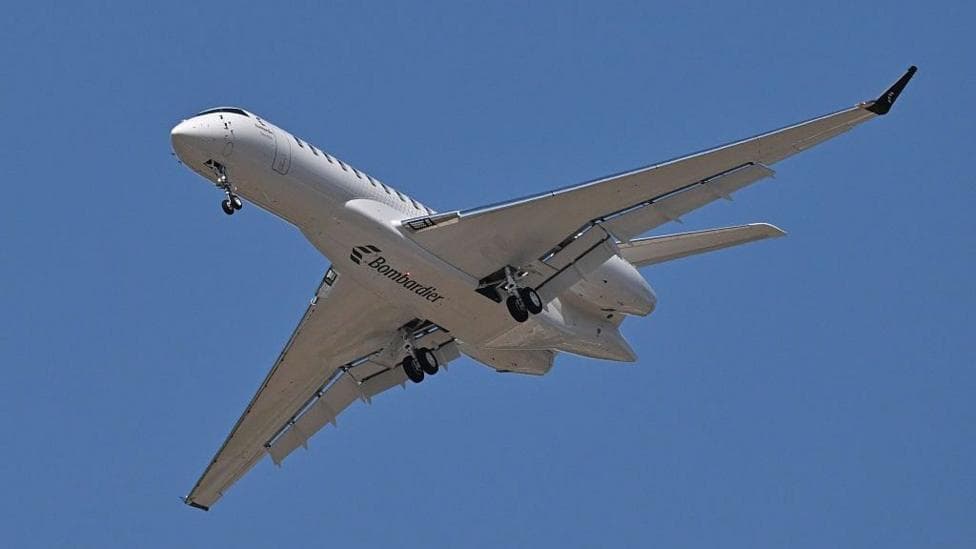
President Trump has taken an increasingly aggressive stance toward Canada in recent weeks. On 7 September 2026, Trump publicly threatened to block aerospace manufacturer Bombardier from selling aircraft in the United States unless it relocates its manufacturing operations south of the border. According to a national broadcaster's report, the threat targeted one of Canada's largest companies, which contributed over C$7 billion to Canada's annual GDP in 2024 according to accounting firm PwC.
Trump has also made broader provocative statements about North America. Over the weekend, he posted on Truth Social that Canada's exchange rate with the US was
unacceptable. Another post displayed a map of North America overlaid with the US flag, encompassing Canada, Mexico and Greenland—a reference to his previously stated interest in acquiring Greenland.
Is Canada seeking to reduce its dependence on US trade?
Carney has indicated that Canada intends to diversify its trade away from the US. July figures show the share of US-bound Canadian exports dropped to 66% from an average of 75% before the trade war began, suggesting that some reorientation of trade flows is already underway. This shift reflects both deliberate policy choices and market responses to the tariff environment.
What happens next?
Canada's counter-tariff schedule entered into force on 8 September 2026 at 12:01 a.m., with no formal announcement of a new negotiation date from either side. Both governments have expressed openness to a deal, but the gap between their positions remains wide. The coming weeks will determine whether the two nations can find a path back to the negotiating table or whether the trade war continues to deepen, with further tariff escalations and economic damage on both sides of the border.