Destiny McGowan graduated from Nottingham Trent University in July with a degree in content creation, and she is convinced the investment was worthwhile. The 21-year-old studied how to produce videos and posts for Instagram, TikTok and YouTube, alongside business fundamentals including audience building, brand partnerships and content monetisation.
Though she declines to specify her earnings, McGowan is already generating income. Beyond posting fashion content on her own accounts, she creates videos for clients and works as a TikTok live selling host, presenting products directly to viewers. She credits the course with providing access to professional equipment, technology and industry connections that would have taken years to build independently.
"The incredible people I've met through panels that the university hosted would take someone five to 10 years to get to that place,"she explains, highlighting the networking value alongside the technical skills she acquired.
Is a content creation degree becoming mainstream?
Universities across the UK and North America have rapidly expanded their offerings in this field. Nottingham Trent launched its content creation degree in 2022, and the University of Brighton now teaches students to create
"content that cuts through the noise."In the United States, Arizona State University markets its equivalent qualification as enabling students to
"turn your creativity into content that connects with audiences."
The expansion continues. According to Arts University Plymouth, a BA (Hons) Content Creation degree launches in September 2026 with clearing places available, while the University of Buckingham is advertising a two-year BA (Hons) Content Creation, Digital Media and Journalism degree with a next intake on 28 September 2026. The field has also expanded into postgraduate study, with Queen Margaret University offering an MSc in Digital Campaigning and Content Creation.
What is the financial commitment?
The cost is substantial. Nottingham Trent's three-year degree currently charges £9,790 annually for UK students, totalling approximately £29,370 over the full programme. The University of Brighton charges the same rate, while Arizona State University costs $14,724 (£11,000) per year for in-state residents. According to university listings, Nottingham Trent's content creation degree is now advertised at £18,700 for the 2026 intake, representing a significant increase from the original fee structure.
Do established content creators see the value?
Opinion among working professionals is divided. Knightenator, a UK-based full-time content creator who has been posting gaming and travel videos since 2015, expresses scepticism about the return on investment. The 31-year-old, who withholds her real name, has built an audience of 65,000 followers on Twitch and more than 100,000 on TikTok, generating income primarily through brand partnership deals.
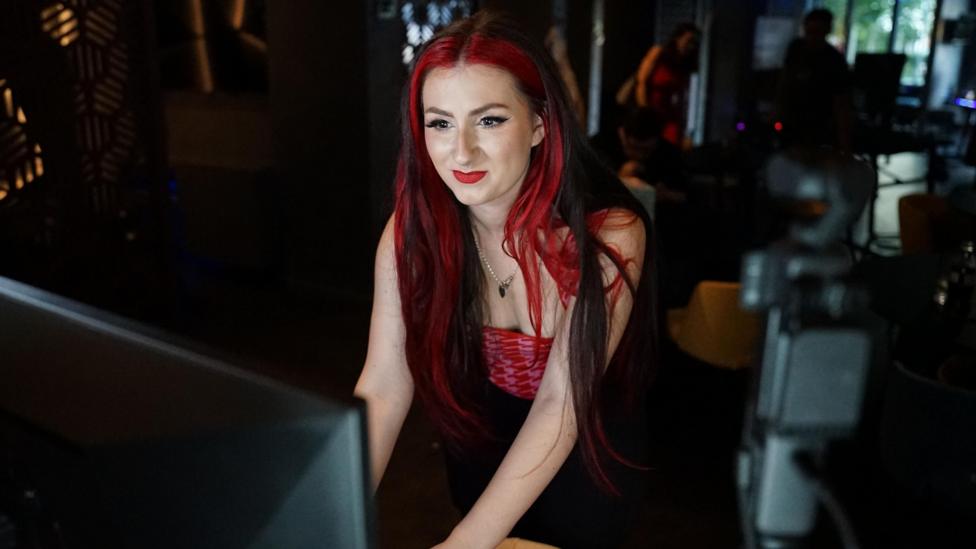
"Honestly, from my experience, I don't think companies would care too much if you had a content creator degree,"she states. She points to the abundance of free online resources available to aspiring creators and questions whether a three-year commitment is necessary.
"If you have the drive to want to become a content creator, the tips are out there, and you don't need to commit to a three-year degree."Her recommendation is to study existing content, identify an underserved niche and begin creating immediately.

Aiesha Beasley, a 36-year-old content creator based in Phoenix, Arizona who produces food, fashion and lifestyle material, takes the opposite view. She began blogging on Tumblr in the early 2010s and believes a formal degree would have accelerated her path to monetisation.

"You really do have to have a business mindset on: how can I transition this from a hobby into something that makes me money?"she explains. Beasley sees such degrees as forward-thinking recognition that content creation has become integral to modern marketing and personal branding.
"Now you have to have a digital presence,"she adds,
"whether you are a business owner or an entrepreneur or building a personal brand."
How large is the content creator economy?
The sector has grown substantially. YouTube content creators alone contribute £2.2bn to the UK economy according to research published last year. Demand for these skills appears strong: one in three people aged 18 to 30 in the United States wish to become an influencer, according to a 2024 survey.
What do universities say about their courses?
Jacky Gurr, course leader and senior lecturer for content creation at Nottingham Trent University, emphasises that content creation is a professional skill increasingly required across multiple employment models.
"Those skills absolutely can be taught. Students learn how to plan and produce video content, develop campaigns, understand audiences, analyse performance data and adapt strategies based on that data."
Gurr notes that most students on the course are not aspiring to become influencers but rather seeking transferable professional capabilities applicable to in-house roles, agency positions, freelance work or business ownership. The curriculum includes substantial focus on the commercial aspects of the industry, covering monetisation strategies and business fundamentals.
The University of Brighton describes its content creation BA as preparing graduates for roles including social media manager, content editor, video editor, content strategist and podcast producer, with places still available for 2026 entry. Similarly, Arts University Plymouth positions its new degree as designed for students aiming to work for brands, agencies and organisations, or to build freelance practices and personal brands.
What is the realistic outlook for graduates?
Gurr offers a cautionary note for anyone expecting rapid success as an influencer:
"So much of being a successful influencer is about luck, and we can't teach luck or personality."This distinction between teaching professional content creation skills and guaranteeing influencer status is crucial. The degree equips students with production, strategy and analytics capabilities applicable across industries, rather than a guaranteed pathway to social media fame.
The expansion of these programmes reflects genuine demand from employers for digital content skills, yet prospective students should recognise that a degree provides professional training rather than a shortcut to viral success or guaranteed earnings.
What happens next for prospective students?
Multiple universities have upcoming intakes. Arts University Plymouth is accepting clearing applications for September 2026 entry, while the University of Buckingham's two-year programme begins on 28 September 2026. For postgraduate study, Queen Margaret University's MSc in Digital Campaigning and Content Creation has a January 2027 start date available for home students. Shorter alternatives also exist, such as Robert Gordon University's Influencer Marketing short course, available for £1,080.