The UK government is in active negotiations with US authorities to prevent a potential ban on diesel exports, Chancellor John Healey has revealed. The country is simultaneously preparing contingency measures in case the restriction proceeds, including drawing on domestic fuel reserves.
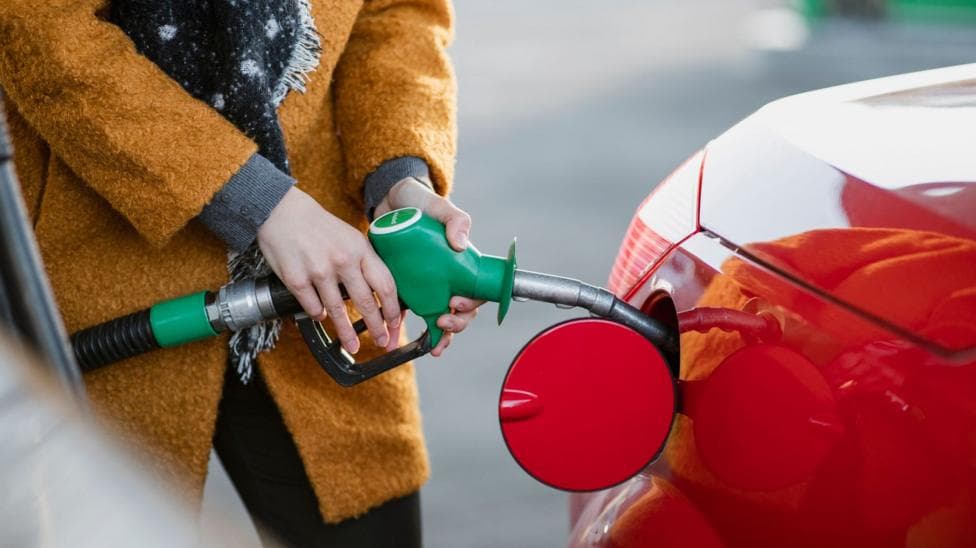
Diesel prices in the UK reached an unprecedented level on Monday, driven by global supply constraints stemming from the US-Israel conflict with Iran and Russia's ongoing war in Ukraine. The average price for a litre of diesel climbed to 199.18p according to the RAC motoring organisation, exceeding the previous record of 199.09p set in June 2022 following Russia's full-scale invasion of Ukraine.
US President Donald Trump has publicly signalled his intention to restrict diesel shipments abroad.
We're thinking about it very seriously,Trump stated at the weekend. According to , Trump had already backed the concept of a ban on 22 September, with US Treasury Secretary Scott Bessent indicating the administration was examining whether a full or partial restriction would be feasible.
Healey acknowledged that UK diesel costs have reached
extremelevels and confirmed the government was engaged in discussions with American counterparts.
We're also making the provision that we may need to and we have our own stocks in the UK,he said. Speaking at the Labour Party Conference in Liverpool, Healey emphasised the importance of diplomatic solutions:
We work very closely with the Americans. In the end, we're also working with the Americans where we can try and put in place what will solve this, or at least significantly ease it, which would be a diplomatic settlement [and] an end to the fighting with Iran.
How dependent is the UK on American diesel?
Britain's reliance on US diesel supplies creates significant vulnerability to any export restrictions. The UK receives approximately a third of its diesel imports from the United States, making it particularly exposed to such a policy shift. According to market estimates, the figure stands at around 35.5 per cent of total diesel imports. Other reporting suggests the UK imports approximately 50,000 barrels per day from the US, representing about 26 per cent of its diesel consumption, according to Euronews.
A ban would intensify upward pressure on already elevated prices. Petrol costs are also climbing, with a litre currently priced at 174.13p. The RAC warned that diesel prices have entered
uncharted territoryand highlighted
just how exposed the UK is to events occurring far away.
Why is Trump considering this measure?
US sources indicate that Trump is weighing the ban as a strategy to reduce domestic fuel prices ahead of critical midterm elections. reported that US diesel prices have reached record highs, and Republican candidates in some of the tightest November races are calling for the export ban as a mechanism to control fuel costs for American consumers.

What is driving global fuel price increases?
Over the past seven months, the conflict between Iran and the US-led coalition has severely disrupted oil production and transportation networks across the Middle East. This regional instability has caused wholesale oil prices to surge, pushing up the cost of all fuels derived from crude oil. The situation has compounded existing pressures from Russia's invasion of Ukraine, which continues to affect global energy markets.
What is the UK government's response?
Healey stated he was acutely conscious of cost-of-living pressures as he prepares what he termed a
breathing spaceBudget scheduled for 28 October. A freeze on fuel duty, originally introduced by the previous Conservative administration in 2022, is set to expire at the end of the year. Duty is scheduled to rise by 3p in January and a further 2p in March, which would add to household and business expenses.
Fundamentally, what we need is a settlement in the Middle East. We need an easing of the pressure of costs on business, the costs on households and on ordinary families that we see at the pumps in the most extreme level today for diesel,Healey said.
The UK government has stated that forecourts are continuing to be supplied normally and that the country maintains a diverse and resilient fuel supply network. However, UK ministers have warned that a potential US diesel export ban would represent a
significant concernfor Britain.
What are the international implications?
The proposed ban affects not only Britain but the wider European market. The European Commission has indicated that high-level contacts with the US administration are ongoing as Europe assesses the potential impact of the restriction on fuel availability and pricing across the continent.
What happens next?
The US administration is still evaluating whether a full or partial ban would be workable, with no final decision yet announced. An alternative approach is also under consideration: the administration is exploring the possibility of a voluntary reduction in diesel exports rather than an outright prohibition, according to reporting on discussions between the US Energy Secretary and refiners about potential voluntary export restrictions.
Key Facts:
- UK diesel prices reached 199.18p per litre on Monday, surpassing the previous record set in June 2022
- The UK sources approximately one-third of its diesel imports from the United States
- Trump has publicly backed the concept of a diesel export ban, with the administration still assessing full versus partial restrictions
- Global fuel prices are being driven higher by disruptions from the Iran conflict and Russia's war in Ukraine
- A fuel duty freeze expires at the end of the year, with increases scheduled for January and March