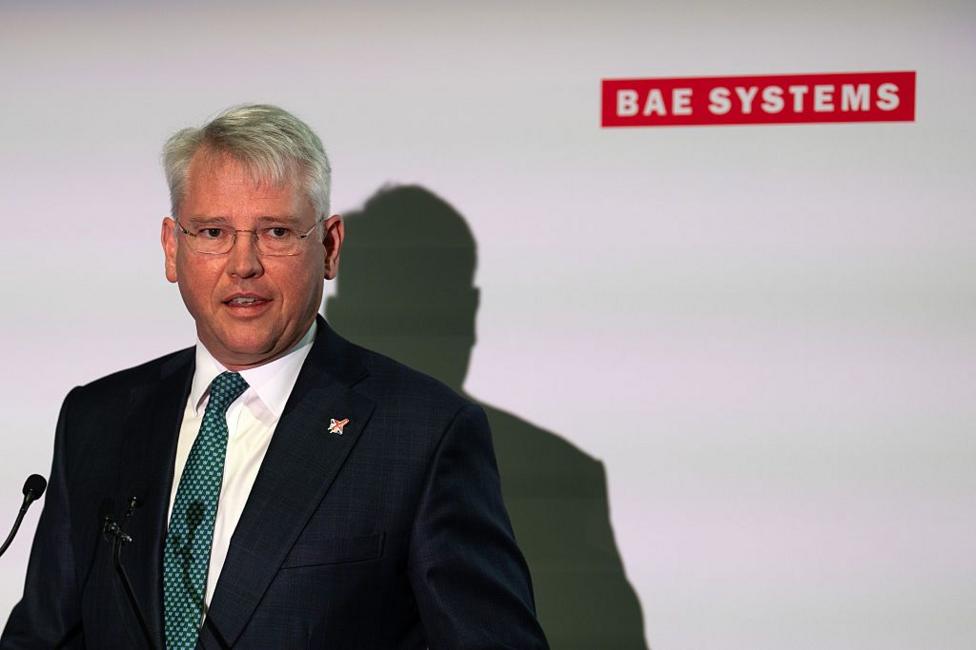
The UK has been too complacent about the risk of foreign attack, the boss of Europe's biggest defence contractor BAE Systems has warned. Dr Charles Woodburn told the BBC in an exclusive interview that the level of threat was the highest he'd seen in his lifetime.
He welcomed the recent boost to defence spending but said much more would be needed to hit the government's commitment to spend 3.5% of GDP on defence by 2035. He also warned we were not far from the use of autonomous lethal weapons by countries that may not follow the UK's policy of maintaining human control.
In a rare interview, Woodburn told the BBC the reality of modern warfare had "changed quite profoundly" and that UK defence spending had to change with it.
He said Russia and Ukraine had become "incredibly adept" at using autonomy in the form of drones and counter drones.
"It's something that we now have to really understand and make sure that we're able to provide the capabilities that can counter that and deter aggression," he said.
BAE Systems unveiled a life-size model of an unmanned fighter jet in front of the new defence secretary Wes Streeting at the Farnborough International Air Show.
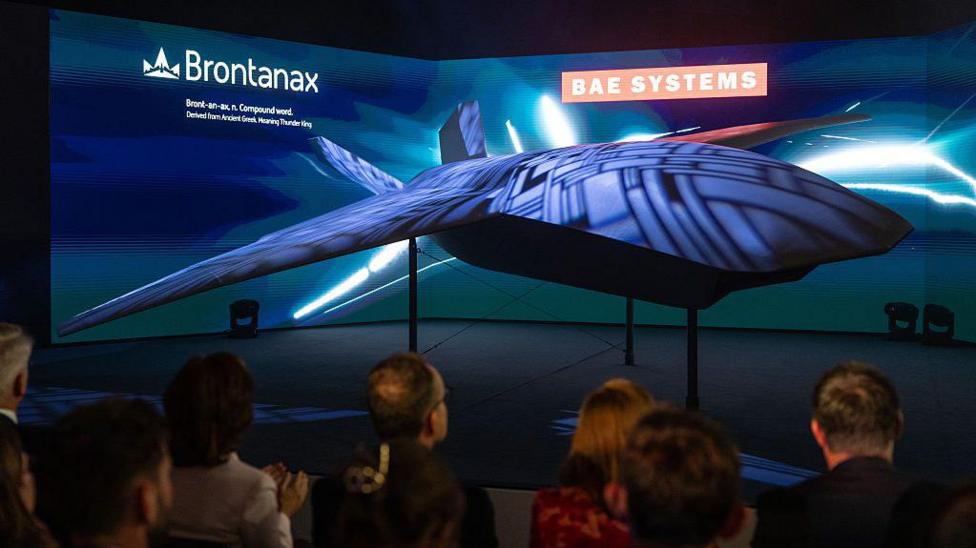
Four of these so-called Collaborative Combat Aircraft will accompany a manned fighter to massively increase firepower but at just 20% of the cost of a piloted aircraft.
However, Woodburn said there was still a role for the traditional battleships and submarines that BAE has been manufacturing for decades.
"If you look at what our adversaries are building, they're also building significantly large platforms - aircraft, ships, submarines. And they're supplemented by some of these unmanned capabilities." It is the combination of the two that has the "winning" formula, he said.
It is hardly surprising that the boss of a defence company would like to see more defence spending. But Woodburn said the UK had been complacent for some time about the level of threat it faced - particularly from Russia.
"This is by far the most threatening time I've seen," he said. "Even when I joined the company in 2016 I was amazed at what we saw Russian submarines doing, the cyber attacks. I think that's come a long way sadly as a result of the Ukraine conflict we're much more aware of the proximity of a hot war in Europe."
The war readiness of the UK's armed forces has been questioned by senior armed services figures and openly mocked by the US general Sir Gwyn Jenkins, the First Sea Lord, recently said the navy is not ready for war.
Pete Hegseth, the US War Secretary sarcastically referred to the "big bad Royal Navy" while President Donald Trump described the UK's aircraft carriers as "toys".
That impression was not helped by the tardiness of mobilising the destroyer HMS Dragon – built by BAE - to provide air cover for Cyprus against Iranian and Hezbollah threats.
Woodburn insisted the company had responded as soon as the Ministry of Defence had asked for its help.
He said BAE gets "things in place as quickly as we're able to but at the end of the day you need a signal to move".
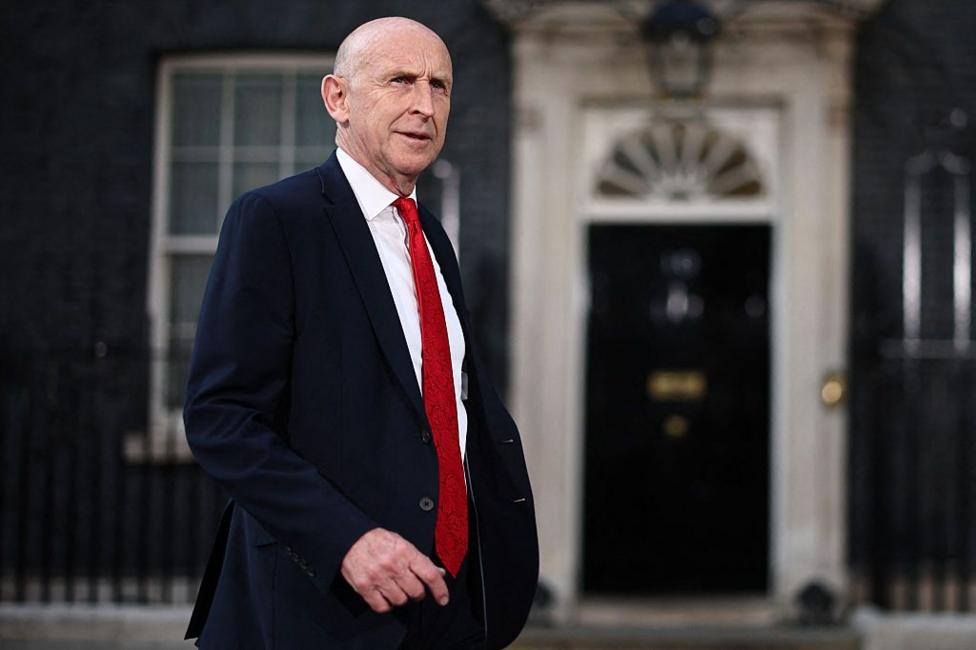
Woodburn welcomed the promotion of former defence secretary John Healy to Chancellor. Healy very publicly resigned from the post insisting that the extra money awarded to defence "falls well short of what is needed to protect the country".
An additional £13.5 billion was boosted to an extra £15 billion after he resigned but that will only bring spending on defence to 2.68% of GDP by 2030 – well short of the 3% Healy said was required. A further massive increase in spending will be needed to hit the government goal of 3.5% by 2035.
Shares in defence companies – including BAE – rose on the news that Healy was moving into number 11 but Woodburn knows he will have other departments competing for cash.
"We have tremendous respect for John," he said. "He understands what is needed and I think in that sense its very good he's in the Treasury role."
He recognised Healy would have a host of complicated national finances to tackle.
"But the fact that he understands the requirements of defence we see as a very positive thing", he said.
The UK's armed forces have dwindled since the end of the cold war. In 1990 – the army had 153,000 regular soldiers. Today that number is just 74,000.
But it is debatable how many human soldiers you need these days and Woodburn said a new era of autonomous lethal weaponry was close at hand.
"We're not far from that. While we follow rules of 'man in the loop' we know very well that our adversaries are not always doing that," he said.
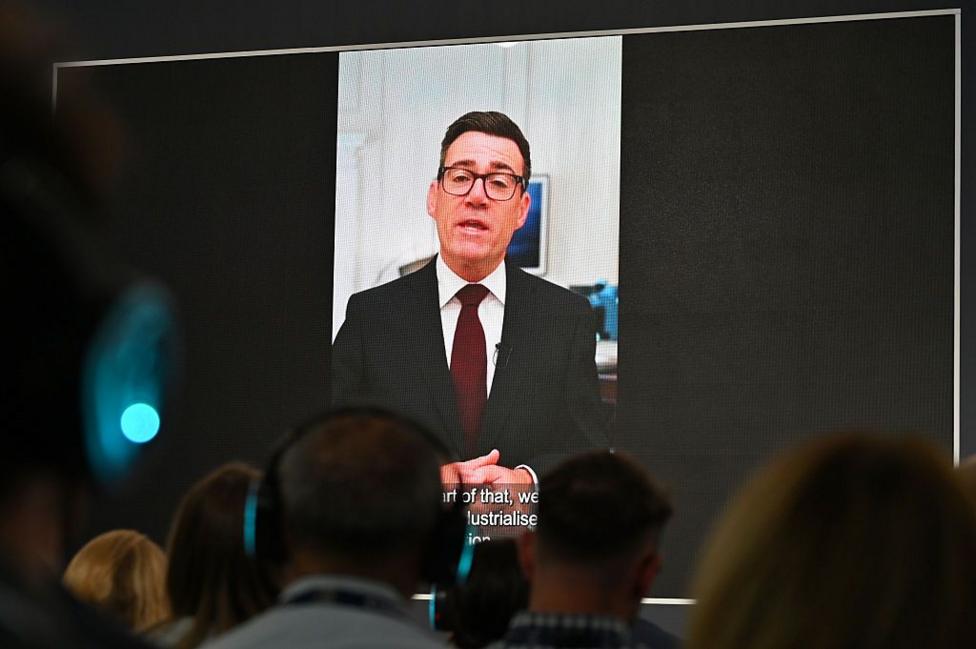
At the air show, new UK Prime Minister Andy Burnham sent a video with a message that defence could play a big role in his plans to reindustrialise the economy and provide thousands of skilled jobs.

And in his keynote speech at the airshow Streeting said: "Defence will not just be a recipient of the proceeds of economic growth. It will be a central contributor to building that growth, a driver of prosperity in parts of the country that are crying out for the backing they need to make their contribution to the challenge of our time."
Woodburn said he wanted to help make the case for the knock-on benefits of defence spending.
"We need to make sure that the industrial benefits, the jobs benefits are well told so people understand this is money well spent," he said.
But does he ever lose sleep over the fact that his products are ultimately intended to kill people?
"The thing I always think about is that the best thing we can do is to deter. Detering war means our brave men and women have the best kit they could possibly have. Our mission as a business is to protect those who protect us and we take that incredibly seriously."
How has the UK approached the threat?
The UK has been too complacent about the risk of foreign attack, according to Woodburn, who said the country had underestimated the level of threat it faced for some time, particularly from Russia. He said the reality of modern warfare had changed and that defence spending had to adapt to match the new threat environment.
What did Woodburn say about autonomous weapons?
Woodburn said the UK was close to a new era of autonomous lethal weaponry and warned that some countries may not follow the UK's policy of keeping human control in the loop. He said Russia and Ukraine had become highly capable in using drones and counter drones, and that the UK needed to understand and counter those capabilities.
Why is BAE promoting uncrewed aircraft?
BAE Systems unveiled a model of Brontanax, an uncrewed Collaborative Combat Aircraft, at the Farnborough International Airshow. The concept is for four of these aircraft to accompany a manned fighter, increasing firepower at around 20% of the cost of a piloted aircraft.
Does BAE still see a role for traditional military platforms?
Yes. Woodburn said battleships and submarines still have a role, and argued that the best formula is a combination of large traditional platforms and unmanned capabilities. He said adversaries were also building aircraft, ships and submarines, supplemented by unmanned systems.
How concerned is he about UK military readiness?
Woodburn said the UK had been complacent about the threat it faced, and he referenced criticism of military readiness from senior armed services figures. He noted that the First Sea Lord, Sir Gwyn Jenkins, had recently said the navy was not ready for war, while Pete Hegseth referred sarcastically to the "big bad Royal Navy" and President Donald Trump described the UK's aircraft carriers as "toys".
He said the delayed mobilisation of the destroyer HMS Dragon, built by BAE, to provide air cover for Cyprus against Iranian and Hezbollah threats, had not helped that perception. Woodburn insisted BAE had responded as soon as the Ministry of Defence asked for help and said the company moves as quickly as it can, but needs a signal to move.
What does the change in the Treasury mean for defence spending?
Woodburn welcomed the promotion of former defence secretary John Healy to Chancellor. Healy had resigned after saying that the extra money awarded to defence "falls well short of what is needed to protect the country".
The extra funding increased from £13.5 billion to £15 billion after his resignation, but that would only take defence spending to 2.68% of GDP by 2030, which is still below the 3% Healy said was needed. The government has committed to spending 3.5% of GDP on defence by 2035, which would require a further major increase.
Shares in defence companies, including BAE, rose when Healy moved into number 11, but Woodburn said he understood that the Treasury would face pressure from other departments.
He said he had tremendous respect for John Healy and viewed his presence in the Treasury as positive because he understands what defence requires, even though he will have complex national finances to manage.
How have the armed forces changed since the cold war?
The UK's armed forces have shrunk significantly since the end of the cold war. In 1990, the army had 153,000 regular soldiers; today that figure is 74,000.
Woodburn said it is debatable how many human soldiers are needed now, because autonomous lethal weaponry may soon play a greater role. He said the UK follows rules of human control, but adversaries do not always do the same.
What did the prime minister and defence secretary say at Farnborough?
UK Prime Minister Andy Burnham sent a video message saying defence could be central to his plans to reindustrialise the economy and create thousands of skilled jobs.
In his keynote speech at the airshow, Defence Secretary Wes Streeting said defence would not just receive the proceeds of growth but would help create that growth and drive prosperity in parts of the country that need backing to contribute to what he called the challenge of our time.
Why does Woodburn say defence spending matters beyond security?
Woodburn said he wanted to help make the case for the knock-on benefits of defence spending, including industrial benefits and jobs. He said people need to understand that the money is well spent.
He also said he does not lose sleep over the fact that BAE's products are ultimately intended to kill people, because deterrence is the best outcome and it means British service personnel have the best equipment possible.
"The thing I always think about is that the best thing we can do is to deter. Detering war means our brave men and women have the best kit they could possibly have. Our mission as a business is to protect those who protect us and we take that incredibly seriously."