Registered childminders across Northern Ireland are facing mounting financial pressure as home heating oil prices continue to climb, with one provider describing the situation as creating a "severe" operational and financial strain on her business and family.
On 24 September, the average price of 500 litres of home heating oil in Northern Ireland stood at £561.83, according to the Consumer Council for Northern Ireland (CCNI). This represents a dramatic increase from earlier in the year: according to BBC reporting from September 2025, the same volume cost approximately £270 just twelve months earlier, meaning prices have more than doubled year-on-year.
Rachel Jeffers, a childminder from Stewartstown in County Tyrone, minds one child during after-school hours and three children of pre-school age throughout the day, alongside her own six-year-old daughter and seven-year-old son. She explained the cascading effect of rising costs on her business operations.
It's a severe financial and operational burden on all registered childminders because as well as the prices of the oil, there's massive increases in the food bills, the insurance. That's all increased massively and a lot of the parents are saying if we're increasing our rates it's a financial burden on them.
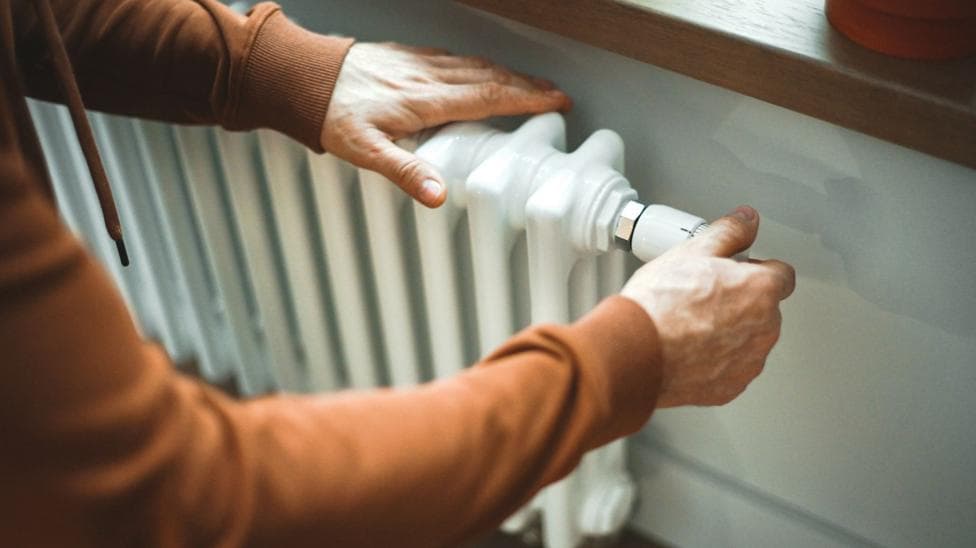
Jeffers reported that her own heating oil costs had doubled since the previous year. Last week, she purchased 500 litres for £560, but her storage tank remained far from full—a reflection of her decision to defer a complete refill due to the prohibitive expense. She has begun rationing her heating, turning it off earlier in the day than she normally would.

During winter months, Jeffers must maintain heating throughout the day to keep her home warm for the young children in her care. Even through summer, the heating system continues to operate because her hot water supply depends on the oil-fired system.
The financial strain extends beyond her business. Jeffers has not yet raised her childminding fees but acknowledged she has been considering it. The prospect troubles her emotionally.
The guilt is there also because whenever you start minding, the families nearly become an extension of your family, so you're feeling for them.
She described the cost of heating as something that occupies her thoughts constantly.
You're always on the back of your mind.
The impact has reached her own family's lifestyle decisions. Jeffers has begun questioning whether to continue funding her children's extracurricular activities.
They do piano, they do football, and you're sitting and questioning is it worth going to these? And then that's impacting on them and they're out and they feel like they're missing out because they're seeing their friends still going to it, but you obviously then can't afford to do everything.
Why are heating oil prices so high?
Almost two-thirds of homes in Northern Ireland—62.5% of all households—rely on oil for heating, the highest proportion across all UK nations. Unlike gas or electricity, the heating oil market operates without regulation, meaning global price movements are rapidly transmitted to consumers without any buffer or price control mechanism.
Raymond Gormley, head of energy at the CCNI, told NI that heating oil costs have risen approximately 80% since before the conflict in Iran began. He illustrated the scale of the increase with specific figures.

At the minute, 300 litres is about £347 and before the war began it was £202. That just shows you, that's £146 of a difference for 300 litres.
He stressed the difficulty households face in absorbing such a large increase in such a compressed timeframe.
It's really hard for people to find that 80% increase in such a short space of time because, as we know, budgets are hard pressed as it is.
According to one industry price tracker, Northern Ireland heating oil prices rose approximately 28% between 28 August and 18 September 2026, with the 500-litre price increasing from £446.41 to £570.33 during that three-week period. Earlier in September, BBC reporting noted that the average price of 500 litres had passed £500 for the first time since early May, reaching £500.40 on 10 September.
What determines whether prices will fall this winter?
The trajectory of heating oil prices depends almost entirely on geopolitical developments in the Middle East, Gormley explained. He outlined two possible scenarios.
If there is peace discussions and there is sort of a truce, you'll see prices coming down, slowly be that, but they'll come down. If not, if war continues, prices will only go one way.
He noted that oil prices are highly responsive to headline news and geopolitical events.
Prices are really headline driven.
While prices had declined slightly during one recent week, Gormley cautioned that the asymmetry in price movements works against consumers.
As you know, prices go up a lot quicker than they come down.
Gormley recommended that households monitor daily oil price movements closely and compare quotes from multiple suppliers before purchasing, as prices vary across different postcode areas. According to CheapestOil's Northern Ireland quotes page, prices on 27 September 2026 ranged as low as £526.99 for 500 litres in some postcode areas, demonstrating the value of shopping around.
What financial support is available?
The Northern Ireland government introduced the Home Heating Oil Support Scheme to help lower-income households manage rising costs. Applications opened on 9 September 2026 and remain available until 31 March 2027.
The scheme provides eligible households with a £100 voucher toward heating oil costs. Approximately 340,000 lower-income households were expected to qualify for the payment, which was first announced in March.
Eligibility extends to households with a combined income of £30,000 or less, or those receiving certain benefits including pension credit and personal independence payment (PIP).
As of midday on 23 September, the Department for Communities had received 123,987 applications. The department expects that 75% or more of applications will be processed automatically, with successful applicants receiving a payment card within 10 working days of applying.
Some applicants will be required to provide additional documentation to verify their eligibility. The scheme can be accessed through NIdirect, and the Consumer Council's daily price checker helps households compare oil prices across suppliers and postcode areas.
Key Facts
- Heating oil prices in Northern Ireland have risen approximately 80% since before the Iran conflict began, with 500 litres costing £561.83 on 24 September 2026 compared to around £270 in early September 2025
- Almost two-thirds of Northern Ireland homes (62.5%) depend on oil for heating—the highest proportion in the UK—and the unregulated market means global price rises pass directly to consumers
- The £100 Home Heating Oil Support Scheme, open until 31 March 2027, targets approximately 340,000 lower-income households with combined incomes of £30,000 or less or those on certain benefits
- Childminders and other small business operators face compounded financial pressure from simultaneous increases in food costs, insurance premiums, and heating expenses
- Price variations across Northern Ireland postcode areas mean households can save money by comparing quotes from multiple oil suppliers before purchasing