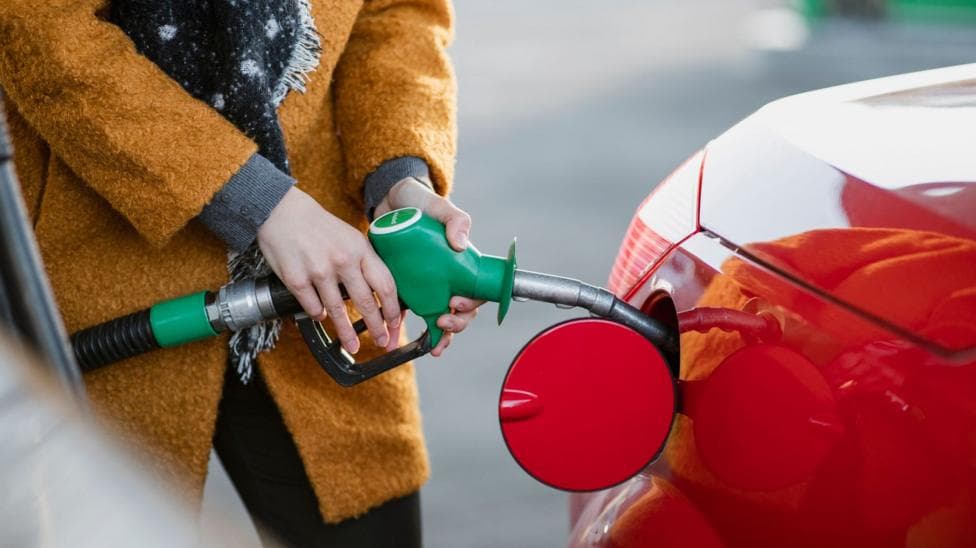
Diesel prices in the UK have climbed to an unprecedented 199.18p per litre, marking a new all-time high, according to the motoring organisation RAC. The surge reflects ongoing geopolitical tensions in the Middle East, which have disrupted oil production and transportation networks across the region over the past seven months.
Petrol has also continued its upward trajectory, with prices now standing at 174.13p per litre. The conflict has severely constrained the supply and movement of wholesale oil, triggering a corresponding increase in the cost of refined fuels derived from crude oil.
The previous record for diesel stood at 199.09p, set in June 2022. The latest figure represents a significant breach of that threshold, pushing the UK into what RAC describes as uncharted pricing territory.

What does this mean for drivers and consumers?
The financial impact on motorists is substantial. Filling an average family car with diesel now costs approximately £110, representing an increase of £31 since the start of the Middle East conflict. However, the consequences extend far beyond individual drivers at the pump.
Simon Williams, RAC's head of policy, highlighted the broader economic implications:
The diesel record spells pain not only at the pumps for drivers, but for everyone who buys goods or services that rely on diesel lorries and vans.He added that
undoubtedly these increased costs will be passed on to consumers.
When will prices fall?
Relief at the forecourt appears unlikely in the near term. Williams cautioned that pump prices will only decline once there is a
sustained lower oil price - over several weeks, not days.This suggests that temporary fluctuations in global oil markets will have minimal impact on UK fuel prices, which require a prolonged period of lower wholesale costs to translate into reductions for consumers.
The situation underscores the UK's vulnerability to international events. RAC emphasised that the nation remains highly exposed to disruptions occurring in distant regions, with energy markets serving as a direct transmission mechanism for geopolitical shocks into domestic prices.