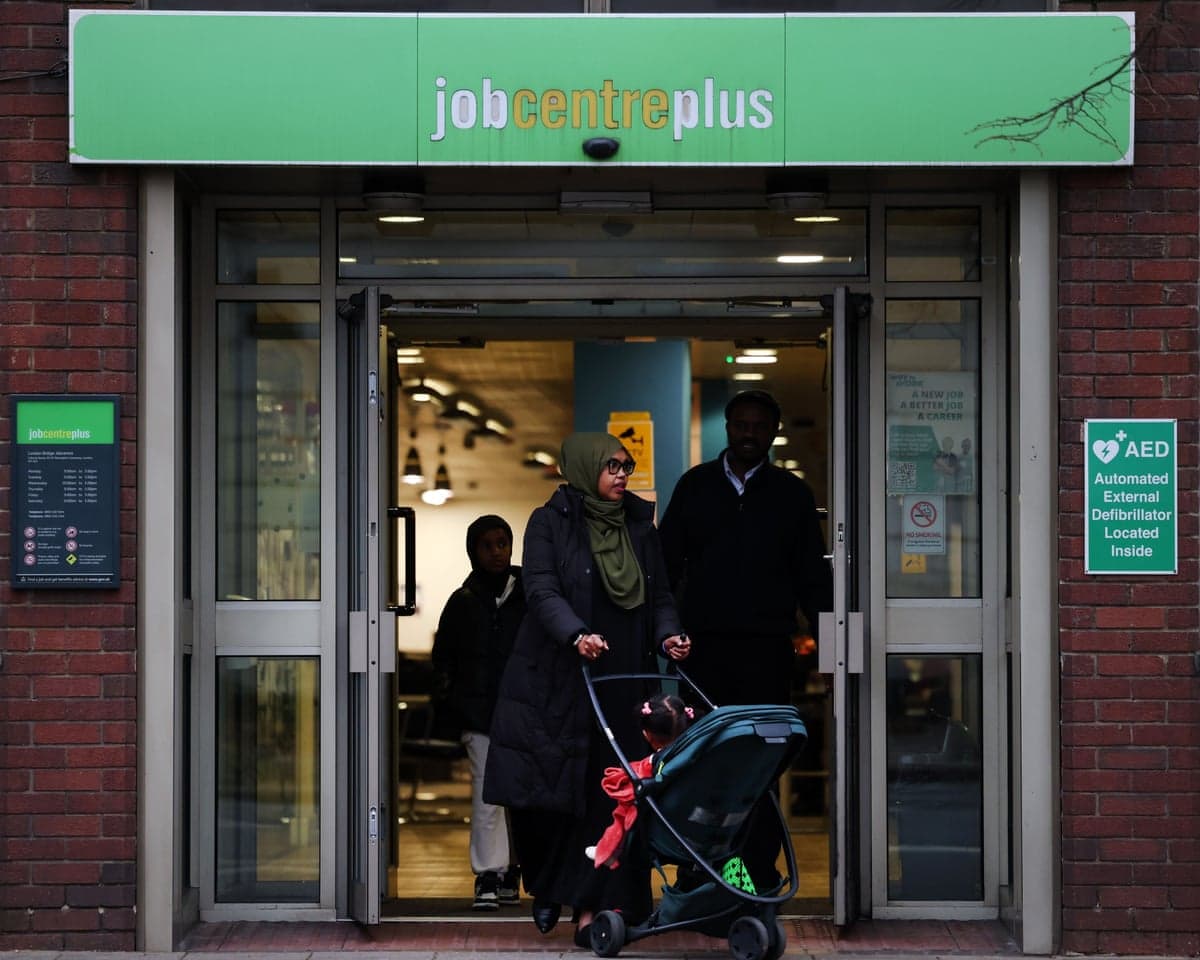
Job vacancies across the UK have experienced their steepest decline since the beginning of the year, driven by smaller businesses scaling back their recruitment efforts, according to official data released by the BBC News.
The number of available positions dropped by 21,000 in the three-month period ending in September, bringing the total to 691,000, according to figures from the Office for National Statistics (ONS). The ONS identified labour costs as the primary reason small firms are reducing their hiring activity.
Multiple cost pressures have combined to squeeze business finances. Energy expenses have increased following the escalation of the Iran conflict, while employers have also faced higher expenses from rises in National Insurance contributions and the statutory minimum wage, all of which have elevated the cost of maintaining their workforce.
The labour market showed mixed signals in other respects. The unemployment rate improved to 4.7% during the three months to August, down from the previously reported level of 4.9%.
What does the vacancy decline mean for the broader jobs market?
The sharp fall in vacancies represents a continuation of a downward trend that began earlier in the year. Previous data showed vacancies had already fallen to a five-year low of 707,000 in the May-to-July period, indicating that the challenges facing small employers have persisted and intensified. The latest figures suggest the pressure on recruitment budgets continues to mount as firms navigate the combined impact of geopolitical tensions and domestic policy changes.