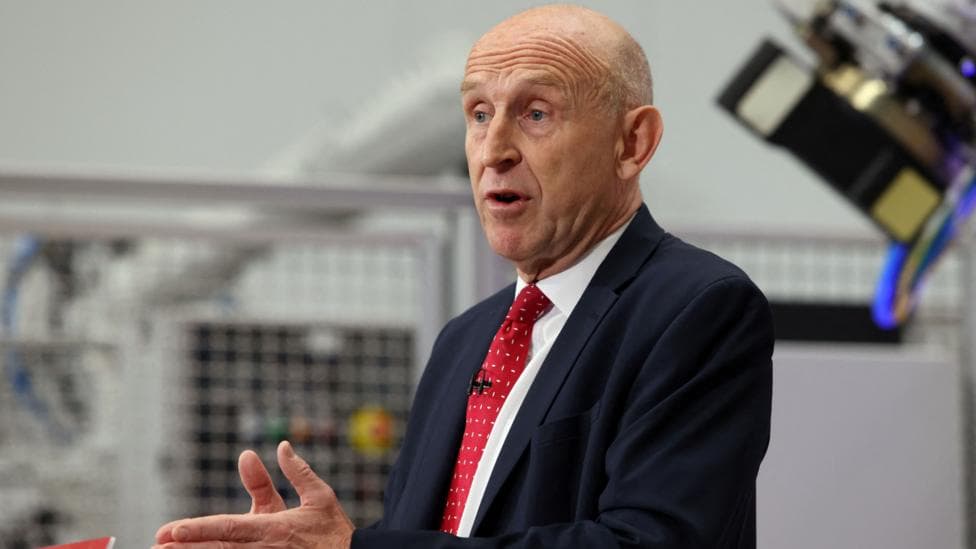
Chancellor of the Exchequer John Healey has rejected proposals from within his own party to increase Capital Gains Tax (CGT) ahead of his first Budget, citing concerns that such a move could trigger capital flight and ultimately reduce government revenues. According to BBC News, Healey's decision comes despite earlier calls from senior Labour figures to raise the tax on profits from asset sales.
The Chancellor's position marks a significant shift from earlier statements by Cabinet ministers. Defence Secretary Wes Streeting and Secretary of State Louise Haigh both previously advocated for lifting CGT before Andy Burnham became Prime Minister in July 2026. However, Healey has now firmly ruled out any increase to the tax, which applies to gains made when individuals sell assets such as shares or second properties.
Why is the Chancellor avoiding a CGT increase?
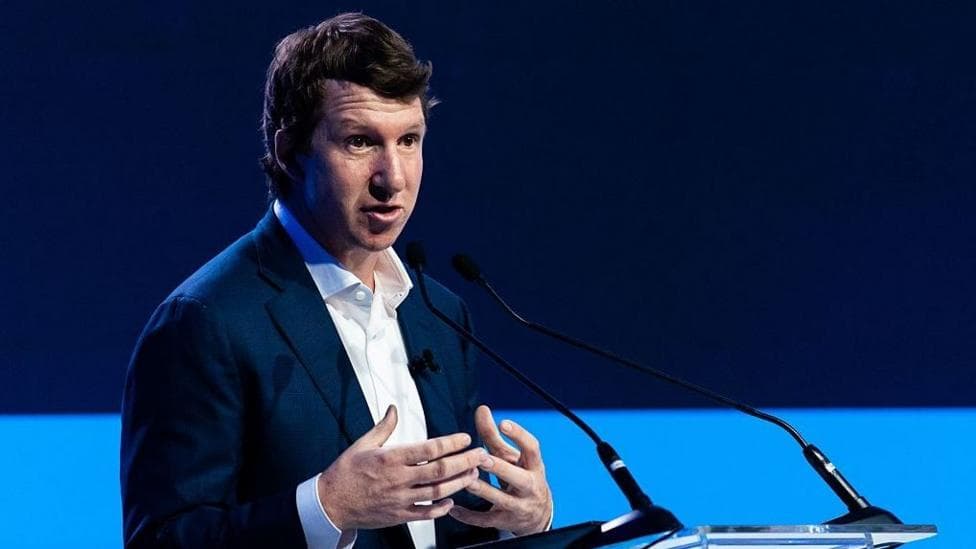
Healey's decision reflects warnings that raising the tax could prove counterproductive. Economic analysis suggests that wealthy individuals might respond by relocating abroad or postponing asset sales, thereby reducing the tax base rather than expanding it. Lord Jim O'Neill, a former adviser to Burnham and Goldman Sachs executive, cautioned that such a move would transmit
the wrong message to business.
The Chancellor has previously signalled his commitment to positioning the UK as an attractive destination for wealth creation, emphasising that government policies should strengthen business confidence, encourage investment, and support profit generation. This philosophy underpins his rejection of CGT increases despite fiscal pressures facing the government.
What pressure has Healey faced on tax policy?
Influential Labour figures had pushed for equalising CGT and income tax rates, as capital gains currently attract significantly lower taxation than employment income. Haigh, identified as a key ally of the Prime Minister, had suggested that capital gains should rise to align more closely with income tax levels before assuming her current role. Streeting, meanwhile, called for a
wealth tax that worksin May 2026, shortly after stepping down from his previous ministerial position in Sir Keir Starmer's administration.
The Chancellor has already ruled out levelling the two tax rates entirely, according to reporting from the Financial Times. This dual rejection—of both a CGT increase and full equalisation with income tax—represents a decisive stance against the tax-raising proposals that have circulated within Labour circles.
What is the current state of Capital Gains Tax?
The existing CGT framework reflects changes introduced in the 2024 Autumn Budget. Current main rates stand at 18% for basic-rate taxpayers and 24% for higher-rate taxpayers, having been raised from 10% and 20% respectively for non-residential property gains from 30 October 2024. Additionally, Business Asset Disposal Relief and Investors' Relief rates increased from 14% to 18% for qualifying disposals from 6 April 2026. In the 2025/26 tax year, CGT raised £24 billion in revenue for the government.
What alternative revenue measures are being considered?
While Healey has closed the door on CGT increases, the government is pursuing other avenues to raise funds. Reuters reported that the Budget's main revenue-raising measure is expected to be a levy on banks, with proceeds funding temporary cost-of-living support, though the Treasury has declined to comment on tax speculation. This approach reflects the government's need to raise billions to offset higher borrowing costs and fund increased defence spending and expanded social care.
The decision to pursue a bank levy rather than CGT increases suggests the government believes this route poses fewer risks of capital flight or economic disruption. It also aligns with Healey's stated objective of maintaining investor confidence in the UK economy.
What happens next?
Healey will deliver his first Budget on 28 October 2026, setting out the government's full tax and spending plans. Conservative leader Kemi Badenoch is expected to use a pre-Budget speech on Tuesday to urge the government to abandon its spending plans and reduce borrowing, signalling that the fiscal direction will remain a point of political contention. The Budget announcement will clarify whether the bank levy materialises and what other revenue-raising or spending measures the government intends to implement.