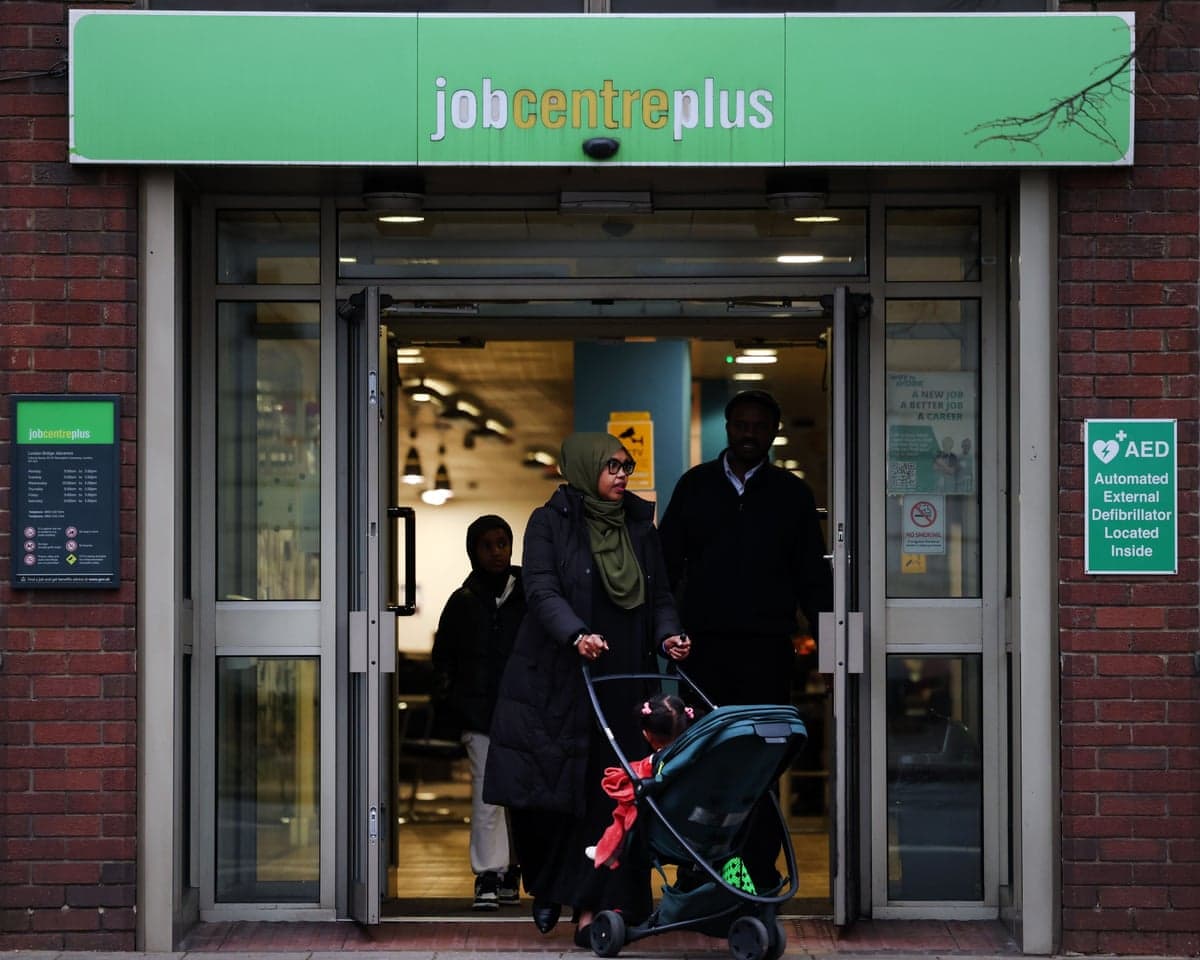
Job vacancies across the UK fell to their lowest level in more than five years between May and July 2026, as smaller businesses cut back on recruitment amid rising costs. The Office for National Statistics (ONS) reported that vacancies dipped slightly to 707,000, while the unemployment rate held steady at 4.9%.
According to the ONS, the overall labour market remained largely stable, though small firms pointed to labour and operating expenses as key reasons for reducing hiring activity. Regular earnings growth, which excludes bonuses, edged up to an annual rate of 3.5% in the three months to June 2026.
What is driving the drop in vacancies?
Economists point to a mix of rising costs and cautious employer sentiment as the primary drivers behind the continued decline in job openings. Suren Thiru, chief economist at the Institute of Chartered Accountants in England and Wales, described the current environment as one of stagnation.
"The UK labour market remains stuck in a low-churn limbo, with employers reluctant to hire, fire or offer bigger pay rises as they grapple with rising costs, intensifying global headwinds and heightened policy uncertainty."
"The persistent slide in vacancies is a red flag for the jobs market, suggesting labour demand is shrinking amid soaring employment and energy costs, while greater automation is also squeezing some entry-level roles."
Is pay growth telling the full story?
Not entirely, according to KPMG chief economist Yael Selfin, who cautioned that the uptick in overall earnings growth was skewed by public sector pay rises rather than broad-based improvements.
"Driven by a rise in public sector wages."
Selfin noted that private sector pay growth, which she regards as a more reliable indicator of underlying labour market conditions, actually slowed to 2.8% over the same period.
What do the latest figures add to the picture?
The ONS published its full August 2026 labour market release on 18 August 2026, incorporating updated vacancy and employment figures for the UK, according to the Office for National Statistics. Separately, analysis from KPMG and the Recruitment and Employment Confederation found that temporary vacancies rose for the first time in two years, while the decline in permanent vacancies was the mildest recorded in 22 months, according to a joint KPMG and REC report.
An earlier ONS bulletin, published in July 2026, had shown vacancies falling by 7,000 to 712,000 in the April-to-June period, according to the ONS jobs and vacancies bulletin. Meanwhile, the ONS's earnings data for June 2026 had recorded regular pay growth of 3.4% and total pay growth of 4.4% in the year to April 2026, according to the ONS average weekly earnings bulletin.
How does this compare with recent history?
The current downturn continues a trend first flagged in June 2026, when the ONS reported that vacancies had sunk to their lowest point since the February-to-April 2021 period, with an early estimate of 707,000 openings for March to May 2026, according to the ONS labour market bulletin for June 2026. At that time, reporting indicated that professional services experienced the steepest vacancy declines, with retail and hospitality also seeing notable drops, according to a BBC News report.
What happens next?
The next scheduled ONS labour market release is due on 18 August 2026, which will provide further clarity on whether the vacancy slide is stabilising or deepening, according to the Office for National Statistics.
Key Facts
- Vacancies fell to 707,000 in the May-to-July 2026 period, the lowest in over five years.
- Unemployment held steady at 4.9%, according to the ONS.
- Regular earnings growth rose to 3.5% annually, though private sector pay growth slowed to 2.8%.
- Temporary vacancies rose for the first time in two years, per KPMG and REC.
- The next ONS labour market update is scheduled for 18 August 2026.