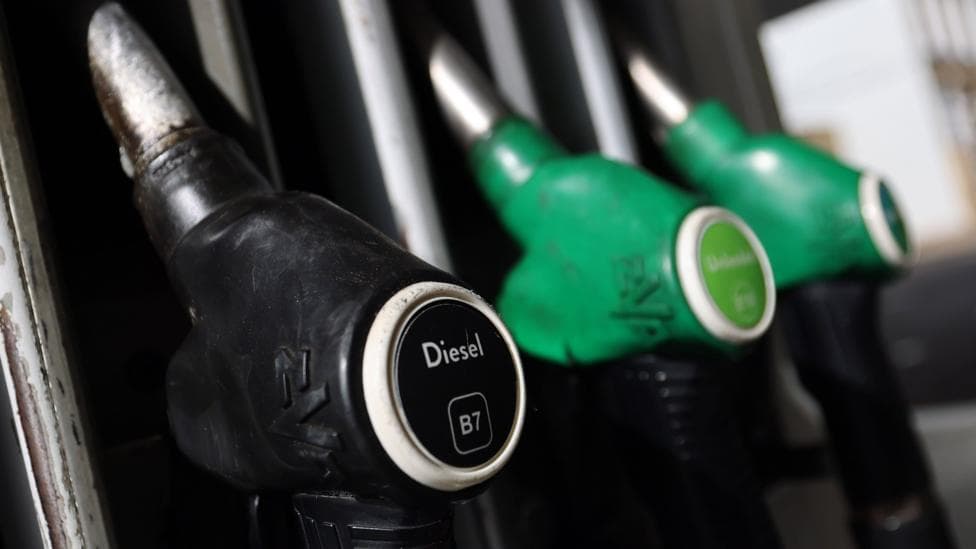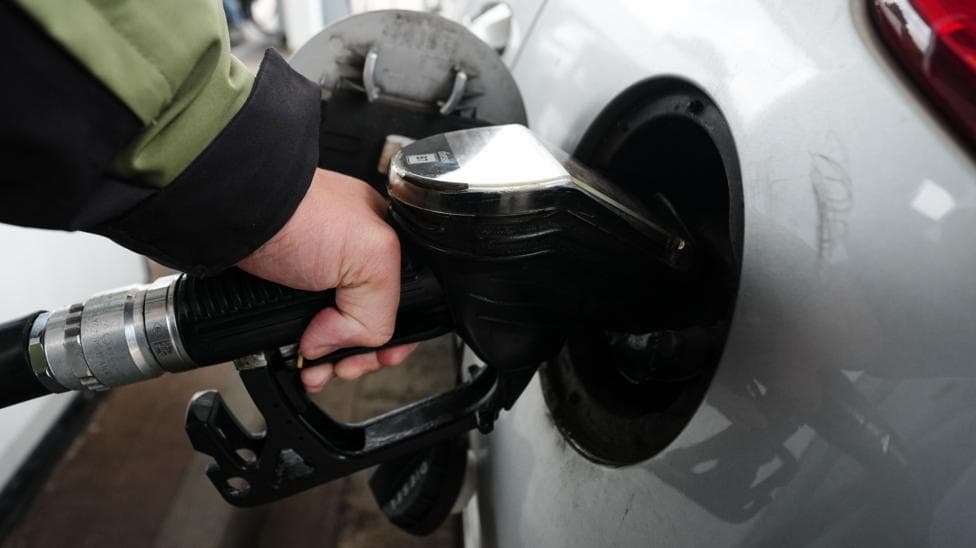
The average price of diesel in the UK has exceeded £2 per litre for the first time, reaching 200.01p a litre according to the RAC motoring organisation, as geopolitical tensions and supply disruptions continue to drive fuel costs upward across the country.
Petrol prices have also climbed, now averaging 174.71p a litre. The RAC warned that price increases show no indication of moderating, describing the situation as inflicting "more misery onto motorists" struggling with the rising cost of motoring.
This milestone represents a significant jump from the previous record. The previous UK diesel-price record was 199.09p a litre, set in June 2022, meaning the current price has surpassed that benchmark by nearly a penny per litre.
What is driving the price surge?
Multiple factors are combining to push fuel costs higher. Over the past seven months, conflict in the Iran region has severely disrupted both the production and transportation of wholesale oil and refined products, causing global prices to surge. Additionally, Ukrainian attacks on Russian refineries have further constrained supplies of diesel available on the world market.
The EU banned Russian refined products in February 2023, and Russia extended its diesel-export ban until the end of October following Ukrainian attacks on refineries, reducing the available supply from a major historical source.
How is this affecting UK motorists and businesses?
The financial impact on drivers is substantial and growing. Filling an average family car with diesel now costs approximately £110, representing an increase of almost £32 since the start of the Iran conflict. Filling a typical petrol car has risen to £96.09, up £23.03 since February.
The RAC's Simon Williams highlighted the particular burden on those who drive extensively: "This will be very challenging for households and companies that drive a lot of miles, from commuters, haulage and delivery firms, businesses with large fleets all the way through to sole traders." According to the RAC, a 45mpg diesel car now costs about 20p per mile to run, a significant operating expense for both personal and commercial users.
Why is the UK particularly vulnerable to diesel price shocks?
The UK's fuel supply structure leaves it exposed to international price volatility. Diesel is harder to refine than petrol, and although UK refineries produce more petrol than is consumed domestically, they meet less than half of the nation's diesel demand. As a result, the UK must import just under half of the diesel it uses.
About a third of UK diesel imports last year came from the US, while Belgium and the Netherlands jointly supply more than a third of imports. This dependence on international sources means UK prices are highly sensitive to global supply disruptions and geopolitical events.
What is the US government doing?
The United States has intensified pressure on European countries to release additional diesel stocks in an effort to lower prices worldwide. US President Donald Trump has threatened to ban American exports of diesel, a move that would redirect more fuel to the domestic US market and potentially ease prices for American motorists ahead of the midterm elections in November.
However, such a ban would likely push prices higher elsewhere, including in the UK and the EU. Trump has stated he is considering the ban and has backed his Treasury Secretary Scott Bessent, who has urged European countries to release diesel supplies "immediately", contending that US farmers, truckers, and businesses "should not be left carrying the burden" as prices soar.
How is the UK government responding?
UK government ministers have stated they are engaging with both the US and the EU on the issue. Britain held talks with the European Commission and Germany, France, Italy and Ireland about whether to release emergency diesel reserves.
A government spokesperson said:
We have a diverse and resilient supply. We continue to engage with our international partners and the UK fuel industry.
The government has stressed that there is no cause for concern about potential diesel shortages, though officials acknowledge that prices are expected to rise further in the coming weeks.
Key Facts
- UK diesel has reached 200.01p per litre, surpassing the previous record of 199.09p set in June 2022
- Filling a diesel car now costs £110, up £32 since the Iran conflict began seven months ago
- The UK imports just under half its diesel, with approximately a third coming from the US and over a third from Belgium and the Netherlands combined
- Global supply has been constrained by Iran-region disruptions and Ukrainian attacks on Russian refineries, which extended Russia's diesel-export ban through October
- The US is pressuring European nations to release emergency diesel stocks and threatening to ban fuel exports to prioritise domestic supply