
Record-breaking fuel costs have forced a Shropshire-based firm specialising in lorry and bus driver training to absorb significant losses while maintaining customer commitments. Steve Dulson, managing director of Dulson Training, said the business is facing hundreds of pounds in additional expenses each time it refuels its fleet compared with prices at the start of 2025.
The average price of diesel across the UK reached an unprecedented 199.33p per litre this week, according to the RAC motoring organisation. The RAC's fuel-price figures are drawn from prices at supermarkets, motorway service stations and independent retailers. Petrol has also climbed to 174.23p per litre.
The sharp increase in fuel costs stems directly from the conflict between the US and Iran, which began on 28 February. Since that date, the average cost of diesel has risen by 59p per litre—representing an increase of just under 40%—while petrol prices have climbed by 41p. Supplies of diesel internationally have been heavily constrained by the Middle East tensions.
How has this affected training businesses?
Dulson Training has experienced a rise of up to 50p per litre over the past 12 months, excluding VAT, creating operational challenges that the firm cannot easily pass on to customers.
"Over the last 12 months we've seen a rise of up to 50p a litre, excluding VAT, and it's hard to react to that, because of how we deal with our customers,"Dulson explained.
The timing of fuel price increases creates particular difficulties for training providers. Most customers have been in the firm's pipeline for an extended period, completing medical checks, applying for provisional licences, or taking theory tests before they reach the practical driving stage. By the time students arrive for their hands-on training, fuel prices may have risen significantly since they received their initial quote.
"That makes it difficult for us to put prices up,"Dulson said.
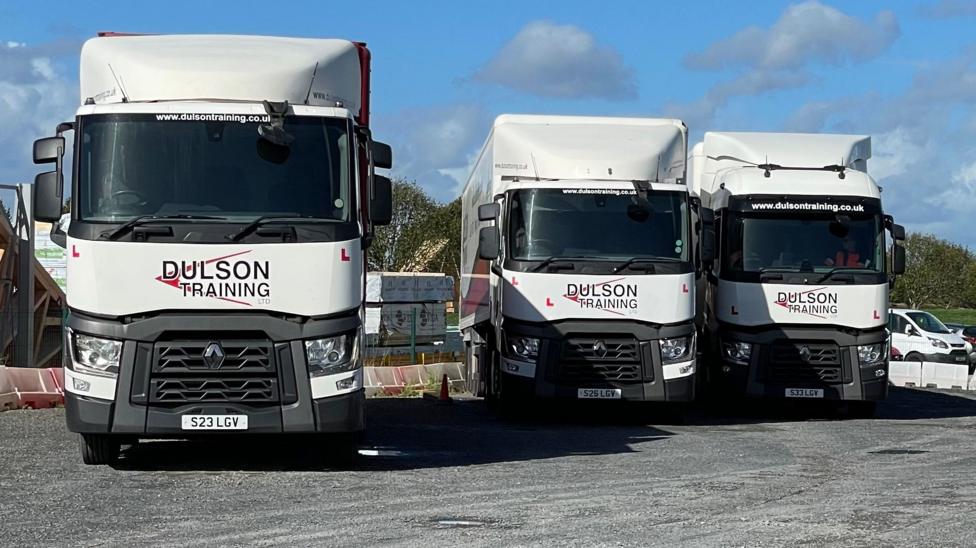
Dulson Training operates six training centres across the region in Shrewsbury, Telford, Ludlow, Wrexham, Wolverhampton and Nantwich, each requiring regular fuel replenishment for its fleet of training vehicles.
What cost-saving measures are available?
The firm has identified limited options for reducing fuel consumption without compromising the quality of training it provides to customers. Dulson said the business could achieve modest savings by
"extending breaks" during training sessions or "take routes that don't use as much fuel", but these measures offer only marginal relief.
"The customer has paid us to do a job and we're going to do that to the best of our ability,"he stated, emphasising the firm's commitment to delivering the service customers have contracted for despite the financial pressure.
What broader factors are driving fuel prices?
The UK's vulnerability to international fuel price volatility has increased substantially over recent decades. Imports now supply 54% of UK diesel consumption, compared with just 14% in the early 2000s, according to reporting on the global diesel shortage. The domestic refining capacity has contracted sharply: the UK operated nine refineries at the start of the century but now has only four.
Global supply constraints have been exacerbated by geopolitical disruption. Russian refinery output has fallen by almost a third over the previous year, further tightening international diesel availability. A Competition and Markets Authority monitoring report from June noted that fuel prices remained elevated in April and May, with supply constraints and inventory management among factors that may have reduced retailers' incentive to offer lower prices.
The impact on consumers has been substantial. Filling an average family car with diesel now costs almost £110, approximately £31 more than at the start of the Iran war.
What lies ahead for the business?
Dulson indicated that the firm may need to adjust its pricing structure in the coming year to reflect the sustained increase in operating costs.
"As next year comes round, we might have to increase prices to reflect what we're going through, unless there's a downturn,"he said.
For now, Dulson Training is absorbing the additional costs while maintaining service quality, a position that reflects the broader challenge facing small businesses across the transport and logistics sectors as they navigate an extended period of elevated fuel prices.
Key Facts
- UK diesel prices hit a record 199.33p per litre this week, up 59p since the US-Iran conflict began on 28 February
- Dulson Training operates six centres across Shropshire and surrounding areas, with fuel costs rising up to 50p per litre over 12 months
- The UK now imports 54% of its diesel, compared with 14% in the early 2000s, making it vulnerable to international supply disruptions
- Training firms face particular difficulty raising prices because customers are quoted before fuel costs spike during their training period
- Global refining capacity constraints, including a near-one-third fall in Russian output, continue to tighten diesel supplies