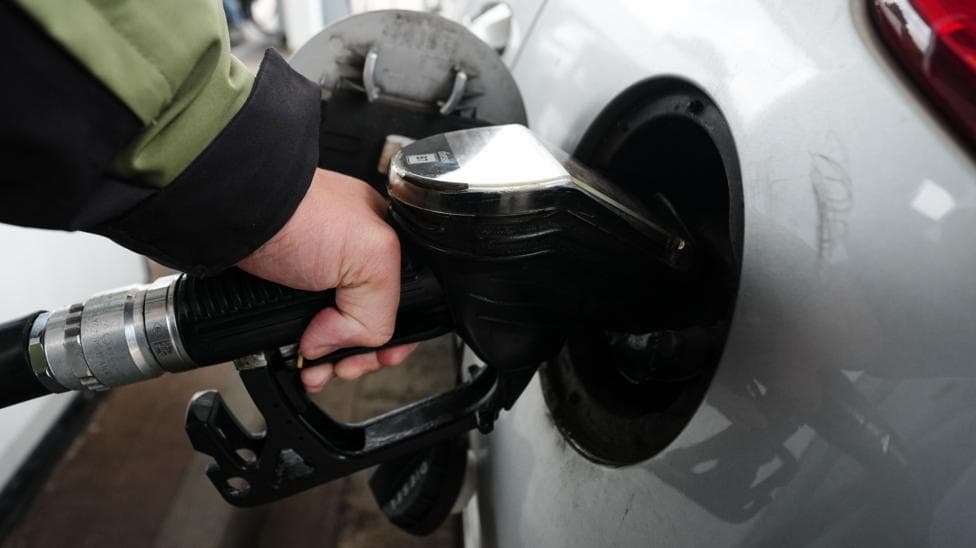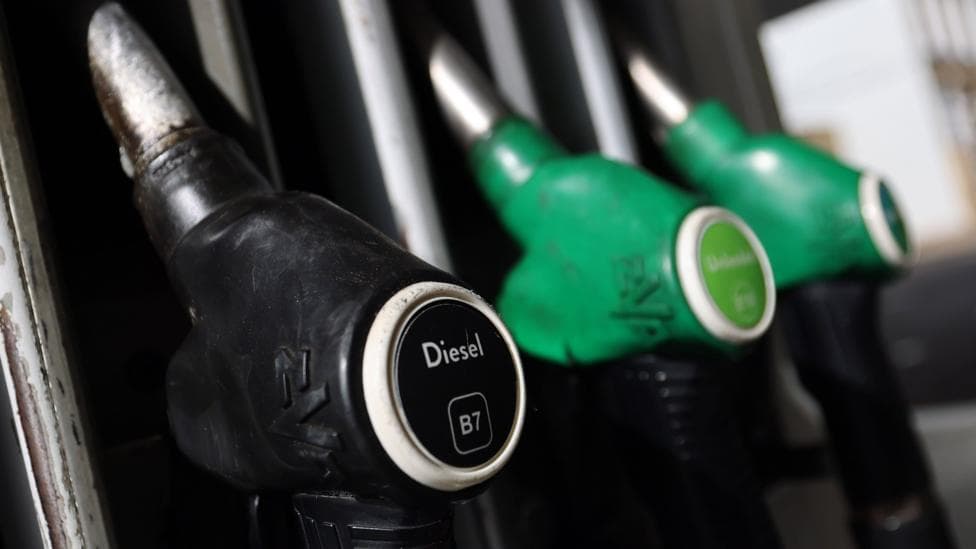
Diesel prices in Northern Ireland have reached their highest level since the Iran conflict began, according to data from the Consumer Council.
Over the past week, the average price of a litre of diesel stood at 193.3p. While this remains below the record average of 197.2p recorded in summer 2022 following Russia's full-scale invasion of Ukraine, some filling stations have already begun charging £2 per litre.
How have prices changed since the Iran tensions?
Before the US-Israeli military action against Iran in February, diesel cost approximately 132p per litre, meaning prices have risen by more than 60p in the months since the escalation in Middle Eastern tensions.
Why are Northern Ireland drivers particularly affected?
Motorists in Northern Ireland are significantly more reliant on diesel than their counterparts elsewhere in the UK. Data from the Department for Transport reveals that just over half of all private cars on Northern Ireland's roads use diesel, compared with an average of one-third across the wider UK. This higher proportion of diesel-dependent vehicles means fuel price increases have a more pronounced impact on the region's driving population.
What is happening to diesel car sales?
Sales of new diesel cars in Northern Ireland have declined sharply in recent years, reflecting a broader trend across the United Kingdom. This shift away from diesel reflects changing consumer preferences and environmental concerns, though existing diesel vehicles remain prevalent on the roads.
Key Facts
- Average diesel price in Northern Ireland reached 193.3p per litre over the past week
- Some petrol stations are charging £2 per litre, the highest level since Iran tensions began
- Prices have increased by more than 60p per litre since February when US-Israeli military action occurred
- Over 50% of private cars in Northern Ireland use diesel, compared to 33% across the UK
- New diesel car sales have fallen significantly in recent years across the region