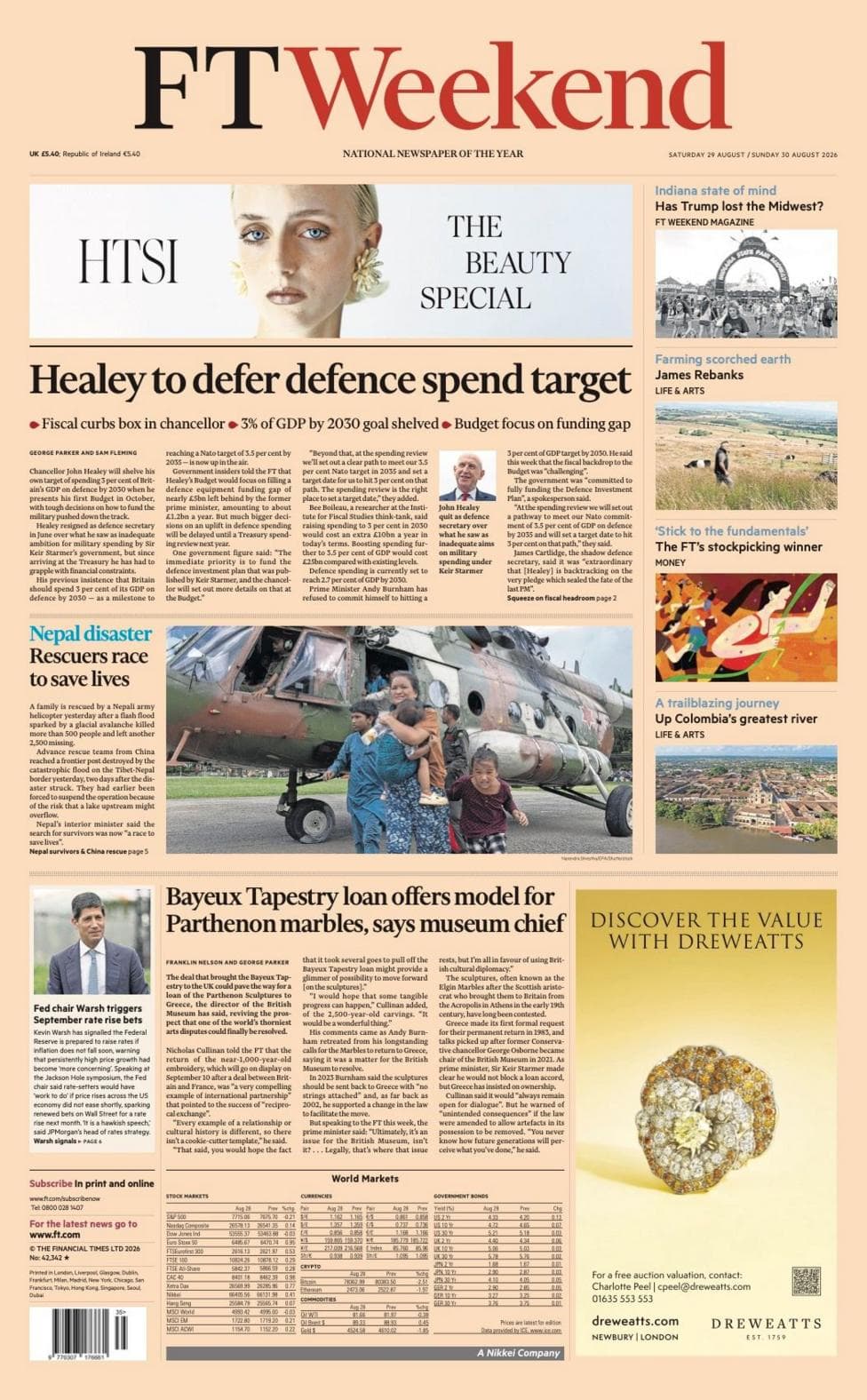
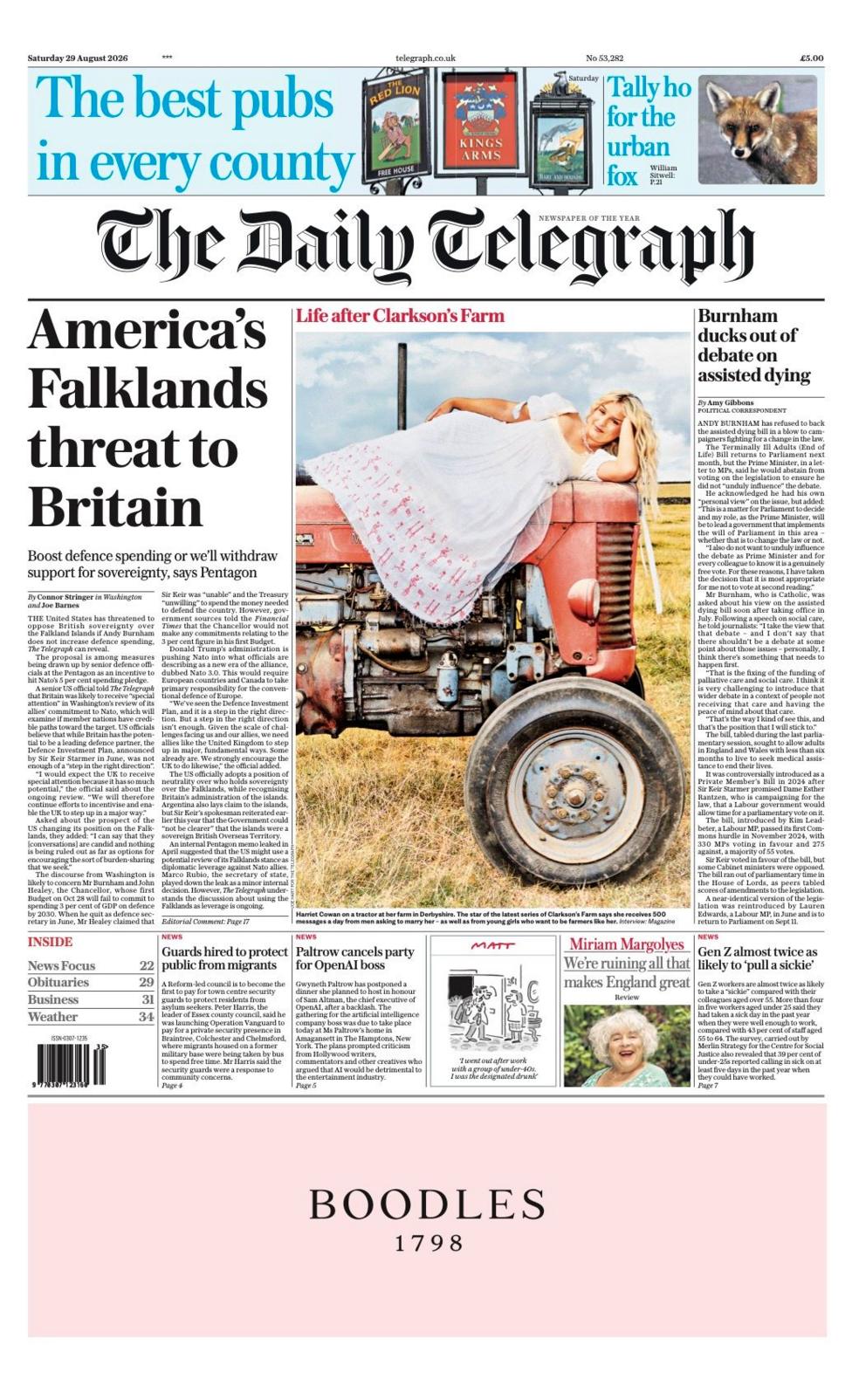
Chancellor John Healey is set to postpone his commitment to reach 3% of GDP spending on defence by 2030, deferring the decision until a Treasury review scheduled for next year. The delay means the October Budget will not include a firm timeline for meeting the ambitious target, marking a significant shift from earlier government pledges on military investment.
According to reporting from a national financial outlet, government insiders have confirmed that "bigger decisions on an uplift in defence spending" will be held back until the spending review takes place. Instead, Treasury sources indicate the first budget will prioritise fully funding the defence investment plan rather than setting a new 3% deadline. The government's current trajectory aims to reach 2.7% of GDP on defence by 2029 and then establish a path to 3% by 2035.
Why has Healey faced criticism over the delay?
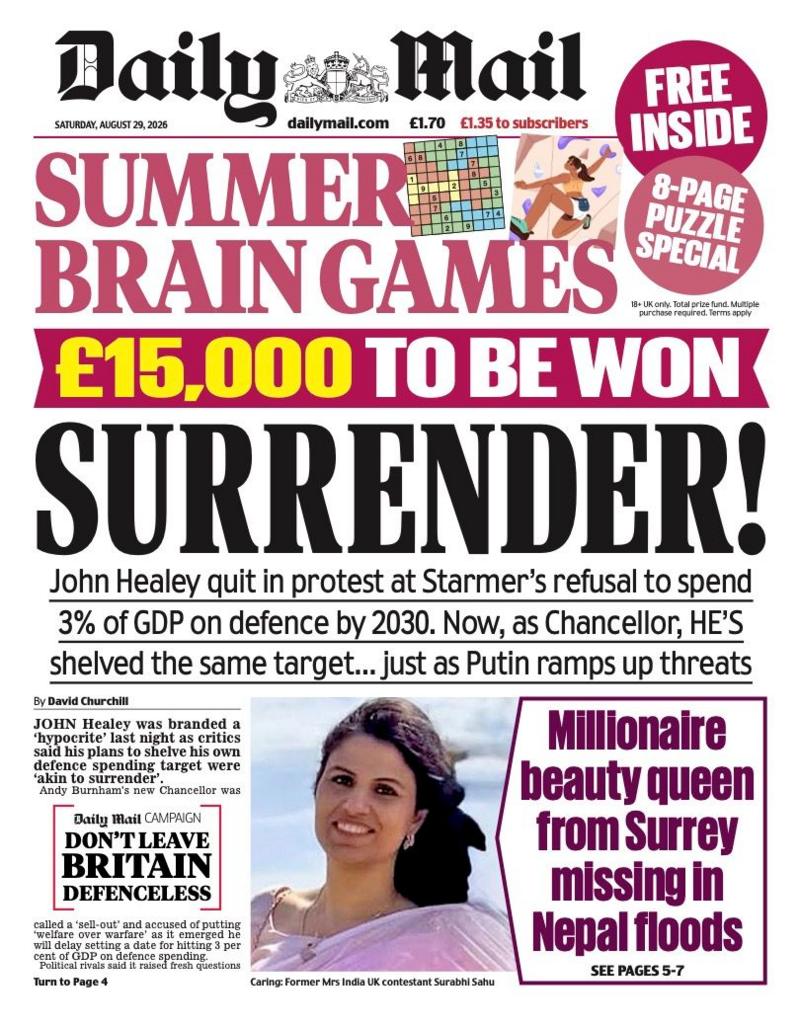
Healey has drawn accusations of hypocrisy from opponents, given his resignation from the role of defence secretary in June. He stepped down in protest at then-Prime Minister Sir Keir Starmer's defence spending plans, arguing that insufficient resources were being allocated to the military. His decision to scale back the 3% target by 2030 now stands in sharp contrast to that principled stance.
What pressure is the US applying?
Washington is reportedly considering ways to pressure Britain into increasing defence expenditure. According to diplomatic reporting, Pentagon officials are drawing up measures that could include opposing British sovereignty over the Falkland Islands as leverage to encourage the UK to meet NATO's 5% spending pledge. The US is also reportedly considering "special attention" for Britain in its NATO review, with the Falklands sovereignty angle framed as leverage over defence spending decisions.
What is the background to the funding challenge?
The UK's defence plan has faced a significant funding gap, with reports indicating that £4.7bn still needed to be found in the autumn budget. The government had previously aimed for 3% of GDP on defence in the next Parliament, rather than by a fixed 2030 date, but the new approach suggests a more gradual trajectory.
When will the next budget decisions be made?
The Autumn Budget is scheduled for 28 October 2026, where defence spending will feature prominently but without the firm 3% by 2030 commitment. A spending review is expected to take place next year, though no date has yet been confirmed for that process.
What is Burnham's position on assisted dying?
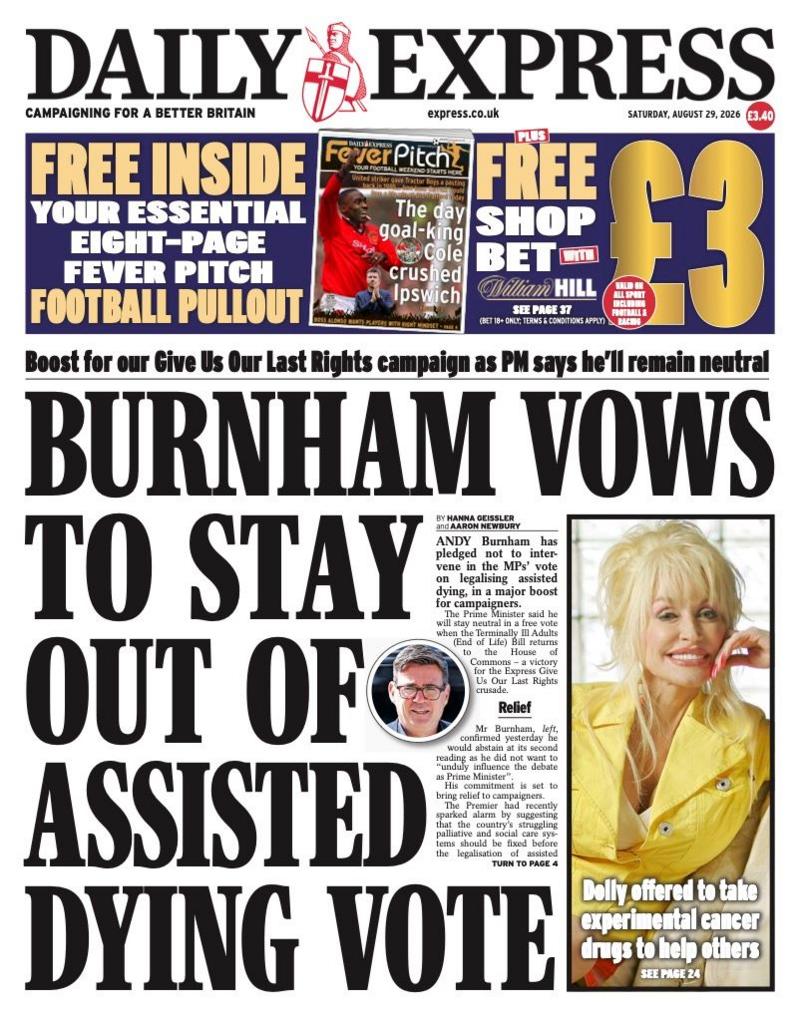
Prime Minister Andy Burnham has announced his intention to remain neutral on the assisted dying vote when the bill returns to the Commons. His commitment to abstain from influencing the process is expected to bring relief to campaigners backing a change in the law, though Burnham has made clear he has no wish to affect the outcome in either direction.

How are the polls shifting?
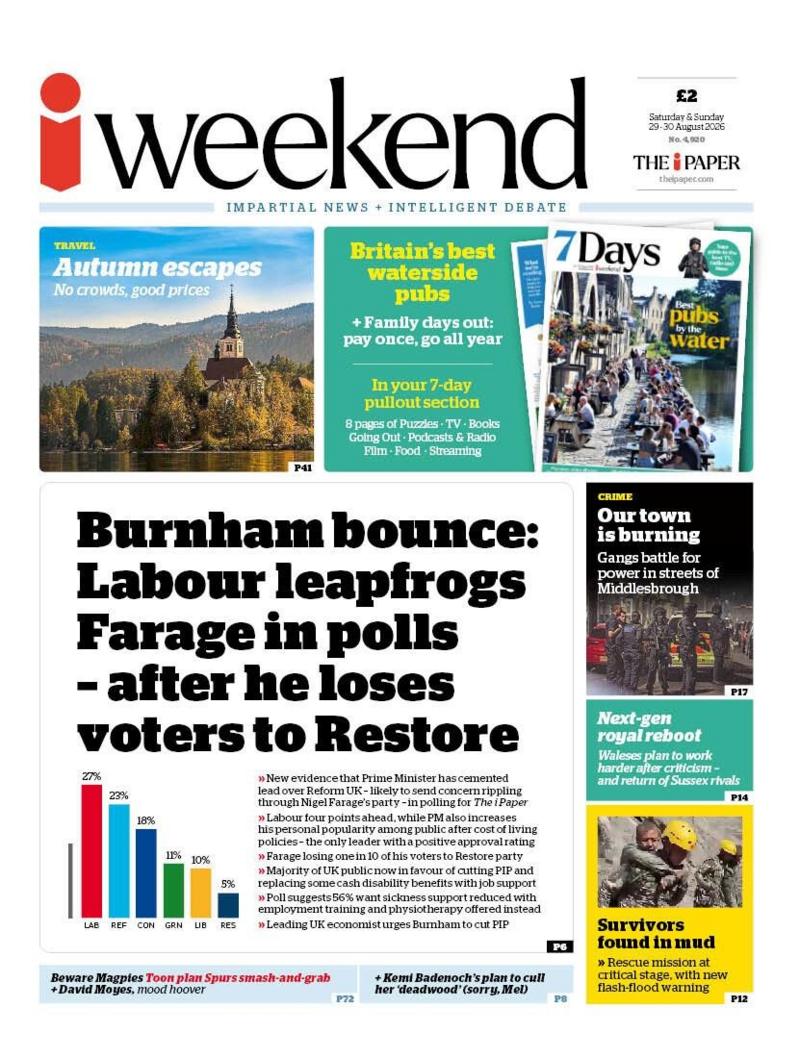
New polling data shows Labour has moved ahead of Reform UK in voter support. Burnham stands as the only party leader with a positive approval rating among the public, while Nigel Farage has lost approximately one in ten of his voters to the Restore Britain party.
What are economists saying about tax policy?
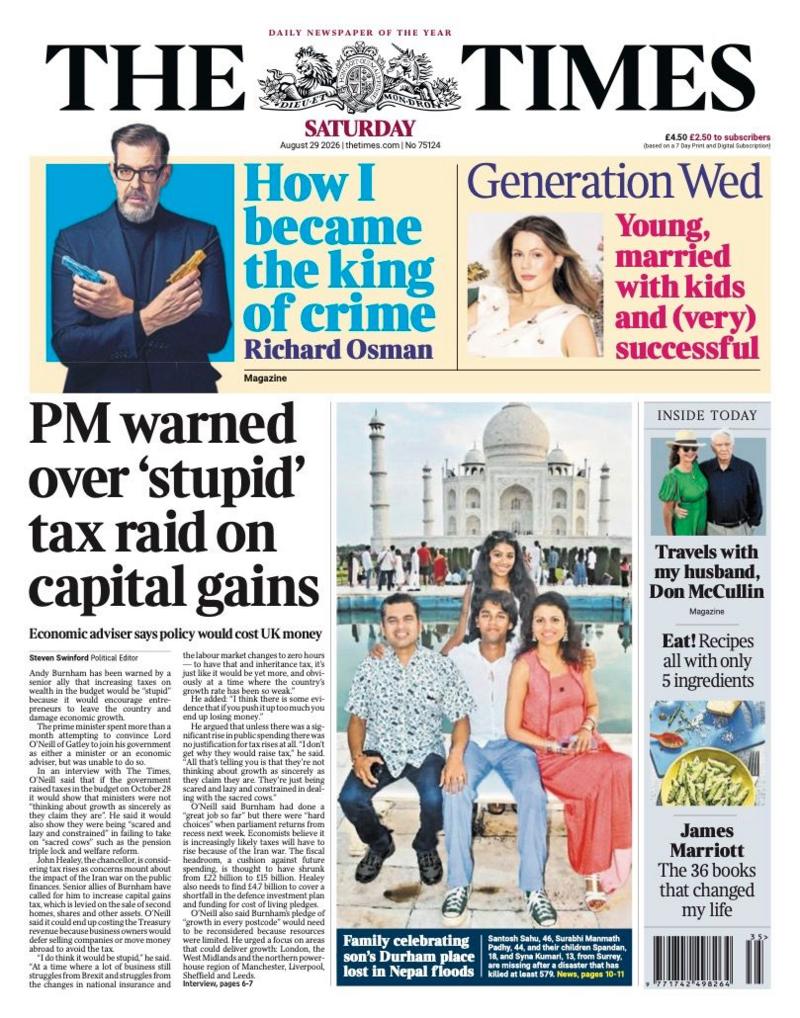
Lord Jim O'Neill, a former economic adviser, has warned that raising taxes in the Budget would signal that ministers are not "thinking about growth as sincerely as they claim they are." Senior allies of the prime minister are reportedly calling for an increase in capital gains tax, but O'Neill has cautioned that such a move would encourage entrepreneurs to leave the country. He described the prospect of tax rises as "stupid" given concerns about the impact of the Iran war on public finances. Former director of the Institute for Fiscal Studies Paul Johnson has suggested the government should aim to reduce the "huge" amount spent on benefits.
What has the King said about the A66 crash?
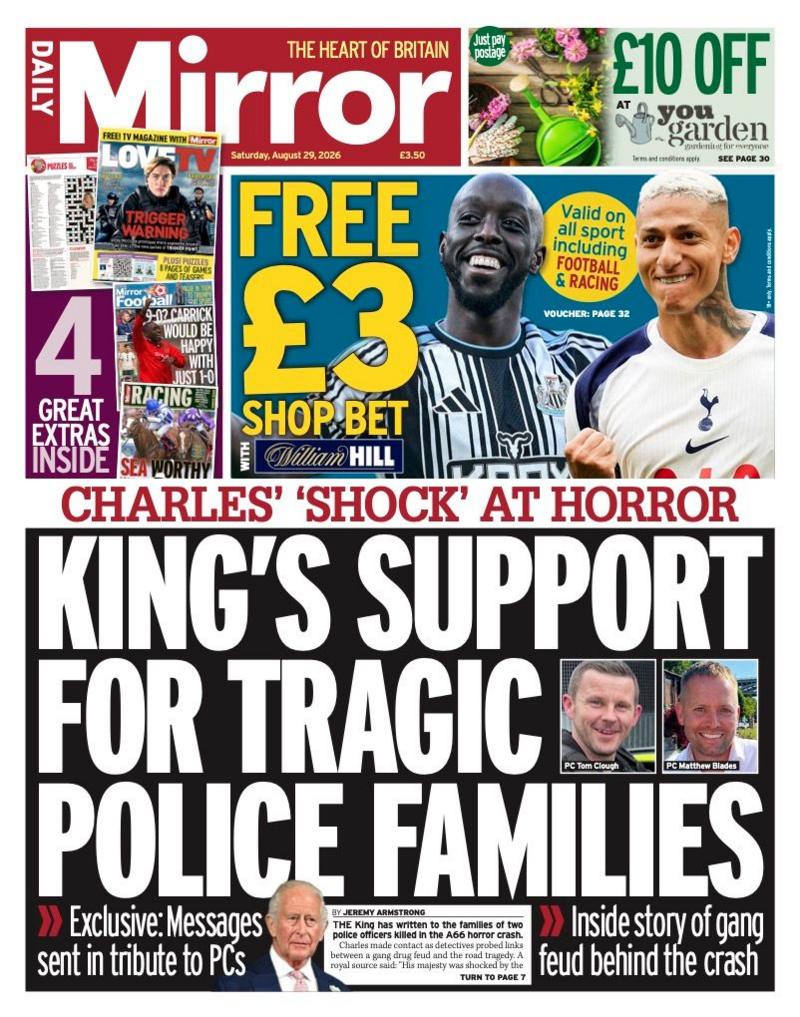
King Charles III has written to the families of the two police officers killed in the A66 crash last weekend. A royal source has described the King as "shocked by the devastating events" that claimed the officers' lives.
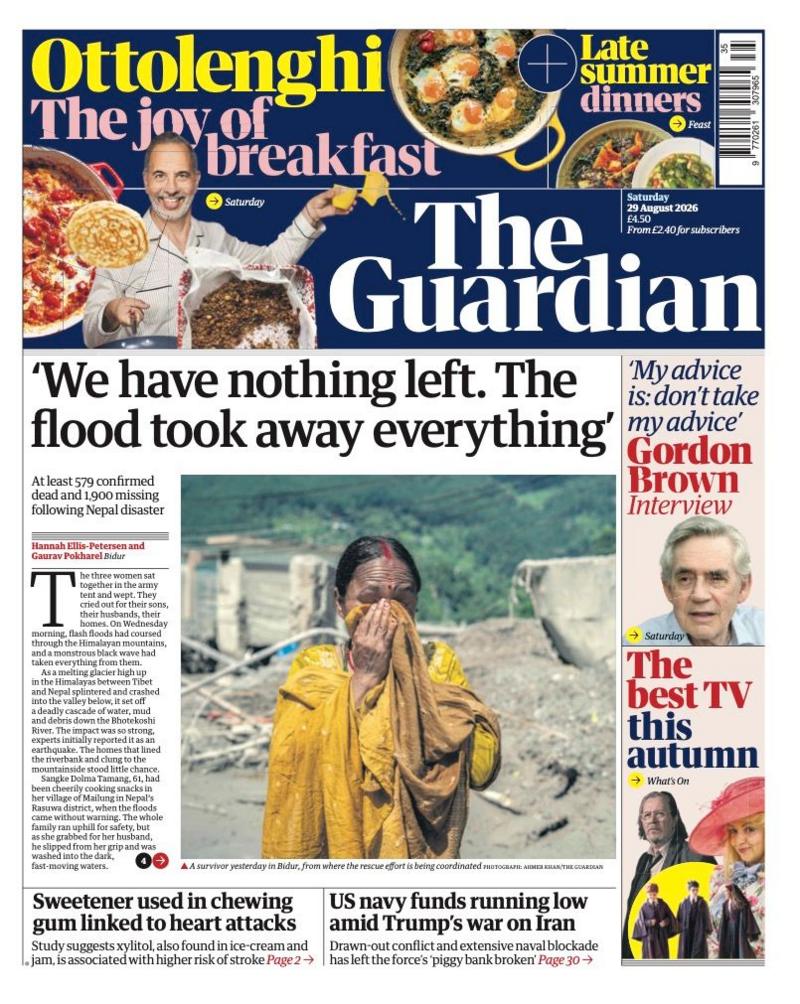
What is the situation in Nepal?
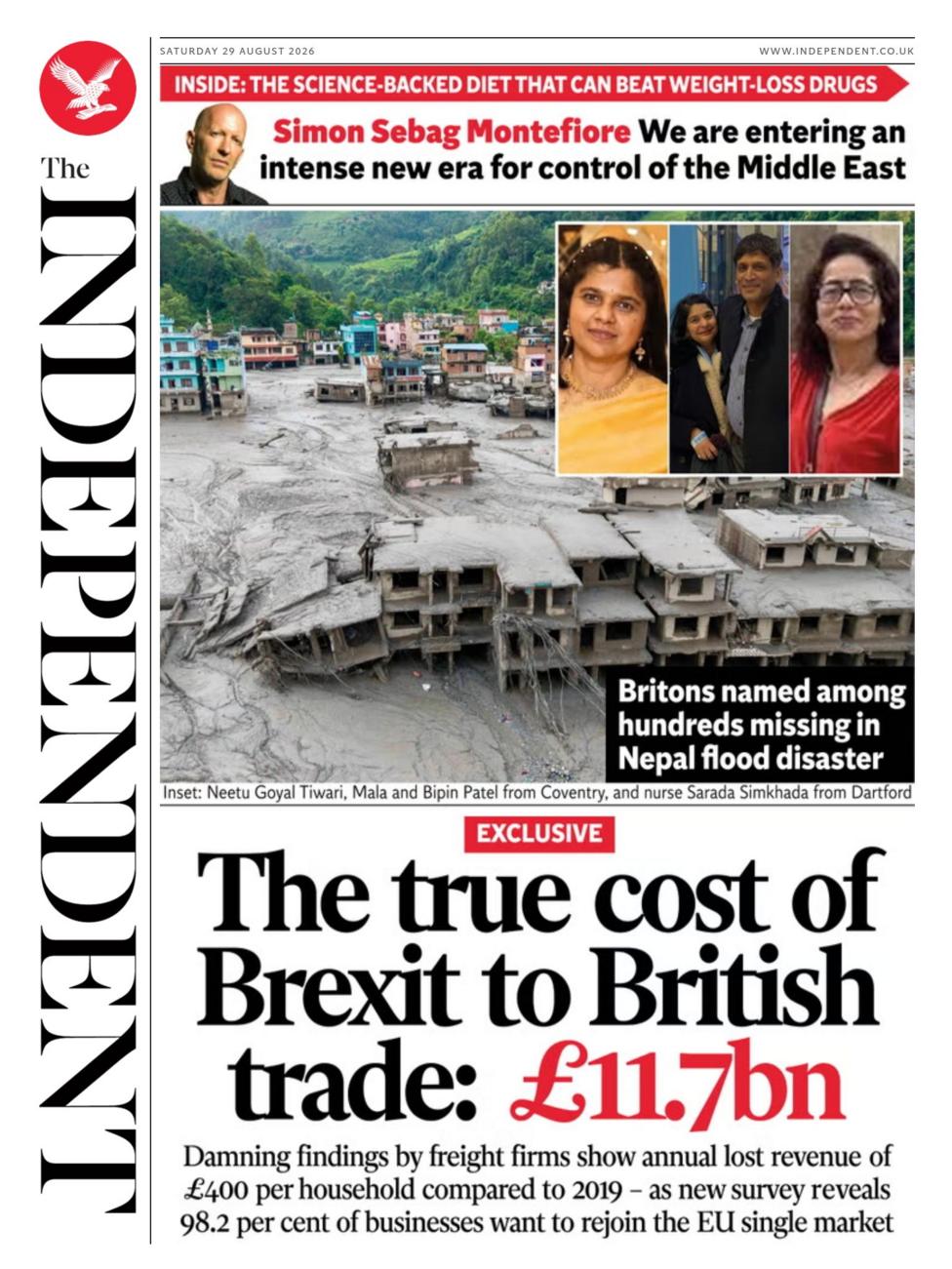
Devastating flash floods in Nepal have claimed multiple lives and displaced thousands. Coverage highlights the stories of three women who lost their sons, husbands, and homes, while countless others remain waiting for news of missing loved ones. Four British nationals are among those reported missing in the disaster.
What is the economic impact of Brexit?
Analysis of trade figures shows the true cost of Brexit to British commerce stands at £11.7bn in the red, reflecting the ongoing economic consequences of the UK's departure from the European Union.
Who is returning to the UK?
Sarah Ferguson, the former Duchess of York, is returning to the United Kingdom after a period away from the country. She had left following the emergence of emails revealing her links to disgraced financier Jeffrey Epstein earlier this year. Ferguson is renting a £10,000-a-week property in the Home Counties as she re-establishes her presence in Britain. Her return comes in the wake of the Duke and Duchess of Sussex's own return to the country. Ferguson has previously described her friendship with Epstein as a "gigantic error of judgment."

Television personality Joey Essex has made headlines with an unusual admission: he says he still cannot tell the time.

Key Facts
- The 3% defence spending target by 2030 will be deferred until a Treasury spending review next year, with no firm timeline included in the 28 October Budget
- The US is reportedly considering opposing British sovereignty over the Falkland Islands as leverage to encourage increased UK defence spending towards NATO's 5% pledge
- The government's revised trajectory aims for 2.7% of GDP on defence by 2029, with a path to 3% by 2035
- Prime Minister Burnham has committed to remaining neutral on the assisted dying vote, drawing support from campaigners backing the change
- Labour has moved ahead of Reform UK in polling, with Burnham as the only party leader with a positive approval rating