When a major artist announced a fall residency at Madison Square Garden, 43-year-old Tara Bess knew she had to secure a prime viewing position. Rather than spending hours waiting in a general admission line, Bess purchased a VIP ticket for $1,400 from a resale ticket site, which granted her early arena entry and a spot directly at the barricade.
When you're up close, you can see him closing his eyes and almost meditating to the music. You can hear the click of equipment on stage, you just feel very connected to the performance.Bess later returned to see the show a second time with her sister at a lower price point. To finance the trip from her Florida home, she took on work as an Uber driver and saved for nine months. Her commitment reflects a broader shift in how devoted fans engage with live music.
The Growing Premium Ticket Market
An expanding segment of the fanbase is now investing substantial sums in VIP packages and exclusive perks to secure prime seating and increase the likelihood of artist interaction. According to music data company Luminate, superfans—defined as those who engage with an artist through five or more of thirteen channels including concerts, merchandise, fan clubs, and social media—spend 80% more on music each month than casual fans. A 2025 Goldman Sachs report initially estimated that appealing to superfans could generate an additional $4 billion annually for the industry, with updated June 2025 projections suggesting a superfan addressable market of $4.5 billion and a $4.3 billion annual revenue uplift by 2026.
It's become more of a norm when you really want to get close to an artist. The growth of it, especially post-Covid, has been astronomical.Eddie Meehan, CEO of Please & Thank You, a VIP events company that has collaborated with artists including Robyn and Audrey Hobert, observed this transformation firsthand. Even artists who historically resisted charging fans for premium experiences have begun offering VIP packages to meet demand. These offerings typically include exclusive merchandise, meet-and-greet opportunities, or soundcheck access.
A higher percentage of VIP ticket revenue flows directly to artists compared with standard ticket sales. This income stream has become increasingly valuable as streaming has diminished traditional album sales revenue. VIP concert-ticket packages can start at $300, with an average price of $1,655, making premium experiences a significant revenue driver for performers at all career stages.
How Are Venues Responding to This Trend?
The live music industry has embraced the commercial opportunity. Some venues now offer fans the option to bypass entrance lines for an additional fee, similar to theme park fast-pass systems. At certain concerts, this has resulted in front rows populated primarily by those who paid premium prices. However, adoption varies significantly by venue type. Stephen Parker, executive director of the National Independent Venue Association, noted that the trend is more prevalent at larger, corporate-owned venues. Many independent venues remain hesitant about charging for these extras at general admission shows.
That egalitarian access for everyone is something that venues have worked really hard to preserve, and ultimately sometimes that's not compatible with the VIP experience.This tension reflects broader concerns within the live music community about maintaining fair access while capitalizing on superfan spending.
The premiumization of concert experiences has become institutionalized across major promoters. Live Nation's VIP Nation continues marketing premium packages and artist access as a core product, underscoring how central these offerings have become to the industry's business model. Tour operators now routinely bundle early entry, merchandise perks, and special access into tiered VIP offerings.
What Challenges Does Premium Ticketing Create?
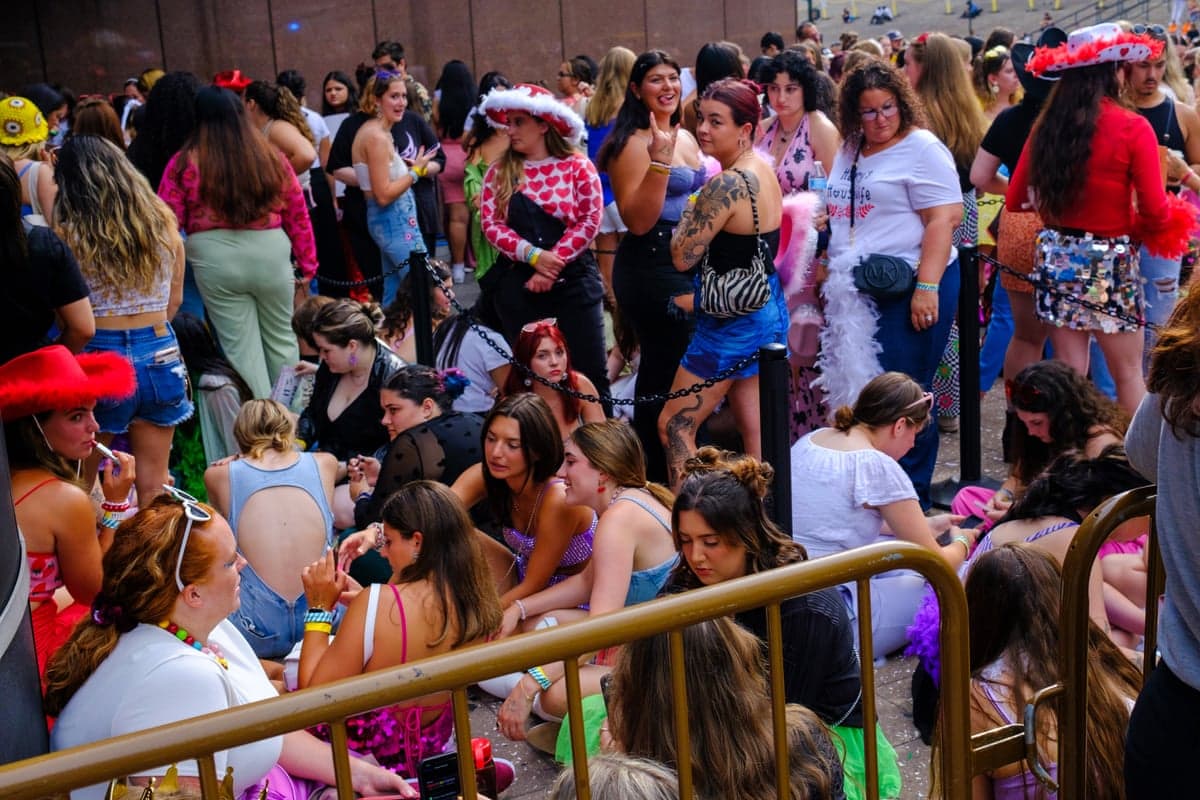
The surge in VIP demand has intensified competition for barricade spots among fans who do not purchase premium tickets. Concertgoers increasingly arrive earlier to secure front-row positions in general admission areas. Music subreddits frequently feature discussions asking what time fans must arrive to claim barricade spots, with answers varying widely. A two-hour concert can easily become an all-day commitment to secure a front-row position.

The physical toll on fans has drawn attention. In a June interview with UK radio station Kiss FM, Olivia Rodrigo described the extreme measures some fans undertake to maintain their spots.
I've been to certain concerts and certain festivals where people wear diapers so they can be front row of the show and that's been an experience that I have smelled.
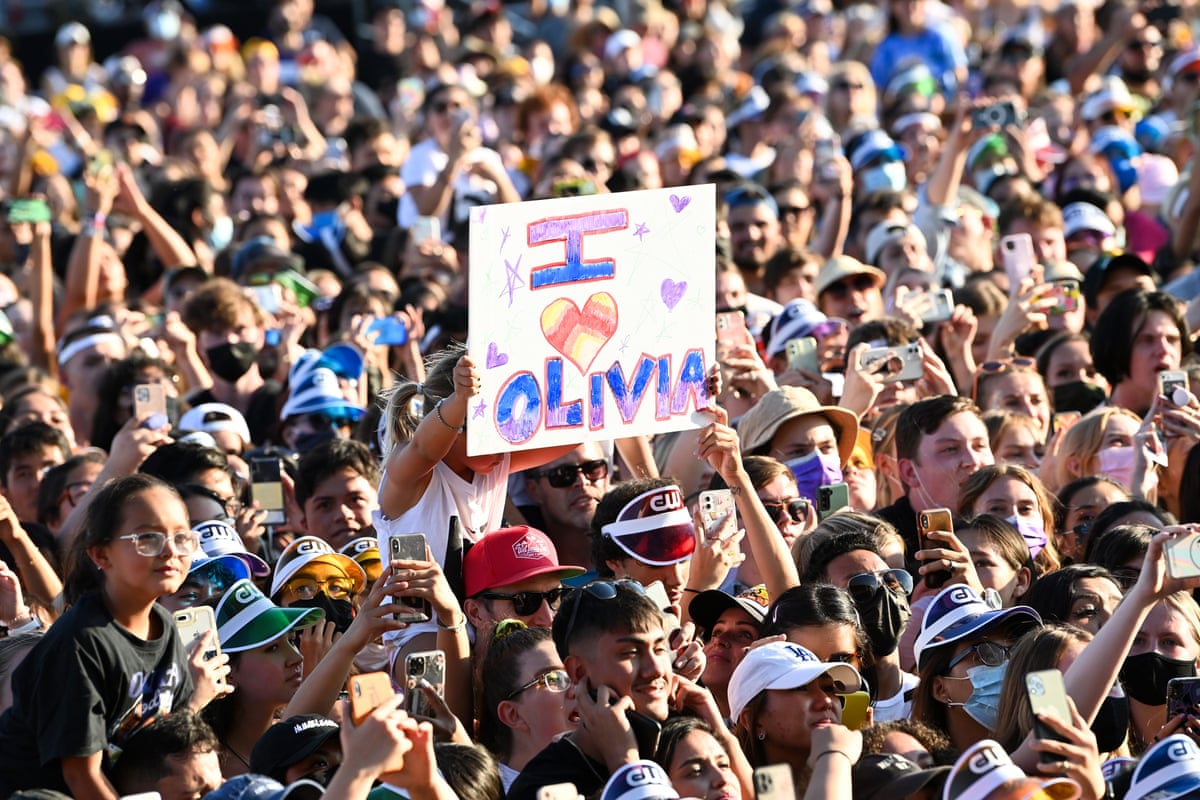
Bess acknowledged avoiding water consumption throughout the day before the Harry Styles show, fearing she would lose her barricade position once the performance began. However, she found the crowd atmosphere more welcoming than anticipated.
I was definitely expecting a much more aggressive environment but it wasn't that at all.Her experience suggests that while competition for premium spots has intensified, the social dynamics at concerts remain variable.
Why Do Superfans Invest in Premium Experiences?
For longtime fans who have developed deep connections with artists over years of following their careers, VIP tickets represent a continuation of their support and fandom. During her Freedom Tour last month, Kesha spotted a fan at the front of the crowd holding a sign indicating she had a tooth to give the pop star.
I'm gonna have to get these teeth really fast,Kesha said, pausing the show. She descended the stage steps in towering gold boots to retrieve the package.
I collect human teeth, it's not weird!she told the audience.
The tooth belonged to Holly Fisher, a North Carolina resident who has been a Kesha fan since high school. After scheduling a tooth extraction for summer, Fisher immediately decided to gift it to her favorite artist. She paid $475 for a VIP ticket that included soundcheck access and early venue entry. When doors opened, Fisher was first through and secured the center barricade position with her friends directly in front of the stage.
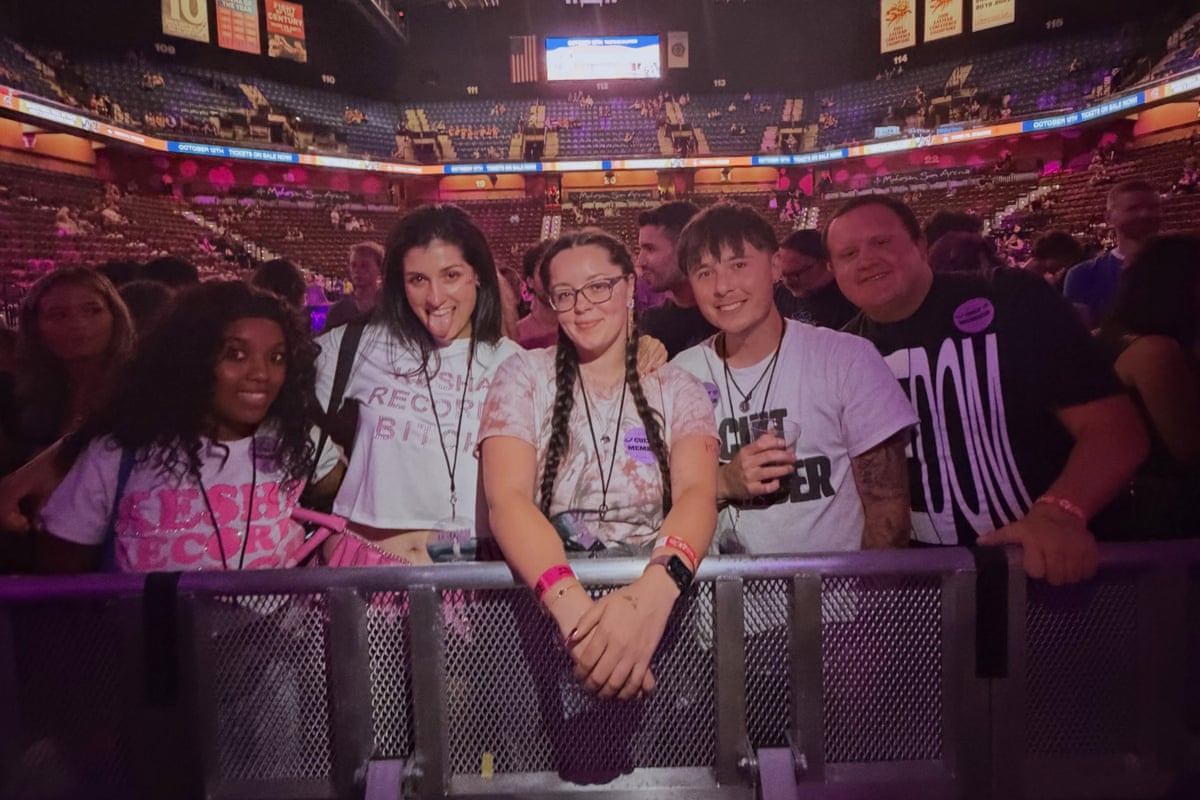
For Fisher, the front-row placement represented a full-circle moment celebrating Kesha's journey from her early career through legal disputes with former manager Dr Luke and into her current chapter as an independent artist.
It really was this full circle moment for the people who had been there since the beginning. Like holy shit, she did it, she made it out alive. I'm just so happy for her.
Similarly, Amber Harms flew to Chicago to attend two BTS shows during their summer tour, becoming a fan while the group members were completing mandatory military service in South Korea.
A lot of that connection or that ability to connect with them in an actual real world environment, wasn't something available to me at the time that I got into the fandom.On the second night, Harms spent $3,400 on a resale ticket for two front-row seats. Though she characterized the resale prices as
ridiculous, she believed the experience justified the cost.
It's wonderful to be at the concert, but if you can actually be five feet away from them, it's even better.When one band member splashed the crowd with water and tossed the bottle into the audience, Harms's mother was positioned close enough to catch it as a souvenir.
We were screaming like overexcited pterodactyls,Harms recalled.
How Is the Industry Evolving?
The concert industry continues developing new premium offerings to capture superfan spending. VIP package listings for major tours in 2026 have included "Superfan VIP" tiers and travel bundles, showing the premiumization trend remains active. Tour operators are increasingly bundling multiple access points—early entry, exclusive merchandise, soundcheck attendance, and meet-and-greet opportunities—into comprehensive premium packages.
As concert footage proliferates across social media platforms, premium tickets offer fans a way to create more distinctive experiences than simply being present in the venue. The ability to be positioned feet away from performers, to potentially interact with them, or to secure exclusive merchandise has become a defining feature of superfan engagement in the streaming era.
Randy Nichols, a longtime artist manager, explained the mutual benefit driving this trend.
Fans want to show their love and their loyalty and get to have that interaction and are more than happy to spend the money.This alignment of fan desire and artist revenue needs has transformed premium ticketing from a niche offering into an industry standard.