Finding a palatable premixed cocktail that appeals to adult drinkers remains a genuine challenge in a market flooded with saccharine, artificially flavoured drinks. The category has exploded in recent years, yet quality remains inconsistent, with many brands prioritising bright packaging and sweet fruit flavours over genuine taste and sophistication.
The stakes of testing canned cocktails became unexpectedly high when children in the household discovered how to open tins. Shelves lined with eye-catching cans decorated with parasols, palm trees and images of tropical fruits created an obvious temptation for younger drinkers. Premixed cocktails are disproportionately marketed toward young consumers – functioning as gateway drinks much like Bacardi Breezer pineapple once did – and their one-dimensional, overly sweet profiles often mask or completely eliminate the flavour of the base spirits. These drinks make it disturbingly easy to forget that alcohol is present at all.
The market for canned cocktails has grown dramatically. According to industry analysis, consumers purchased more than three times the volume of premixed cocktails in 2026 compared to 2020, with the category continuing to expand strongly. A 2026 drinks review involving WSET-trained tasters sampled 76 canned cocktails, illustrating how crowded and competitive the segment has become. Spirits-based ready-to-drink cocktails grew 16.4% year on year to reach $3.8 billion globally, making the category the only major spirits segment showing growth.
Why do we drink alcohol in the first place?
Testing premixed cocktails forces a confrontation with a fundamental question about drinking itself. In teenage years, alcohol served a functional purpose – loosening inhibitions and enabling social enjoyment. A saccharine alcopop masked the taste of rum for an uninitiated palate and aligned with youthful preferences for sweetness. Two and a half decades later, the relationship with drinking has transformed entirely. A mature palate now seeks nuance and complexity; alcohol is consumed to savour it, and the experience should provoke thought without demanding labour. The drink itself matters, and quality becomes paramount.
Which canned cocktails actually taste good?
Several premixed options deliver genuine interest and sophistication. The Reina Mezcalita exemplifies what works: smoky mezcal paired with zippy lime soda creates a genuinely delicious experience, one that tastes equally good sipped from a glass rimmed with salt at home or consumed directly from the can in a park setting.
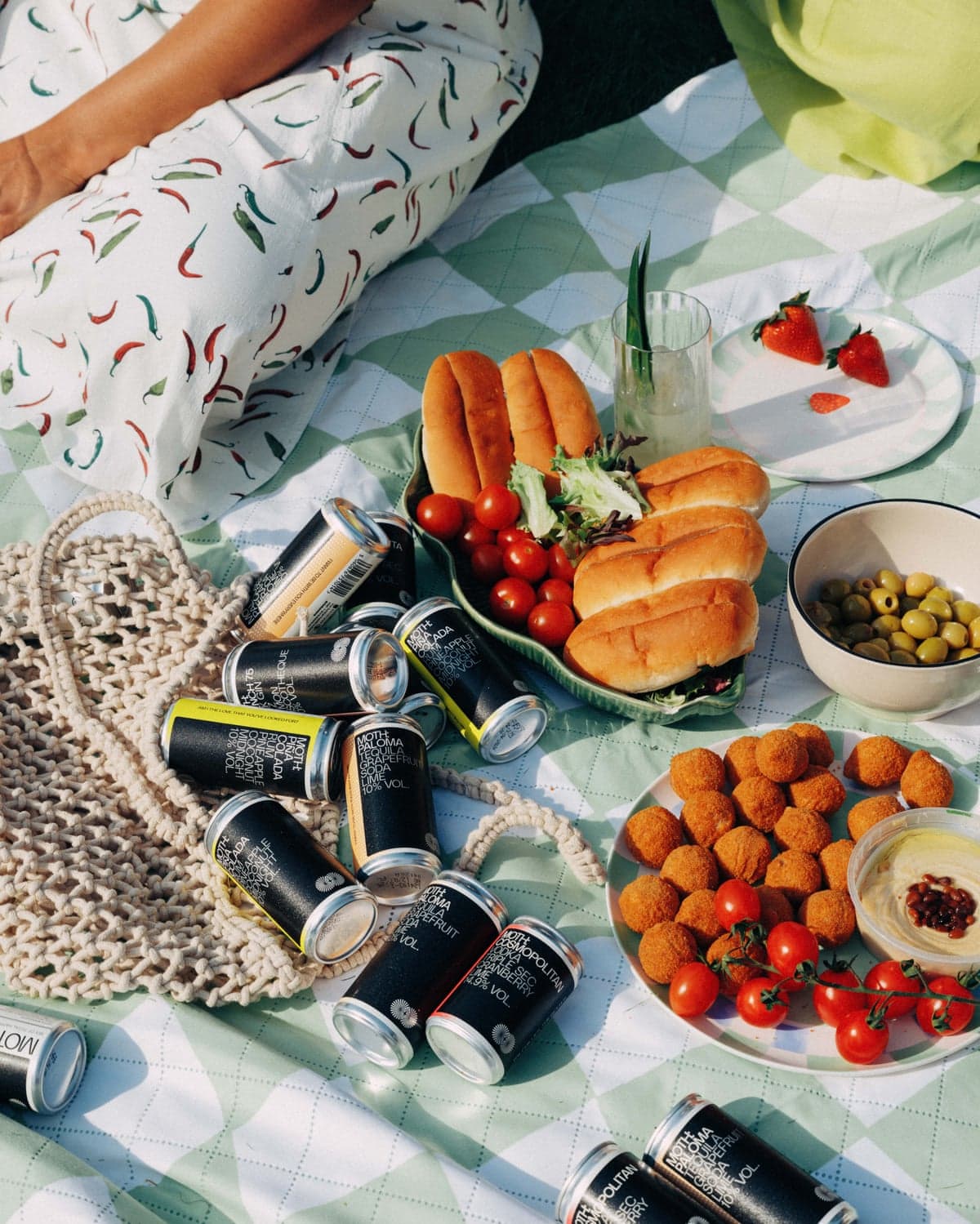
Whitebox and Moth both produce accomplished iterations of premixed drinks in reassuringly small, potent formats, widely stocked in supermarkets and feeling noticeably more grown-up than mass-market alternatives. Their higher alcohol by volume (ABV) is perceptible on the palate, and in the premix realm, quality consistently aligns with stronger ABV.
Marks & Spencer operates the widest own-brand selection, with variable quality across the range. However, its premium Served line demonstrates considerably more character and acidity – a desirable quality – than competitors. The mojito and lychee martini from this range particularly impressed. The retailer has marked 40 years since launching the UK's first supermarket canned cocktail, celebrating the milestone with limited-edition retro gin and tonic releases and additional new ready-to-drink products. The chain sells approximately 150 cans per minute during summer weekends, and its canned cocktail range encompasses more than 40 varieties, starting at £2.50 each.

Spritz cocktails perform particularly well in canned format. Aperol Spritz To Go represents everything the category should deliver: failsafe, bittersweet, and utterly dependable – it does precisely what the packaging promises.
What about sustainability concerns?
While the canned cocktail category expands, environmental questions linger. Some brands have faced scrutiny over packaging claims; for instance, BuzzBallz packaging has been described as unrecyclable by experts despite the brand's website claims, with the plastic-and-metal format unable to be recycled in the UK. Consumers seeking premium canned cocktails should consider the environmental footprint of their choices.
Five canned cocktails worth trying
Whitebox Cosmo, 16.8% ABV. Vodka, cranberry, lime and triple sec combine in a cosmopolitan that signals the drink's comeback. This version merits attention.
Reina Mezcalita, 10% ABV. Smoky and citrussy, this emerged as the standout favourite across the tasting.
M&S Served Mojito, 8% ABV. Unlike the retailer's budget-range premixes, this option demonstrates genuine complexity. Rum, mint and lime work in concert rather than as separate elements.
Aperol Spritz To Go. Inarguably effective and utterly reliable. The tin delivers exactly what the label indicates.
Moth Mango Margarita. Ripe mangoes meet Tequila Enemigo and triple sec in a combination that is entirely appealing.
What happens next in the canned cocktail market
The category shows no signs of slowing. A February 2027 launch is scheduled for the Happy Dad Hard LemonADE Variety 12-Pack, which will introduce four lemonade flavours to the expanding ready-to-drink cocktail landscape. As canned cocktails have moved from niche to mainstream in Britain, supermarkets, convenience stores and specialty brands continue to expand beyond basic gin-and-tonic formats, suggesting that quality options will become increasingly available to discerning drinkers.