Former President Donald Trump's announcement of a $5,000 "Trump dividend" for every American citizen contingent on Republican control of Congress following November's midterm elections has provoked sharp criticism from economists, Democratic leaders, and even some Republicans who question its feasibility and fiscal impact.
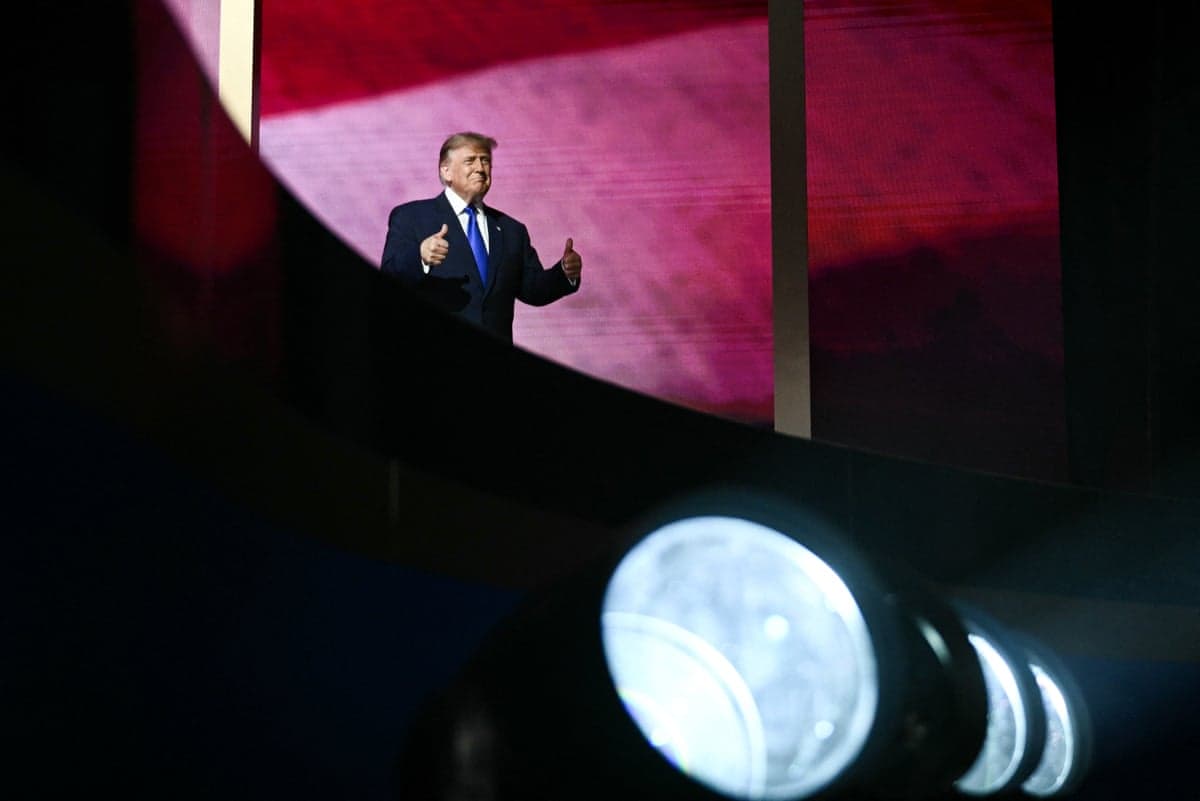
Trump made the pledge during an address at the Republican midterm convention in Dallas, framing the payment as a reward for voter support.
"If the win, you win with us and you get $5,000," Trump said. "It will be called the Trump dividend."The convention, held at the American Airlines Center, represented an unusual political gathering; unlike traditional presidential-election-year conventions, the Dallas event had no formal business to conduct, and was scheduled to run on Wednesday and Thursday less than two months before the November 3 elections.
The proposal immediately drew scrutiny over its cost and feasibility. With approximately 240 million adult citizens in the United States, the total expenditure would reach roughly $1.2 trillion annually. Marc Goldwein of the Committee for a Responsible Federal Budget calculated the impact swiftly.
"This would cost about $1.2 TRILLION in just one year. That's more than ALL THREE ROUNDS of COVID relief checks, despite no recessions. The result would be a huge spike in the deficit, and almost certainly in the inflation rate."
The timing of Trump's announcement comes as the nation grapples with mounting fiscal pressures. The federal government spent approximately $7 trillion in fiscal year 2025, with roughly $2 trillion added to the national debt during that period. The US national debt has become a focal point of economic concern in recent months.
How would the government pay for this?
Republican skeptics have questioned the mechanics of funding such a massive expenditure. Chip Roy, a Republican representative from Texas, expressed doubt about the proposal's viability.
"Well – I would like to know how they would plan to pay for … back of envelope … well over $1tn,"Roy said when asked about the pledge.
The Democratic National Committee pointed to Trump's track record on similar commitments, noting unfulfilled promises ranging from $5,000 stimulus checks tied to the so-called department of government efficiency to $2,000 payments funded through tariff revenue. Kendall Witmer, the committee's rapid response director, dismissed the latest proposal as another empty promise.
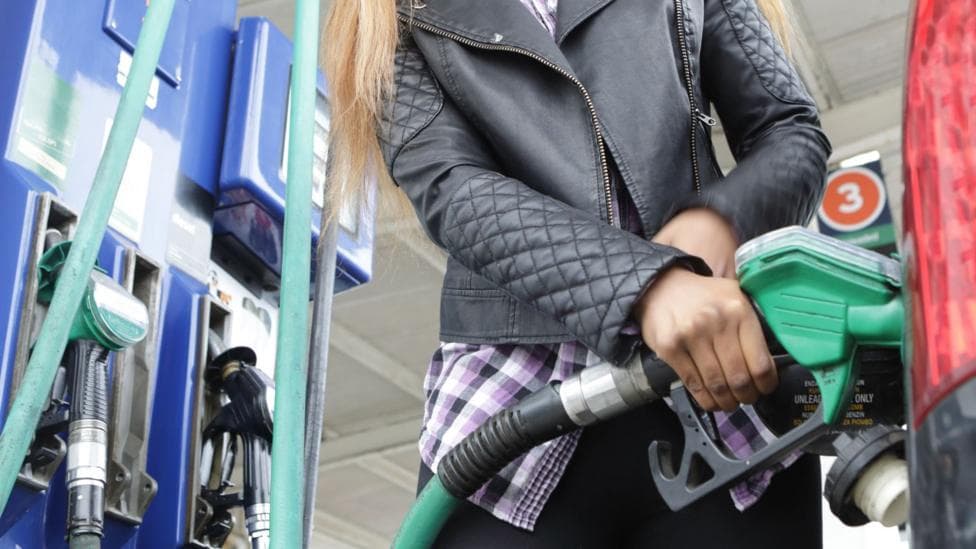
"Donald Trump and Republicans are once again offering empty promises to Americans. The only people reaping the benefits of Trump's economy are himself, his family, and his ultra-rich elite donors. Meanwhile, working families get nothing except sky-high receipts at the grocery store and the pump, unaffordable healthcare premiums, and wages that aren't keeping up with inflation."

Tariff revenue, which Trump has cited as a potential funding source, falls far short of what would be needed. The Bipartisan Policy Center has been tracking tariff revenue since Trump began raising rates in 2025. As of September 8, the US had collected approximately $210 billion in tariff and excise tax revenue in 2026. At that collection rate of roughly $21 billion per month, the federal government would need to collect tariffs for nearly five years to cover a single $5,000 payment to all citizens, assuming every dollar of tariff revenue went toward the payment and accounting for tariff refunds issued in legal challenges.
What are economists saying about the fiscal impact?
Financial markets have already begun reacting to Trump's pledge. Peter Schiff, chief economist for Euro Pacific Asset Management, warned that the announcement itself poses risks to economic stability.
"Even though bond investors know that, even in the unlikely event Republicans retain control of the House, Trump's promise to borrow over $1 trillion more to buy votes won't be kept, the promise itself is so reckless that they're dumping Treasuries, sending yields to new highs. Making his promise even worse, Trump referred to his $5,000 bribes as 'dividends', as if his policies had been so successful that the US now has surpluses to share. Instead, his reckless policies have produced massive deficits. Trump needs to send Americans bills, not checks."
Democratic leaders have characterized the proposal as an attempt to purchase electoral support. California Governor Gavin Newsom issued a sharp rebuke.
"After making you sicker and poorer with his war, Donald Trump now wants to buy your vote with $5,000 in taxpayer-funded blood money. The most corrupt man ever to occupy the Oval Office."
What is the Republican response?
Responses within the Republican Party have been mixed. Vice President JD Vance appeared to modify Trump's pledge, suggesting that any benefit would be means-tested, limiting eligibility based on income levels. However, Senator Bernie Moreno of Ohio expressed enthusiasm for the proposal.
"I will get a bill ready so that we can get the Trump Dividend passed immediately after the November 3rd election,"Moreno wrote on social media.
The convention itself reflected broader Republican strategy heading into the midterms. Republicans viewed the Dallas convention as both a rally and a rescue mission amid voter frustration over the economy and the Iran war. The party framed the event as a mechanism to energize supporters and help Republicans avoid the historical pattern of the White House party losing seats in midterm elections.
Trump was scheduled to speak on both nights of the convention after the party expanded his role in the Dallas event, with other announced speakers including Treasury Secretary Scott Bessent, Attorney General Todd Blanche, Health Secretary Robert F. Kennedy Jr., and Donald Trump Jr. Vice President Vance was also set to deliver remarks as a headline speaker.
What happens next?
The Republican midterm convention was scheduled for September 9-10, 2026, with Trump delivering closing remarks on Thursday night. The November 3, 2026 midterm election represents the next major electoral deadline, where voters will determine control of Congress and decide whether Trump's pledge becomes a central campaign issue or fades from political discourse.