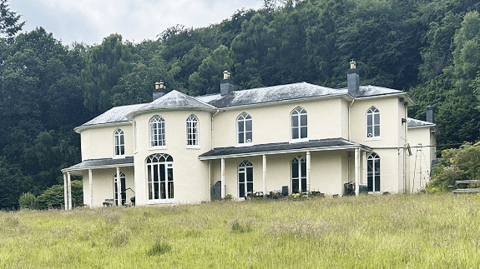
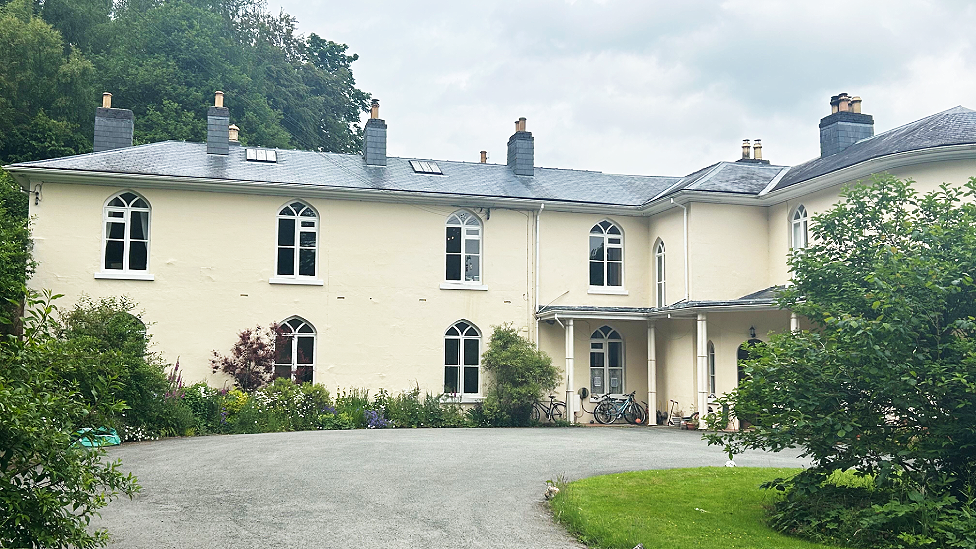
Living in a Georgian stately home with 15 acres of grounds typically requires a substantial inheritance or lottery fortune. Yet residents of Dol-llys Hall, situated on the outskirts of Llanidloes in Powys, have achieved this through an entirely different model: cooperative community living.
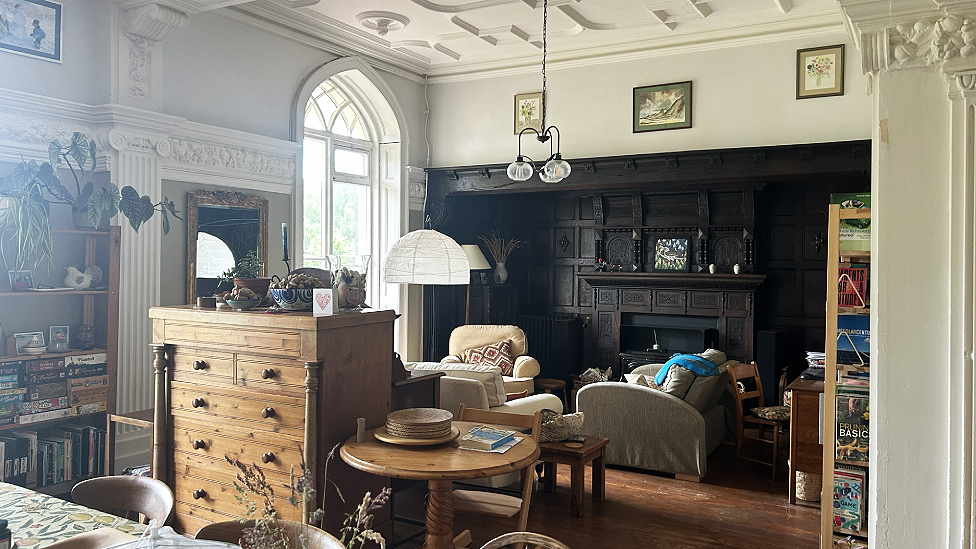
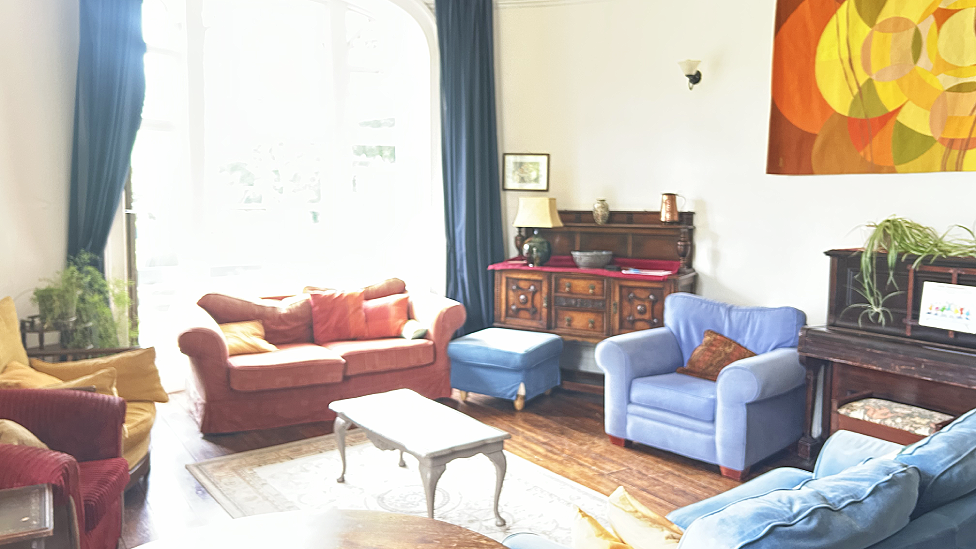
The Grade II* listed building, constructed between 1808 and 1813 by George Mears as a picturesque Gothic country house, now accommodates ten residents across seven private flats alongside shared communal spaces, washing facilities, and a collective heating system. Rather than individual ownership, members purchase shares in the cooperative and pay monthly service charges for group expenses and maintenance projects.
The cooperative structure was formally established in 1992, making Dol-llys one of Wales's pioneering examples of co-housing. According to the Confederation of Co-operative Housing, the community remains an active member in 2026, demonstrating the longevity of the model. The building sits within extensive wooded grounds featuring a lake, providing residents with substantial outdoor space to steward collectively.
How does the cooperative structure work?
Membership operates on a loan stock basis with all residents holding equal shares in the community. A current share costs £230,000, granting the right to occupy a two or three-bedroom flat—a figure substantially higher than comparable local properties, which range from approximately £110,000 to over £250,000. When residents depart, the cooperative calculates a fair percentage increase based on national and local house price trends, ensuring equitable value distribution.
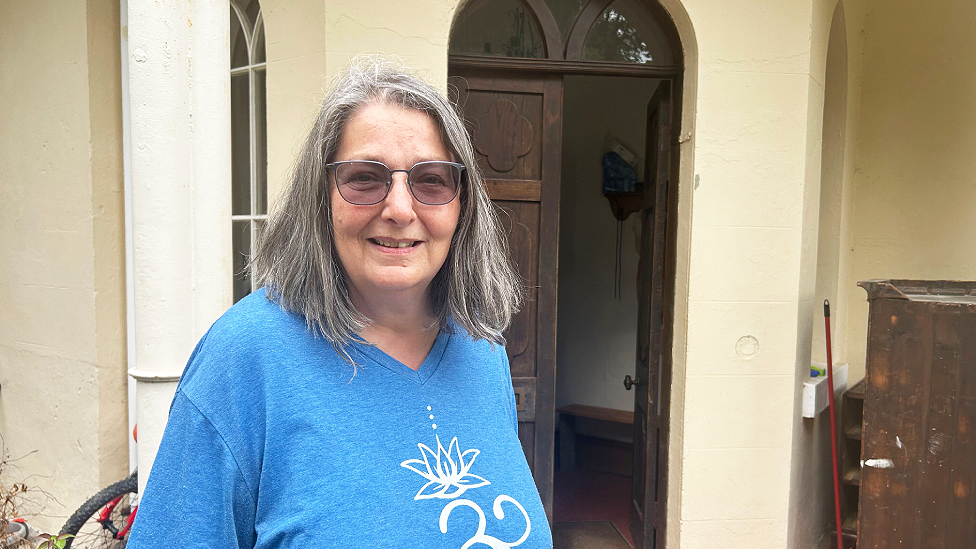
All major decisions proceed through consensus, a process that Louise Robinson, one of the longest-serving residents, acknowledges requires adjustment.
"You have got a ready-made village mentality where people just help each other out,"she explains.
"There's six other flats going 'what can we do?' And that means a lot."
Robinson emphasizes that the arrangement differs fundamentally from a commune.
"We term ourselves as co-housing, because we all have our separate flats. We share the grounds, we share the common rooms, we share responsibilities and decision-making, but we all have our front doors, which I think is important to everybody who chooses to live here."
What attracts residents to this model?
Robinson first discovered Dol-llys after redundancy from her London insurance position prompted a permanent relocation to rural Wales.
"I'm a single person, so moving to a country village on your own is not that easy,"she recalls. After investigating several intentional communities, she rejected options offering only bedrooms with shared common areas, finding Dol-llys's balance of privacy and community ideal.
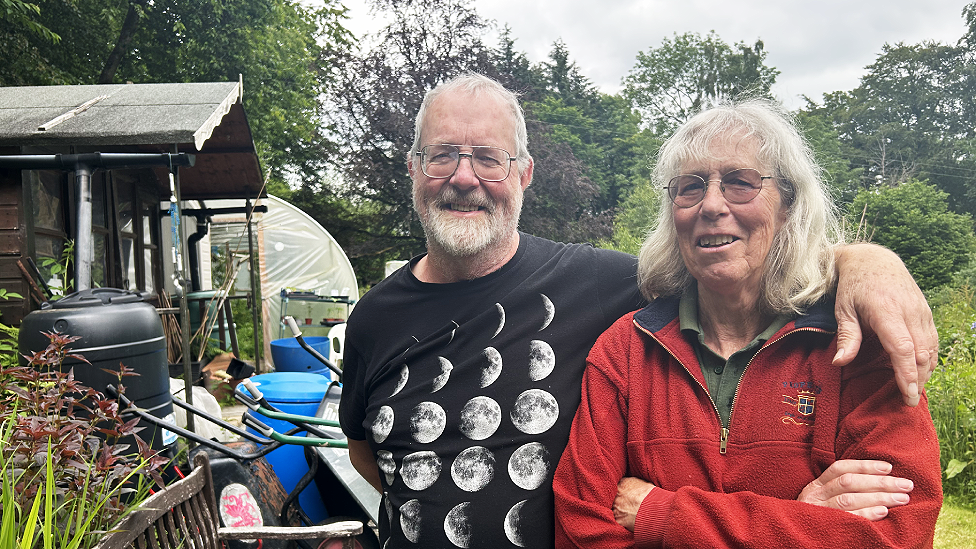
Ken O'Brien and Susan Lancaster, both 70, sought cooperative living during retirement. Having previously lived in a religious community, O'Brien valued Dol-llys's established track record.
"There were new ones, one that had high turnovers, ones that had a specific ethos, which this one didn't. It seemed mature, professional. People were organised. It was stable and well-run."Susan adds:
"The house was in a very good state as well."O'Brien further notes:
"We have common interests so we can do things together. But it's also the communal project – we're looking after the house and the grounds. We've got projects like growing so we like to think we can be a bit more resilient."
Jemma, 36, originally from Birmingham, and her partner Yiannis had consistently pursued alternative living arrangements. They met at Brithdir Mawr community in west Wales, subsequently lived on a houseboat and at another community in Meifod, Powys, before securing Dol-llys's sole rental unit.
"We were both always seeking an alternative but for us, especially in our early 20s, it was a really good way to get access to different role models, different ways of thinking. Things like permaculture, nature, those weren't necessarily things that we had time for or access to,"Jemma explains.
"As well as all the benefits from working on projects and having your home life be quite vocational, it can be very practical as well. It can be a way to have a better quality of life."
Jemma works in healthcare with a 40-minute commute to a larger town, while Yiannis is a support worker. A common thread among residents involves current or former employment in health, education, and public sector roles.

What are the practical commitments?
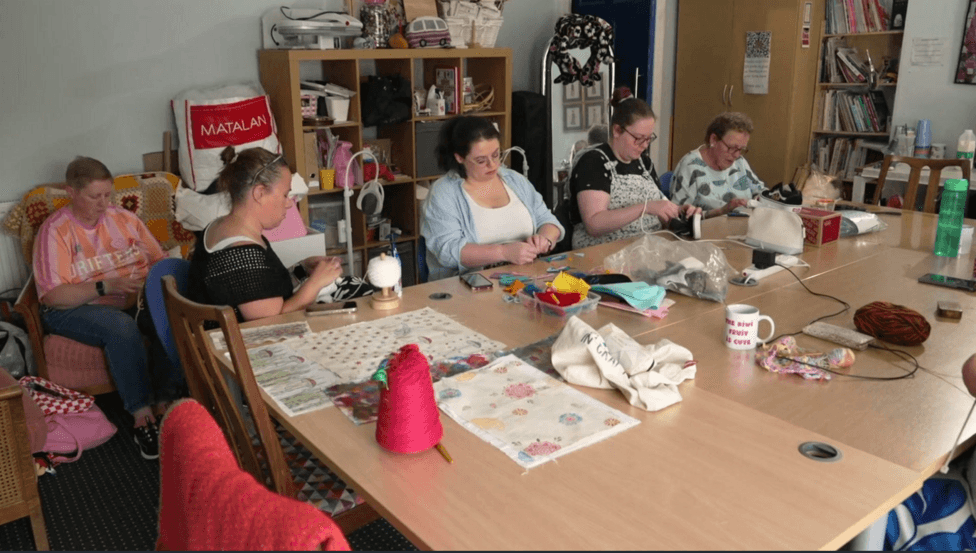
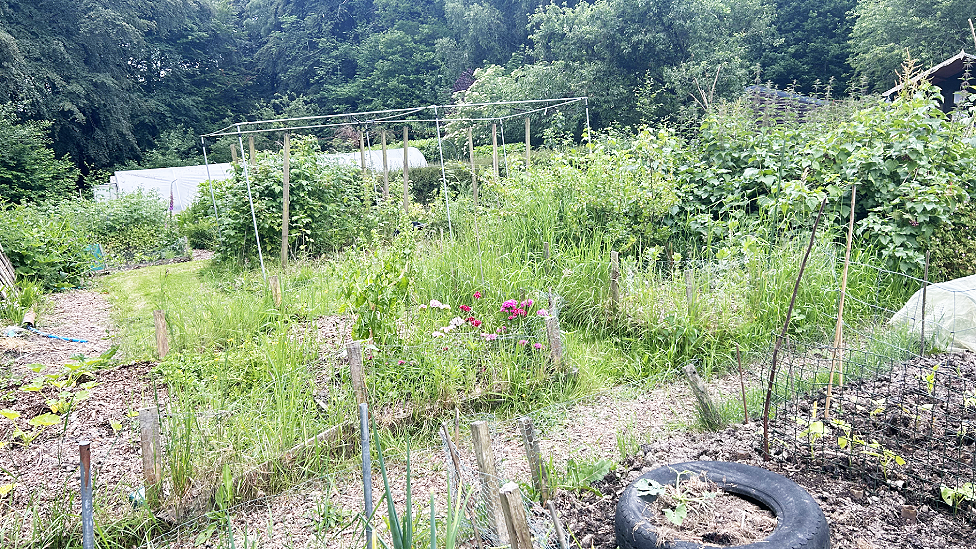
Residents must dedicate a minimum of one work day monthly, at least one half-day to gardening maintenance (distinct from personal plots), and a half-day processing wood for the communal boiler. The hall operates a wood-fired heating system supplemented by solar panels, with residents billed according to consumption. New members receive training in necessary skills upon arrival.
Robinson reflects on her transformation:
"I've got a chainsaw man turning up today to sell me a new one. I never thought I'd be doing that when I lived in London."
How does the community engage with the wider area?
Dol-llys extends its resources beyond resident membership. The hall offers free allotments to local residents in exchange for assistance during work days, hosts open days, permits community groups to use communal rooms for activities including yoga classes, and recently organized its inaugural board games weekend. The residents even donated the venue free of charge for a friend's wedding celebration.
The community has recently hosted volunteer workers from the Worldwide Opportunities on Organic Farms (Wwoof) organisation, providing free board and lodging for two weeks while participants assist with grounds projects and develop practical skills.
How is the community evolving?
Residents currently range from seven to 70 years old. This summer, the demographic composition will shift toward younger families as two older members depart and two families with three children aged six to twelve relocate to the property. Jenny Kincova, 64, the longest current resident at nine years' tenure, represents one of those leaving. She explains her initial motivation:
"I was on my own. My girls had left home. I didn't just want to move to a place and not know anyone. Once I moved here, I was really excited by the prospect of communal decision-making and cooperative community living."
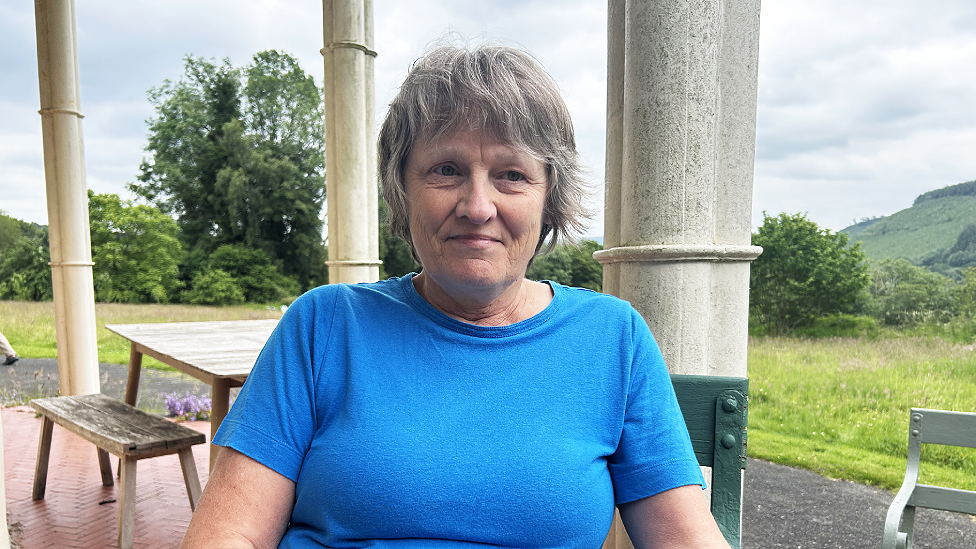
Despite continuing to value the communal aspect, Kincova finds the emotional demands of collective decision-making increasingly taxing.
"I don't want to lose contact with here at all. As you can see, we still get on, it's not about that at all. It's just about change again. I'm not going to have all this space and I'm not going to live in a listed building."Like several previous residents, she plans to relocate to Llanidloes itself.
Prospective members undergo a four-stage application process. Robinson emphasizes the importance of thorough vetting:
"We know that the more effort we put into the application process, the better chance it's going to work and it's going to be a good fit."
What is the broader significance of this model?
According to a 2019 report on Welsh co-housing, Dol-llys represents one of the country's early examples of the cooperative ownership model, where members purchase shares rather than individual properties. The hall originally functioned as a regency country house before serving as a residential home for older people for several decades prior to its transformation into a co-housing community.
Robinson articulates the philosophical foundation underlying the community's appeal:
"I personally think it's the way to go with the way the world is going. Just affordability, resource-wise, just caring for each other."Jemma adds perspective on shifting social attitudes:
"More people are becoming aware of [co-housing] and educated about it now. And actually, living alone in a box is probably more new in society."
While environmental stewardship and sustainable living remain central to the community's values, residents consistently emphasize that human connection ultimately binds the group. The combination of private domestic space, shared responsibility for extensive grounds encompassing eight acres of woodland, a lake, and productive growing areas, alongside genuine neighborly interdependence, creates what many describe as an achievable alternative to both isolated homeownership and fully communal living arrangements.