Supermac's, the Irish fast food chain, has lost its latest appeal against McDonald's in a dispute over trademark rights within the European Union, with the bloc's intellectual property regulator ruling in June 2026 that the Galway-based chain's branding is too similar to the Big Mac name. The European Union Intellectual Property Office's (EUIPO) board of appeal found that both English and German speaking consumers could confuse Supermac's logo and signage with the Big Mac trademark. The decision has no bearing on Supermac's ongoing operations within Ireland itself.
Supermac's had been contesting an earlier finding, issued the previous year, which concluded that granting the chain an EU-wide trademark registration would create a genuine risk of consumer confusion with McDonald's established brand. The Irish company first lodged its trademark application with the EUIPO back in May 2016, only for McDonald's to object on the grounds that Big Mac had been a registered trademark for meat sandwiches across the bloc since December 1998.
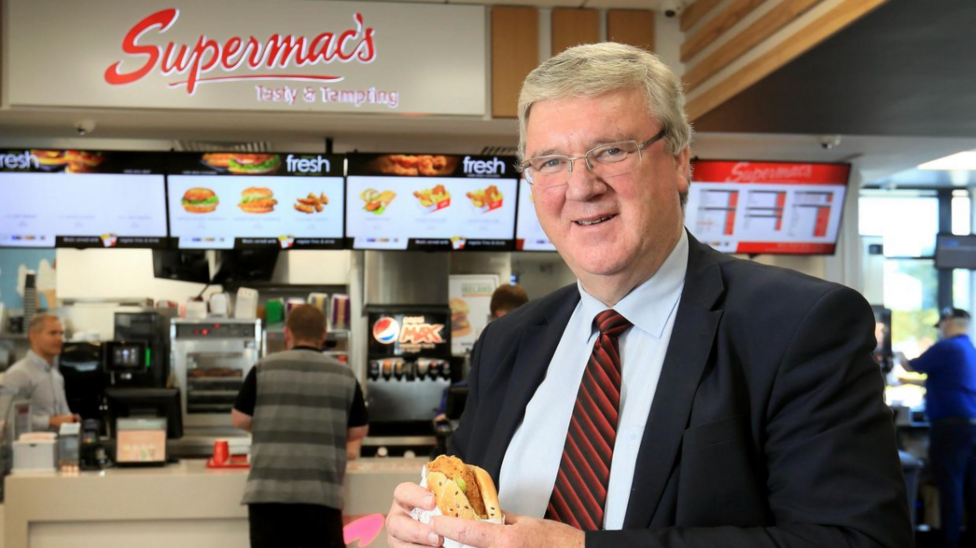
Founded in Galway in 1978 by Pat McDonagh, Supermac's used its June appeal to argue that it had operated alongside McDonald's in Ireland for roughly four decades without a single documented instance of customer confusion between the two brands. Lawyers for the chain contended that no reasonable member of the public would walk into a Supermac's outlet expecting to buy a Big Mac burger.
"That proposition is fundamentally inconsistent with the opponent's own evidence, which seeks to establish that Big Mac is almost universally recognised as a product of McDonald's. There is no possible scenario where this might occur."
McDonald's rejected the relevance of the two chains' peaceful coexistence in Ireland, insisting the real question before the EUIPO was whether a conflict existed at the EU level as a whole. The American fast food giant further argued that shoppers would not automatically be able to distinguish a food product, in the case of Big Mac, from a restaurant chain's name, in the case of Supermac's.
"The boundaries between food products… and… a restaurant name, are blurred in the perception of the relevant public."
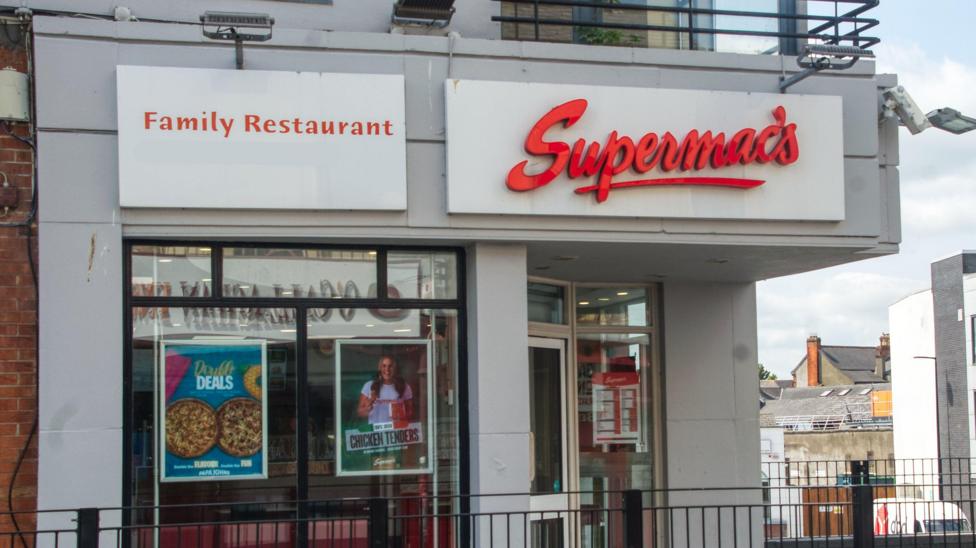
In its ruling, the EUIPO board of appeal noted that public awareness of the Big Mac trademark was extremely high and that it carried an enhanced degree of distinctiveness for meat sandwiches, built up through years of intensive use and recognition across the EU market. The board reasoned that the more distinctive a trademark becomes, the higher the risk of confusion with similar names, meaning the likelihood of mix-ups could not be dismissed in this case.

"It cannot be excluded that the contested sign may be perceived by the relevant public as a sub-brand or a variant of the earlier mark for another (new/enhanced) line of meat sandwiches."
The board also found that the two names shared a common semantic link capable of suggesting an association in consumers' minds, and stressed that evidence of peaceful coexistence in a single member state, such as Ireland, was insufficient given that the Big Mac trademark is protected uniformly across the entire EU.
How did this dispute reach the EUIPO in the first place?
The roots of this clash stretch back further than the current appeal. Supermac's filed a separate cancellation action against McDonald's at the EUIPO in 2018, a move that eventually triggered a partial revocation of McDonald's rights and years of subsequent legal wrangling, according to reporting on the case. The EUIPO's board of appeal had in fact already partially sided with McDonald's back in December 2022, before Supermac's escalated matters to the EU's General Court, according to legal industry analysis.
That General Court challenge produced a significant win for the Irish chain. On 5 June 2024, the court ruled that McDonald's had failed to prove genuine use of the Big Mac mark in connection with chicken sandwiches, poultry products, and certain restaurant and drive-through services, resulting in a partial annulment of the earlier EUIPO decision, according to the Court of Justice of the European Union. Judges found that McDonald's had not submitted sufficient evidence covering the volume of sales, length of use, or frequency of use required to substantiate genuine commercial use of the mark, narrowing the trademark's protection specifically to meat sandwiches and similar meat-based prepared foods rather than the wider restaurant-service scope McDonald's had sought.
As a result, McDonald's forfeited its EU trademark rights over Big Mac as applied to poultry-related products, while retaining protection for its original beef burger offerings, according to a financial news report. Supermac's founder Pat McDonagh reacted to that 2024 ruling by saying the company was "thrilled" with the revocation, according to the same report.
This is not the only recent case in which a major brand has fought to defend how consumers interpret its product naming. In a separate dispute, Oatly recently lost a UK Supreme Court case over its attempt to trademark and use the phrase "post-milk generation," with the court reaffirming that the term "milk" applies exclusively to animal-derived products.
What happens next?
Despite the setback for Supermac's in this latest appeal, the broader legal contest between the two chains does not appear to be fully settled. McDonald's retains the option of seeking further appeal of the General Court's 2024 ruling before the Court of Justice of the European Union, subject to being granted leave to do so, according to legal commentary published after the judgment. Whether either side pursues further action in the wake of this most recent EUIPO board of appeal ruling remains to be seen.
Key Facts
- The EUIPO board of appeal ruled in June 2026 that Supermac's branding is too close to the Big Mac trademark for English and German speaking consumers.
- McDonald's has held an EU trademark on Big Mac for meat sandwiches since December 1998; Supermac's first applied for its own EU trademark in May 2016.
- Supermac's was founded in Galway in 1978 by Pat McDonagh.
- A separate 2024 EU General Court ruling stripped McDonald's of Big Mac trademark rights over chicken and poultry products, while it retained rights for beef burgers.
- McDonald's may still seek leave to appeal the 2024 General Court ruling to the Court of Justice of the European Union.