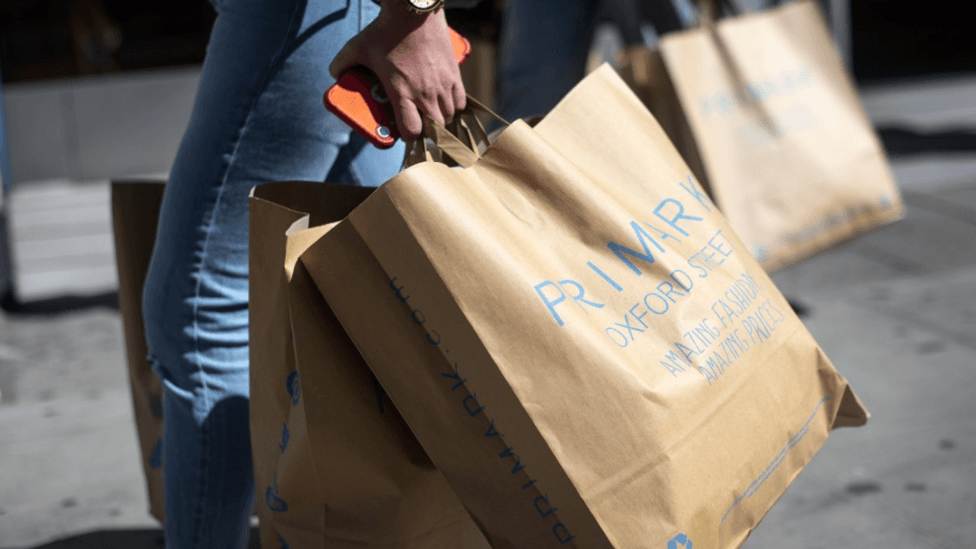
Primark is moving deeper into e-commerce by establishing a home delivery service across Britain, marking a significant expansion four years after the fashion retailer first ventured into online sales.
The company has acquired a fulfilment facility in Sheffield to support the new service, enabling it to dispatch products directly to customers' homes rather than requiring them to collect purchases in store.
Primark's online journey began in 2022 with a click-and-collect model, which allowed shoppers to order goods online but still necessitated a trip to a physical location to retrieve them. The home delivery option represents a departure from that hybrid approach and signals the retailer's commitment to meeting evolving consumer expectations around convenience.

Management identified home deliveries as a channel with "opportunity for profitable growth," according to the company's statement. The expansion comes as Primark seeks to revitalise trading performance following a period of subdued sales attributed to recent warm weather patterns affecting consumer behaviour.
The move reflects broader competitive pressures in the value retail sector. Primark has been cutting prices on hundreds of items to compete against rivals including Shein and Temu, as analysts note the company is targeting price-conscious shoppers in a challenging retail environment. Meanwhile, other major retailers are intensifying their delivery capabilities, with competitors expanding same-day and ultra-fast options.
Why home delivery matters for Primark
The shift to home delivery removes friction from the shopping experience and allows Primark to capture sales from customers who may lack convenient access to stores or prefer doorstep delivery. This aligns with consumer behaviour trends that have made online shopping increasingly central to retail strategy across the sector.
What happens next
Primark has not yet announced a launch date for the home delivery service. The company will need to establish operational processes at the Sheffield facility and integrate logistics capabilities with its existing retail network before the service becomes available to customers.