The Pokémon franchise is experiencing an unprecedented resurgence, drawing together longtime enthusiasts who grew up with the series in the 1990s alongside a new generation of players and collectors. According to BBC News, the Japanese entertainment giant has evolved far beyond its origins as a video game into a sprawling ecosystem encompassing trading cards, television programmes, films and mobile applications. The phenomenon shows no signs of slowing as the franchise marks three decades since its 1996 launch in Japan.
Industry data underscores the scale of this revival. In 2025, Pokémon became the world's largest toy property and the fastest-growing in Europe, with Licensing Magazine reporting that the franchise achieved the top position in the UK for the first time, growing 45 per cent year on year, while simultaneously reaching number one in Germany with 59 per cent growth. The Pokémon Trading Card Game was further honoured as Toy of the Year 2025 at the Toy Industry Awards held at London Toy Fair in January 2026.
How has the business landscape changed?
In Belfast, three friends who once gathered in coffee shops to exchange Pokémon cards have transformed their shared enthusiasm into a thriving retail operation that exemplifies the franchise's commercial momentum. Daniel Phillips, one of the shop's directors, observed that the sector has experienced substantial expansion.
Absolutely, there has been a growth - Pokémon has had a massive boom.
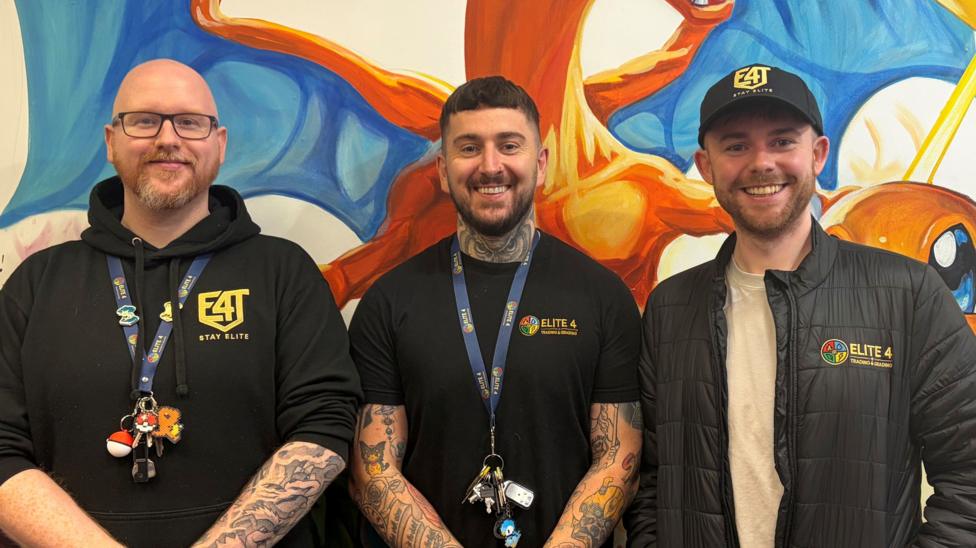
The business operates a card trading event at Belfast's Waterfront Hall, where participation has surged dramatically. The inaugural gathering drew approximately 600 attendees, while the third event attracted 1,700 participants. Phillips indicated that the November event is projected to exceed 2,500 visitors, with traders journeying from across the United Kingdom.
The shop's customer base spans diverse professional backgrounds.
We have solicitors that come in on their lunch breaks and police officers that come in after their shift,Phillips explained. The venue has also attracted notable public figures, including former world champion boxer Carl Frampton, DJ Ben Nicky and actor Dexter Sol Ansell.
What drives the collecting phenomenon?
Collectors pursue Pokémon cards with varying motivations and investment levels. While some focus on acquiring their favourite characters, others allocate substantial sums to obtain rare cards, with a Pikachu card having sold for approximately £16,000. Stephen Mitchell, a co-owner, noted that the customer demographic extends across all age groups, with regular visitors in their 70s and 80s.
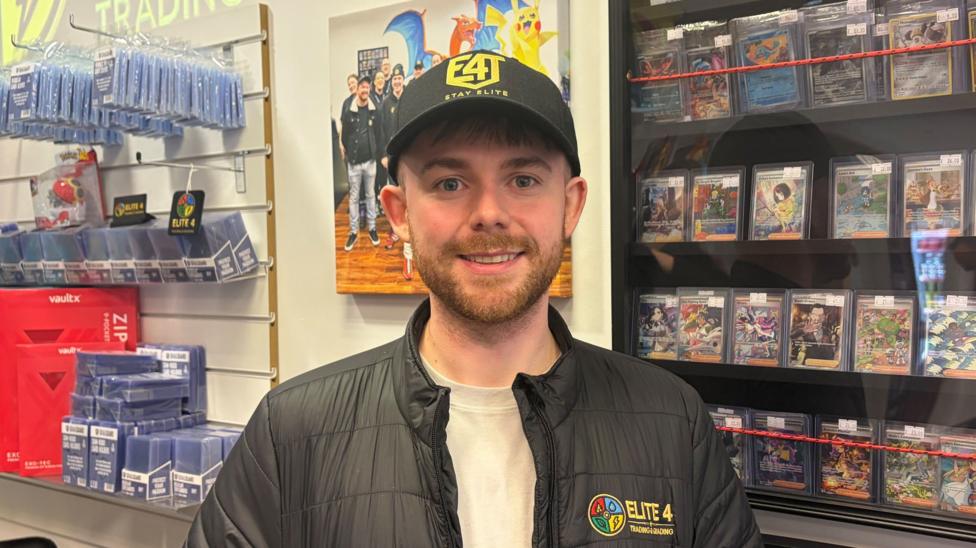
For Mitchell personally, the resurgence has fundamentally altered his relationship with the hobby. Having rediscovered his interest in collecting as an adult, he initially harboured reservations about pursuing it openly.
I just thought it was a wee bit too nerdy,he reflected.
I mean, I'm a father-of-two, collecting pokémon cards, hitting 30. It was sort of like, oh, 'I don't know if I'm a bit too old for this at this stage'.Connecting with fellow collectors dispelled these concerns.
So I was hidden in the corner until I found friends who were into the same thing as I was, which is awesome.
What role has social media played?
Matthew Duguid, a content creator and live streamer based in Coleraine, identifies nostalgia as a principal driver of Pokémon's renewed appeal. Adults who experienced the franchise during its initial wave now possess disposable income to invest in childhood memories. However, the franchise's reach extends beyond this demographic.
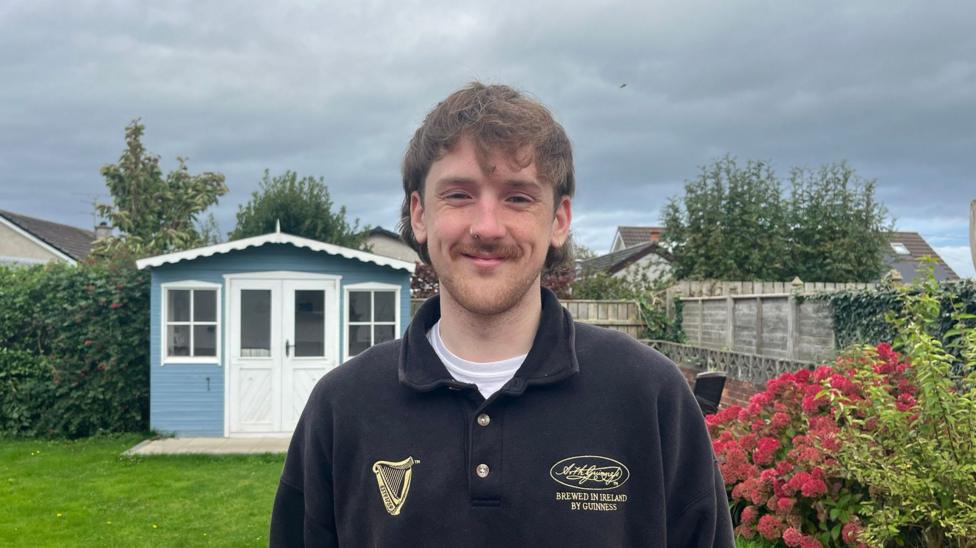
Duguid emphasised that
Pokémon has managed to keep introducing itself to new audiences without losing what made it popular in the first place.He credits social media platforms with a
massive rolein facilitating the comeback, enabling the franchise to reach younger audiences while simultaneously connecting collectors globally. Importantly, he stressed that collecting transcends financial considerations.
For some people, it's about completing a set or getting their favourite Pokémon, rather than just playing the game.
Despite the prominence of high-value card sales, Duguid views Pokémon as a durable cultural force rather than a transient trend.
It's been around for 30 years and has built up generations of fans,he noted.
How has competitive play evolved?
For competitive player Mattie Morgan, Pokémon has provided opportunities for international travel and achievement. He commenced competitive play at age 13 following victory in a video game tournament in Dublin, subsequently competing in Brazil, the United States and across Europe. Among his accomplishments was finishing in the top eight at the Pokémon World Championships held in Japan, which he characterised as
really, really cool.

Morgan observed that the competitive landscape has expanded considerably within Ireland.
When I started, you would have to go to Dublin to play anything - but now there's tournaments all around the country.He attributes part of this growth to the 2016 release of Pokémon GO, which he believes
made everyone play Pokemon, even people that had never played it. The mobile game has continued to thrive, with Pokémon GO marking 10 years with sustained engagement from millions of players worldwide.
Morgan maintains an enduring personal ambition.
When I was about like 12 years old, it was always my dream to become the world champion, he stated.
What lies ahead for the franchise?
The franchise's 30th-anniversary celebrations have extended globally, with PokéXciting! events already held in Kuala Lumpur and Taipei by October 18, 2026. Additional celebrations are scheduled for the coming months, with Singapore hosting events on November 7–8, 2026, Manila on January 23–24, 2027, and Bangkok on February 13–14, 2027, providing further opportunities for fans across the Asia-Pacific region to engage with the franchise.