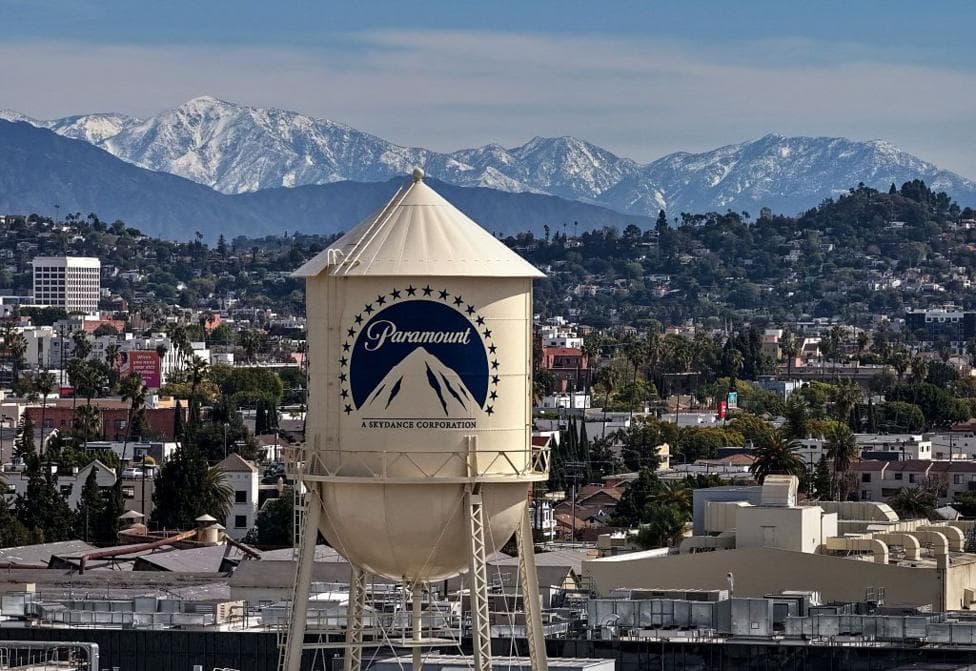
Paramount Skydance has resolved legal action brought by a coalition of US states, removing a significant obstacle to its $110bn (£82.8bn combination with Warner Bros Discovery. The settlement addresses competition concerns that had threatened to derail one of the entertainment industry's largest proposed transactions.
California Attorney General Rob Bonta announced the agreement at a press conference, stating that state officials had negotiated commitments designed to safeguard competitive dynamics across film, television, and broadcasting sectors. However, Bonta emphasized the limited scope of the state's endorsement.
"The settlement is not a vote of support for this merger. It is not a blessing of the broader merger,"he said.
The deal had faced mounting legal challenges since twelve states initially sued to block the transaction in July 2026, arguing that combining the two media giants would harm consumers and reduce creative opportunities. The settlement represents a compromise between state regulators and the companies involved.
What commitments did Paramount make?
Under the settlement terms, Paramount has agreed to maintain robust film production activity in the United States. Specifically, the studio must release a minimum of 30 films annually, a requirement designed to sustain employment and creative output across the industry. Bonta indicated that this commitment would contribute to strengthening film production capacity domestically.

What does this mean for the merger?
The resolution effectively removes the final regulatory barrier to completing the transaction. The US Department of Justice had previously approved the deal in June 2026, and Warner Bros Discovery shareholders had voted in favor in April 2026. The state settlement now provides what company leadership describes as complete clearance to proceed.
David Ellison, Paramount's chief executive, welcomed the outcome in a statement.
"Our shared aim was an outcome that best serves consumers, workers and - most importantly - the creative community so vital to the art of visual storytelling,"Ellison said.
"Having now addressed the State AGs' and WGA's concerns, we have complete clearance for this merger and look forward to putting these commitments into action,"he added, referencing the Writers Guild of America union.
Ellison had previously signaled his willingness to relocate studio operations outside California if state regulators continued to obstruct the transaction, a position that may have influenced the negotiation dynamics.
What happens next?
With regulatory approval now secured at both federal and state levels, the companies can proceed toward finalizing the combination. The settlement establishes enforceable obligations regarding film production volume and competitive practices that will govern the merged entity's operations going forward.