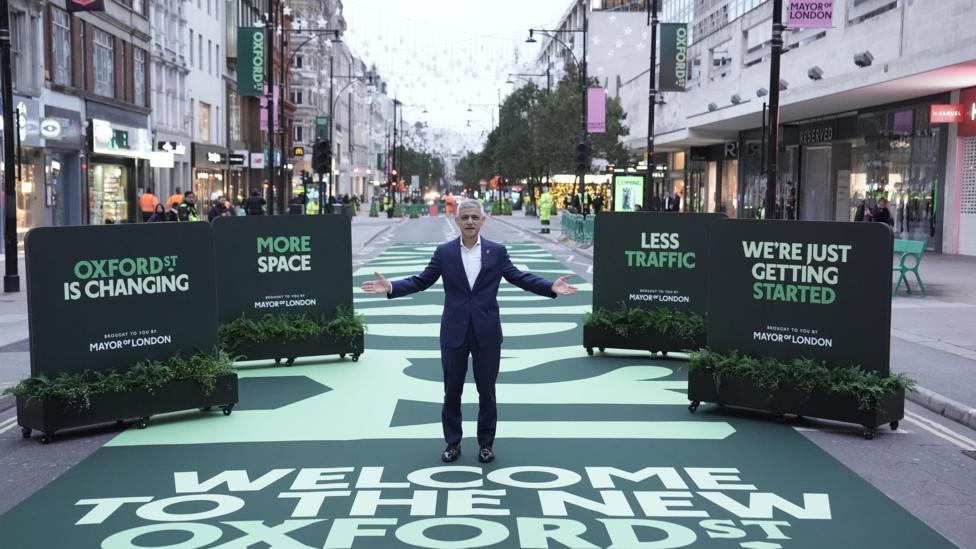
London's newly pedestrianised Oxford Street has recorded a sharp increase in retail spending and visitor numbers in its opening week, according to figures released by the mayor's office. Payment data from Adyen shows spending at Oxford Street stores climbed to £3.7m from approximately £2.9m in the equivalent period last year—a 28% rise. According to BBC News, the number of in-store transactions also grew by 19% over the same timeframe.
Since 26 October, almost 1km (0.62-mile) of the shopping destination between Orchard Street and Great Portland Street has been closed to traffic. The completed project is expected to cost £150m, which includes the cost of highway changes. City Hall and the Oxford Street Development Corporation data shows that footfall in the traffic-free section rose by 16%, while international visitor numbers increased 42% year-on-year during the first week.
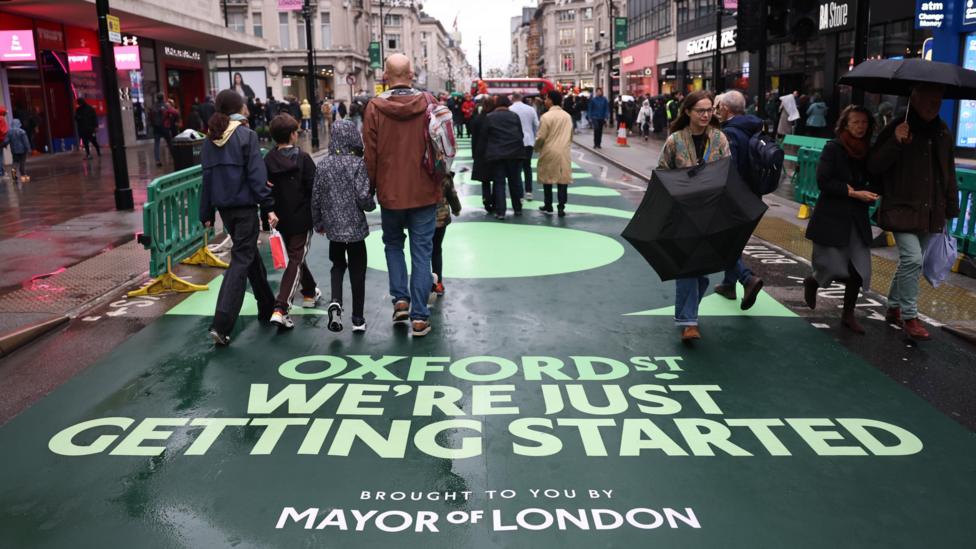
Mayor Sadiq Khan described the early results as evidence of pedestrianisation's potential to revitalise the high street.
"Our early work has been very warmly received by Londoners and visitors, with a surge in footfall and spend,"he said.
"These are staggering early results that show the transformational impact that the pedestrianisation of Oxford Street will have."He added that the figures were
"better than we had anticipated and a real boost for the nation's high street and the businesses that make it such a special place to visit."
Transport for London (TfL) recorded increased entries and exits at Oxford Circus and Bond Street stations during the first traffic-free week. At street level, TfL sensors showed footfall outside Bond Street station reached 46% above the average weekday count at that location between 7 September and 16 October 2026. Beyond the pedestrianised zone itself, City Hall reported that visits to the wider Oxford Street area after 6pm rose 19% year-on-year during the opening week.
Many shoppers and visitors have welcomed the transformation, telling BBC London that the street feels safer and more pleasant without vehicle traffic. However, the scheme has drawn criticism from those concerned about its broader effects on transport and accessibility across the West End.
What are the concerns about bus services?
Critics have raised questions about the impact on bus passengers and other road users navigating around the pedestrianised area. Michael Bolt of the Marylebone Association challenged the mayor's characterisation of the results, arguing that revised bus timetables tell a different story.
"The public was told that most bus journey times would change by a minute or less. Yet TfL's new timetables allow an additional seven to nine minutes for journeys on route 98, increases of up to 53%."According to TfL's consultation report, the Oxford Street West proposals were deemed workable, though the authority recommended continued monitoring of traffic effects on local bus services.
Bolt also questioned the timing of the announcement.
"Oxford Street has now been closed for two full weeks, yet the mayor has chosen to publish results from only the first week, which coincided with school half-term. The second week, when schools had reopened and normal weekday traffic returned, would surely provide a more representative picture of the consequences for surrounding streets."Despite these concerns, City Hall stated that buses continued to run well and traffic speeds on surrounding roads remained broadly stable during the first week.
How will disabled shoppers access the area?
Accessibility remains a significant concern for shoppers with mobility challenges. New bus stops and taxi ranks have been installed approximately 200m and 100m from the pedestrianised area respectively, raising questions about whether these distances adequately serve disabled visitors. Shoppers have expressed concerns about whether the re-routed transport infrastructure will provide sufficient support for those unable to walk the full length of the street.
What about cyclists on the pedestrianised street?
Cycling on the newly traffic-free section continues to generate debate. Tom Fyans from the London Cycling Campaign previously noted that enforcement of cycling rules remains an ongoing challenge.
"You're going to get a handful who are not going to follow the rules and we need to keep working on that."
What is the broader context for this scheme?
The pedestrianisation initiative builds on earlier public engagement. A 2025 public consultation received 6,642 responses, with nearly seven in 10 respondents supporting the mayor's proposed interventions and two-thirds specifically backing pedestrianisation. The current phase operates as a temporary "test and review" scheme; feedback and monitoring will inform the permanent design.
What happens next for Oxford Street?
By the end of spring 2027, plans call for more than 50 new trees, two public squares and improved signage to be installed on Oxford Street. The mayor's decision sets November 2027 as the target date to progress the permanent design from the current development phase to concept design stage. These enhancements aim to establish Oxford Street as a destination that balances retail activity with public space and environmental quality.