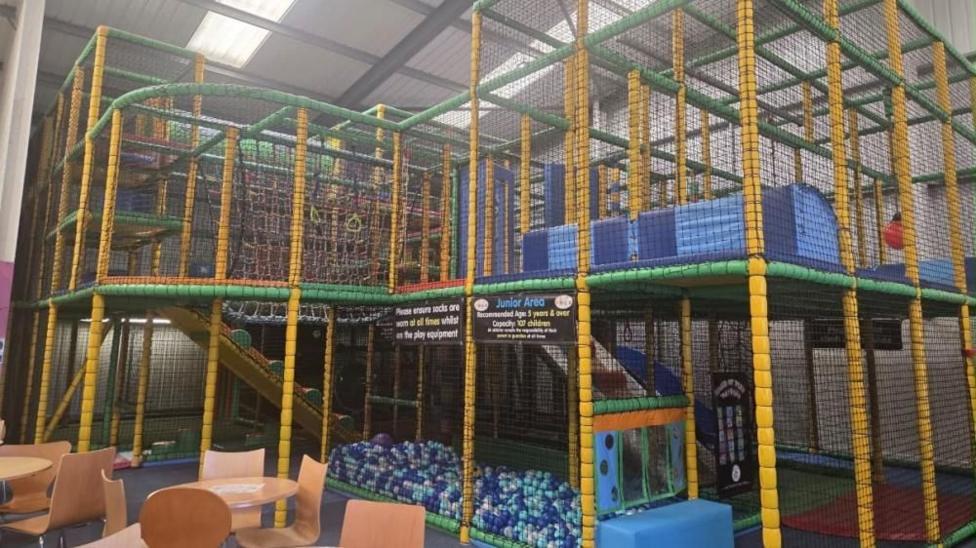
Owners of indoor soft play centres across the Midlands are warning that the sector faces an existential crisis, with seasonal fluctuations and soaring operating costs pushing businesses toward closure. According to BBC News, several operators have reported weeks with minimal footfall during the summer months, while fixed expenses continue to mount regardless of visitor numbers.
Jessica Harvey, who acquired Funzone in Whitchurch after its previous owner entered liquidation in October 2025, described the challenge of her first hot season running the 17-year-old venue. She reported periods where the centre attracted only 10 to 15 visitors across an entire week—a volume she characterised as financially unsustainable for a business with significant overhead commitments.
Harvey has invested considerable personal effort into revitalising the facility, often arriving at 6 a.m. to prepare the space and remaining until midnight to complete maintenance and renovation work. Despite these efforts, the summer downturn forced her to seek alternative revenue streams to keep operations viable.
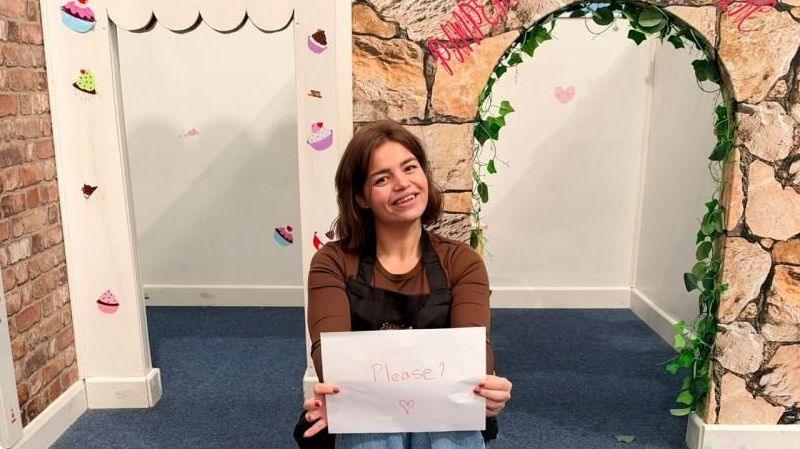
Over the summer, there has definitely been [times] where we probably had 10 to 15 people in all week, which just isn't sustainable, Harvey explained, adding that the emotional toll of investing heavily in a business while watching customer numbers collapse has been demoralising.
To compensate for reduced indoor footfall, Harvey developed a mobile soft play trailer for events, which has helped generate income during the slower season. However, she acknowledged that as weather improves and families return to outdoor activities, the business model depends entirely on customers choosing to visit the centre rather than pursue alternative entertainment.
Eventually, if no one uses it and there was no money coming in, it's not a viable business, is it?Harvey said.
So, you know, it would have to go. It [is a] kind of use it or lose it type situation.
What are the main cost pressures facing operators?
The financial burden of running a soft play centre extends far beyond staffing and maintenance. Connor Galbraith and his wife Nicole, who left careers as an IT specialist and a chemist respectively to open Wacky Playland in Kidderminster nearly two years ago, have publicly detailed the scale of these expenses on social media.
Electricity consumption alone cost the couple £9,756.42 over a three-month period during summer. Building insurance adds £6,410.47 annually—a figure that covers only the landlord's requirement and excludes the centre's own public liability and employee liability coverage. Service charges, billed quarterly, total £5,837.33.
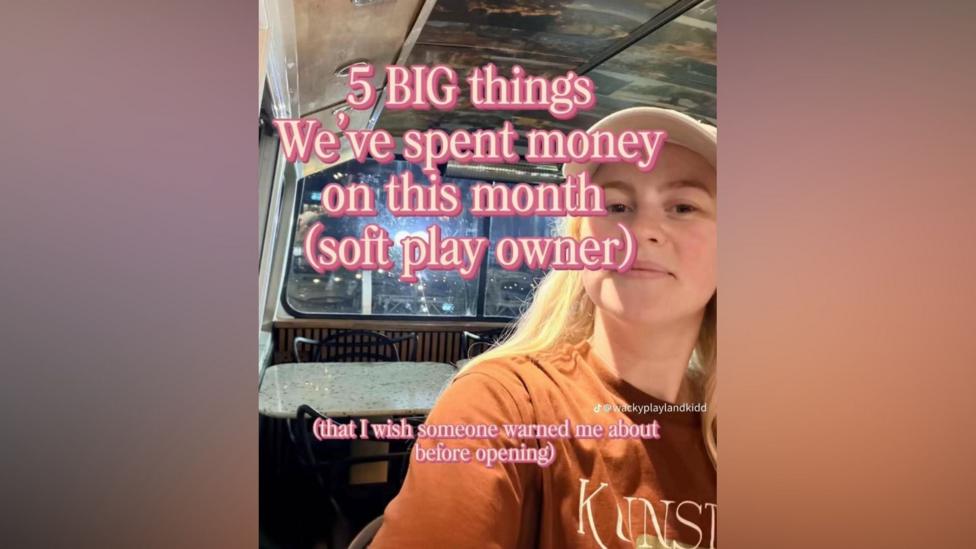
Three months of usage of electricity cost us £9,756.42; building insurance per year, is £6,410.47. That's just the building paid for the landlord's insurance, not including our public liability, [or] employee liability insurance as well, Galbraith stated.
Some customers do not realise the prices behind it, they just see it as, 'oh it's a business'.
The Galbraiths have managed to sustain operations through the summer partly because air conditioning and the 5% VAT relief available to soft play venues have helped offset costs. However, Galbraith characterised the financial position as
really tight, with little margin for error or unexpected expenses.
Looking ahead, Galbraith expressed concern about the trajectory of operating costs. With a 10-year lease that increases incrementally, he warned that rising expenses across the economy could eventually make the business unviable.
If costs keep going higher and higher then it does kind of question where we can be because, I'm sure any business owner knows, that we have a lease as a 10-year lease and as goes up incrementally. If, as years go by, our rent is going to go higher and if, in this world how it's looking things are going to get more expensive, then it kind of makes you scared, like where is it going to be.
How widespread is the crisis in the sector?
The struggles facing Funzone and Wacky Playland reflect broader difficulties across the indoor play industry. In September 2026, the owners of The Kidz Barn, also located in Kidderminster, announced that their soft play centre would cease operations in January 2026 and be placed on the market. The decision followed years of financial pressure.
In a statement posted to social media, the centre's owners reflected on their journey:
We weathered some incredibly difficult times. During COVID, there were moments when we genuinely didn't know if we would ever reopen our doors. Somehow, we got through those hardest months, and being able to welcome you all back was something we will never forget.They emphasised that closure
was not a decision that was made lightly.
Industry-wide data suggests the problem extends beyond individual venues. According to BBC reporting on another soft play centre, Robin Hood and Soft in Newark, that operator reported a 40% year-on-year decline in visitors and at least 20% higher overall expenses. The Association of Indoor Play estimated that approximately 10% of the industry had shut down, though the organisation acknowledged it lacked precise closure figures across the sector.
Despite these challenges, some venues continue to operate. Wacky Playland's current website lists it as open seven days a week at Weavers Wharf, Kidderminster, and the centre offers monthly memberships with unlimited weekday play and café discounts. Weekend party packages range from £210 for Silver to £385 for Gold, with both requiring a deposit and including play time and food options.
What factors are driving the downturn?
The soft play sector operates on a highly seasonal model, with demand fluctuating significantly based on school holidays, weather, and family spending patterns. Summer months, traditionally considered a peak season for children's entertainment venues, have instead become a period of financial vulnerability as families prioritise outdoor activities and holidays during warm weather.
The combination of fixed overhead costs—electricity, insurance, rent, and service charges—with volatile visitor numbers creates a precarious financial situation. Operators cannot easily scale down expenses during slow periods, yet revenue drops sharply when customers stay away. This structural mismatch between costs and income has proven particularly acute for newer businesses still building customer loyalty and brand recognition.
The broader economic environment has also contributed to pressure on the sector. Families facing cost-of-living challenges may reduce discretionary spending on entertainment, while rising utility costs and inflation have increased the operational burden on venue owners. The cumulative effect has pushed some established businesses, like The Kidz Barn, to conclude that continued operation is no longer financially viable.