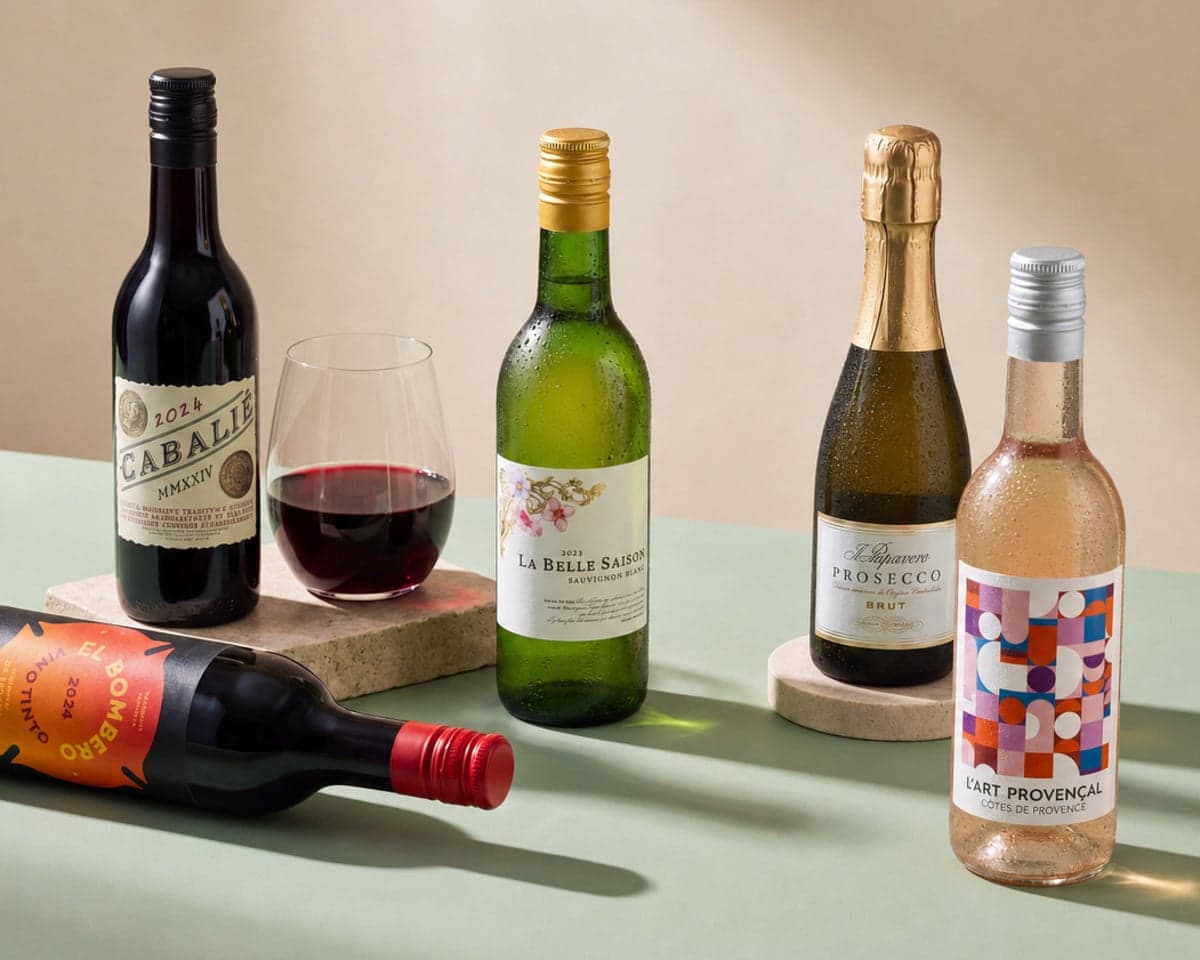
Miniature wine bottles are experiencing a significant resurgence, driven by changing consumer habits around moderation, affordability, and occasion-based drinking. Whether enjoyed as a solo glass or carried on a journey, these compact formats—typically between 200ml and 250ml—are reshaping how people approach wine consumption.
The history of miniature wine bottles extends back further than many realise. In the 1920s, the London wine merchant Berry Bros & Rudd was commissioned by Queen Mary to create a wine cellar for a doll's house that would showcase the finest examples of British craftsmanship. Designed by the renowned architect Edwin Lutyens, the cellar featured running water, electricity, a library of diminutive books and a collection of 1,200 miniature bottles, including vintage ports, an 1889 Montrachet and premium bordeaux selections. That historic doll's house now resides in Windsor Castle, though Berry Bros maintains a replica of the original cellar in its Mayfair premises, complete with 5ml bottles of those same wines.
Today's miniature wine market bears little resemblance to that rarefied heritage. The format has long been associated with air travel and casual consumption—what might be termed "journey juice," a modest pour sufficient for a short commute. A search for miniature wine bottles typically returns offerings from the world's largest wine producers, reflecting the format's traditional positioning as an economical, convenient option rather than a premium one.
Why miniature bottles matter now
The current revival reflects genuine shifts in drinking culture. When only one person is drinking and desires just a single glass, or when someone wishes to enjoy sparkling wine without a full bottle losing its carbonation, miniature formats offer practical advantages. Champagne and other sparkling wines are particularly well-suited to this packaging. A chilled, dry, biscuity glass of Lanson Le Black Création or Pommery Pink Pop delivers the appeal of celebration at roughly one-third the cost of a full bottle—ideal for evenings when one generous pour suffices.
The plastic bottles in which most miniatures are packaged make them excellent for outdoor occasions. Retailers like Marks & Spencer, which positions itself as a destination for summer entertaining, stock substantial selections of miniature wines. Rosé varieties appear disproportionately represented in this format, with standout options including M&S's Finca Miguel Cava Rosado—a vibrant, red fruit-forward sparkling wine that appeals to those sceptical of prosecco—and Côteaux Varois en Provence, which delivers straightforward, reliable pleasure. M&S's Rosso di Puglia also performs well when served directly from a cooler, offering juicy character and versatility with food. Laithwaites similarly maintains a robust miniature selection, notably its popular Cabalié wines from Languedoc-Roussillon, with the white variant offering a peachy viognier blend that balances richness with freshness.
How big is the miniature wine market?
The expansion of small-format wine extends well beyond niche retailers. According to industry analysis, small beverage-alcohol sizes reached a $670 million business and grew 16% in the previous year, with 50-, 100-, 200-, and 375-ml packages all gaining share. Major producers are responding to this momentum. Pernod Ricard, Bacardi, and 818 Tequila are expanding miniature-bottle ranges as consumers trade down to smaller packs, with market data showing the biggest first-quarter share gains in 50-ml brandy and tequila plus 375-ml tequila and cordials.
E. & J. Gallo has made a particularly aggressive push into small formats, leaning into 200-ml Tetra Pak wine formats for brands including Barefoot, Mark West, Clos du Bois, and Nobilo, with the format identified as the number-one package size in dollar-sales growth over a 12-week period. The Wonderful Company's Justin brand is expanding 375-ml offerings, beginning with Sauvignon Blanc and planning half-bottles for Cabernet Sauvignon.

What innovations are shaping the sector?
Packaging innovation is accelerating the trend. Small Lot Bottles launched a proprietary 187-ml wine bottle format on 14 May 2026, alongside its existing 100-ml bottles, designed to serve wineries, airlines, educators, and gift buyers. Château Tanunda announced its 2026 rollout of 375-ml Grand Barossa Shiraz, which will reduce six-pack carton weight by 720g and cut CO₂ emissions by 6.8%—demonstrating how smaller formats can address environmental concerns alongside consumer preferences.
The broader shift toward portable, premium-leaning alcohol packaging—including cans and Tetra Paks alongside traditional miniature glass bottles—reflects a fundamental change in how consumers approach wine. Rather than viewing smaller formats as inferior compromises, producers and retailers are positioning them as solutions for moderation, affordability, and specific drinking occasions.
What comes next for miniature wines?
Small Lot Bottles' new 187-ml format is now part of its 2026 offering, with further adoption expected from wineries and travel-channel buyers. Château Tanunda's smaller-format bottles and refreshed Grand Barossa packaging will roll out across retailers throughout 2026. Justin's half-bottle Cabernet Sauvignon rollout is planned soon after the July 2026 announcement, signalling continued expansion of premium options in compact sizes.
Four miniature selections worth trying
Lanson Le Black Création, 12.5%. A classic non-vintage champagne that consistently delivers satisfaction. Drinking straight from the bottle adds to the experience.
M&S Côteaux Varois en Provence, 12.5%. Everything expected from Provençal rosé—dry, with strawberries and cream character in a compact bottle.
Cabalié Blanc 2024, 12%. Viognier, muscat and colombard combine to create an approachable, celebratory blend.
M&S Finca Miguel Cava Rosado Brut, 11.5%. An impressive sparkling blend of Catalonian trepat with pinot noir that pairs beautifully with picnic fare.
None of these selections challenges the drinker with complexity, but for those seeking instant, uncomplicated enjoyment with an emphasis on fun, stocking a fridge—or even a doll's house—with miniature bottles delivers genuine pleasure.