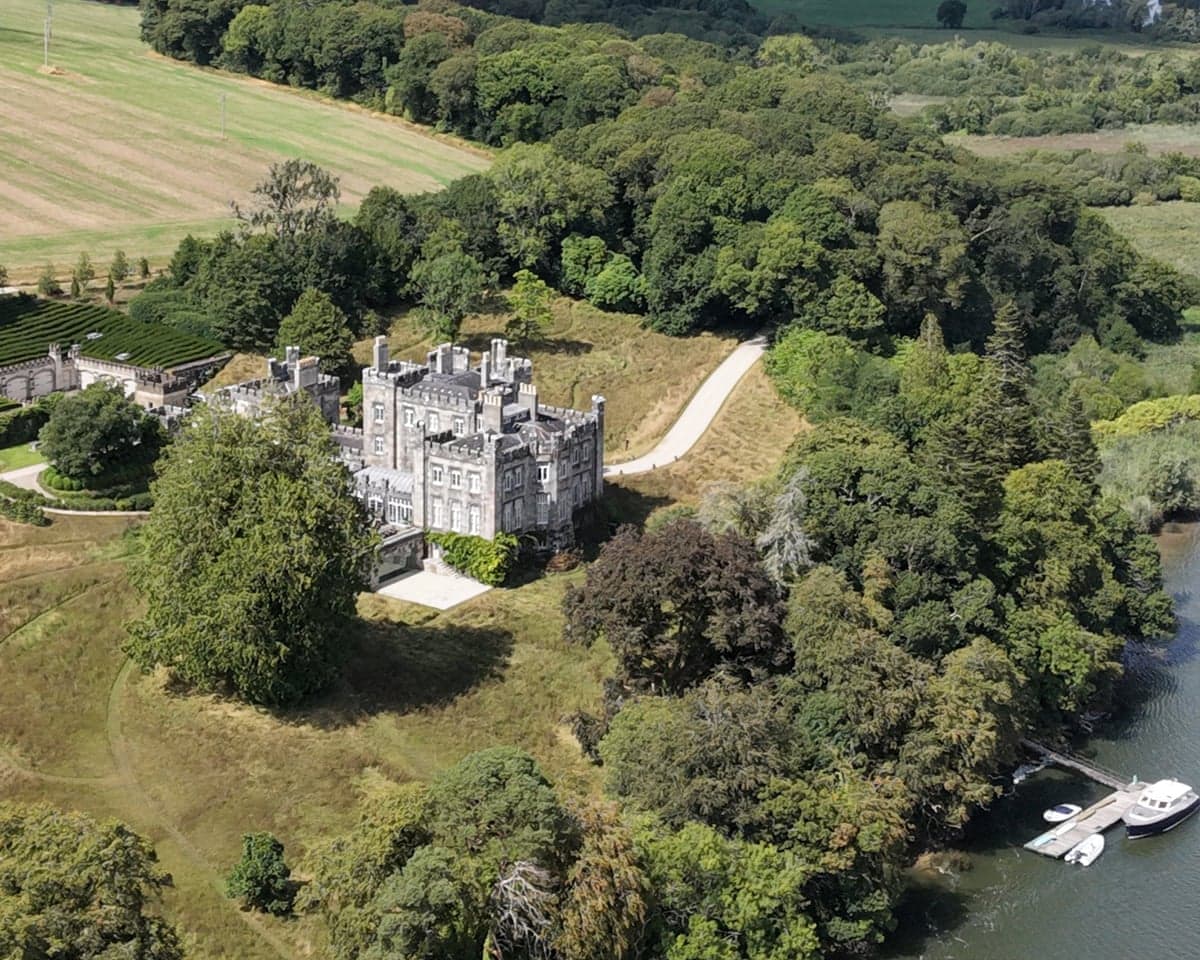
Meta chief executive Mark Zuckerberg and his wife, Priscilla Chan, have purchased Strancally Castle, a gothic-style mansion set within a 178-hectare (440-acre) estate in County Waterford, Ireland. The off-market transaction is estimated to have cost between €20m (£17m) and €30m, according to property valuations, representing roughly 10% of the value of Zuckerberg's superyacht.
A Meta spokesperson confirmed the acquisition on Thursday, stating that
Mark and his family are excited to continue caring for this historic home and look forward to spending time in Ireland, where Meta maintains its international headquarters. According to the Irish Times, Zuckerberg and Chan will use the property as a base during visits to Ireland while continuing to reside primarily in the United States.

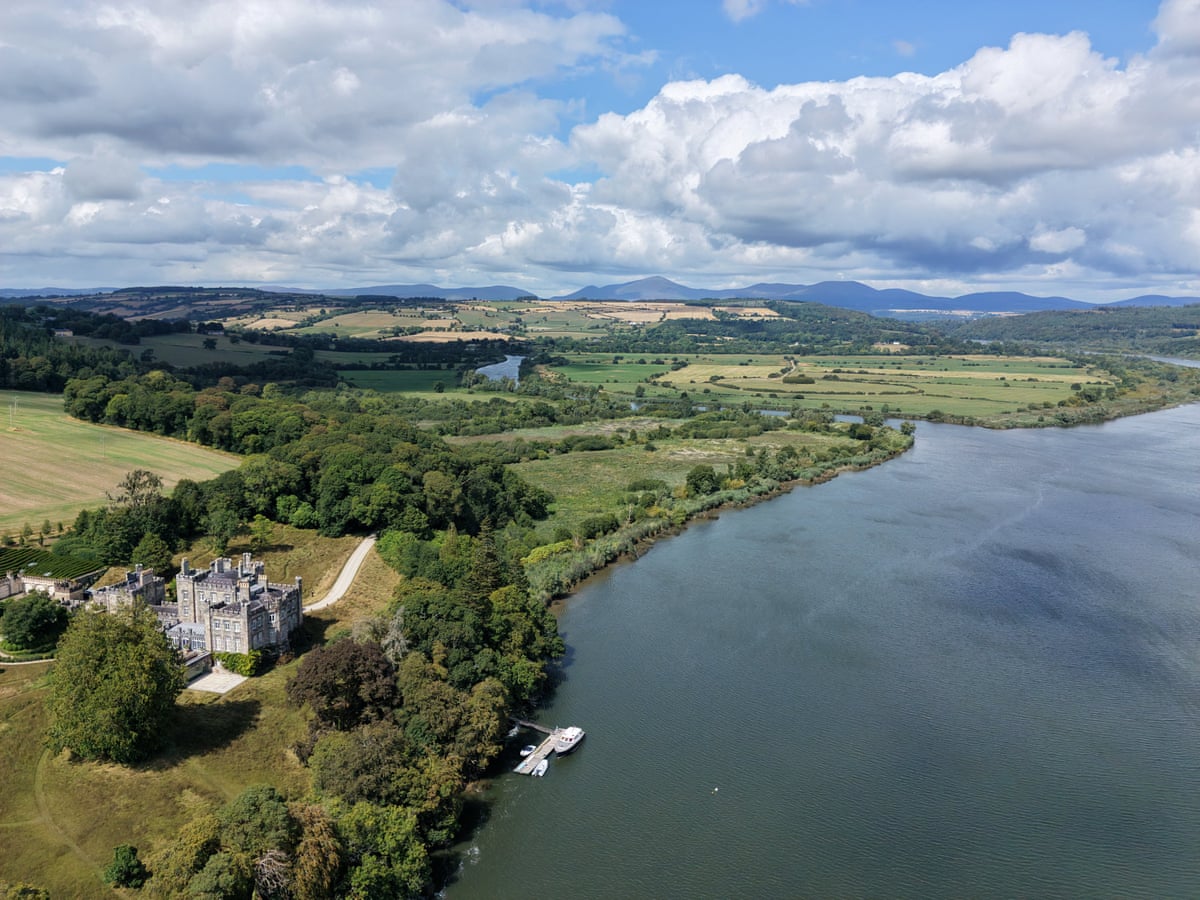
The three-storey property overlooks the River Blackwater and sits approximately 200 kilometres from Meta's European headquarters in Dublin, according to reporting. The transaction was completed in recent weeks, though the purchase has not yet appeared on Ireland's Property Price Register.
The castle's history and previous ownership
Strancally Castle was constructed in 1830 for John Keily, a Conservative Member of Parliament who represented Clonmel from 1819 to 1820. The mansion was designed by architects James and George Richard Pain on a grand scale, with the layout so expansive that historical records indicate a brisk walk of four and a half minutes was required to travel from the dining room to the kitchen, according to the book The Houses of Ireland.

Michael Alen-Buckley, co-founder of the London-based investment firm RAB Capital, and his wife, Giancarla, a member of the family behind the Rocco Forte Hotels group, acquired and extensively renovated the estate in the early 2000s. The couple released a statement expressing their departure:
We leave our home of 25 years fondly and are grateful for the opportunity we have been given to save and restore Strancally castle. We are delighted that Mark and his family intend to build on our stewardship by continuing to invest in maintaining and enhancing the property and grounds as their home in a sustainable manner. We wish them and their family much happiness in this unique and blessed place.
Architectural significance and heritage status
The National Built Heritage Service, an Irish state agency responsible for protecting architectural heritage, has documented the castle's construction quality and design. The agency's assessment notes that
the construction in sandstone and limestone ashlar augments the dour tone of the composition while providing evidence of high quality stone masonry and craftsmanship. The property's sandstone and limestone construction reflects the skilled masonry work characteristic of early 19th-century Irish estate architecture.
Part of a broader trend among technology entrepreneurs
Zuckerberg's acquisition of Strancally Castle reflects a growing pattern of technology entrepreneurs investing in historic Irish estates. The Blackwater valley, where Strancally is located, has become particularly attractive to wealthy tech figures. Entrepreneur James Dyson purchased Ballynatray House, another historic estate in the same region, in 2024. Further north in County Laois, John Collison, co-founder of the technology platform Stripe, acquired Abbey Leix estate in 2021.
Meta has maintained a significant presence in Ireland since establishing its European headquarters there in 2009, making the country a natural choice for Zuckerberg's Irish property investment.
Key Facts
- The estate comprises 440 acres of land surrounding a three-storey gothic-style mansion built in 1830
- The estimated purchase price of €20m–€30m represents approximately 10% of the value of Zuckerberg's superyacht
- The property sits 200 kilometres from Meta's Dublin headquarters and will serve as a seasonal residence during the family's visits to Ireland
- The castle was extensively renovated in the early 2000s by its previous owners before the recent sale
- The purchase reflects a broader trend of technology entrepreneurs acquiring historic estates in Ireland's Blackwater valley region