Luxury carmaker McLaren is preparing to build its first sport utility vehicle in its 63-year history, targeting wealthy enthusiasts who follow the racing brand but have never purchased its high-performance two-seater sports cars.
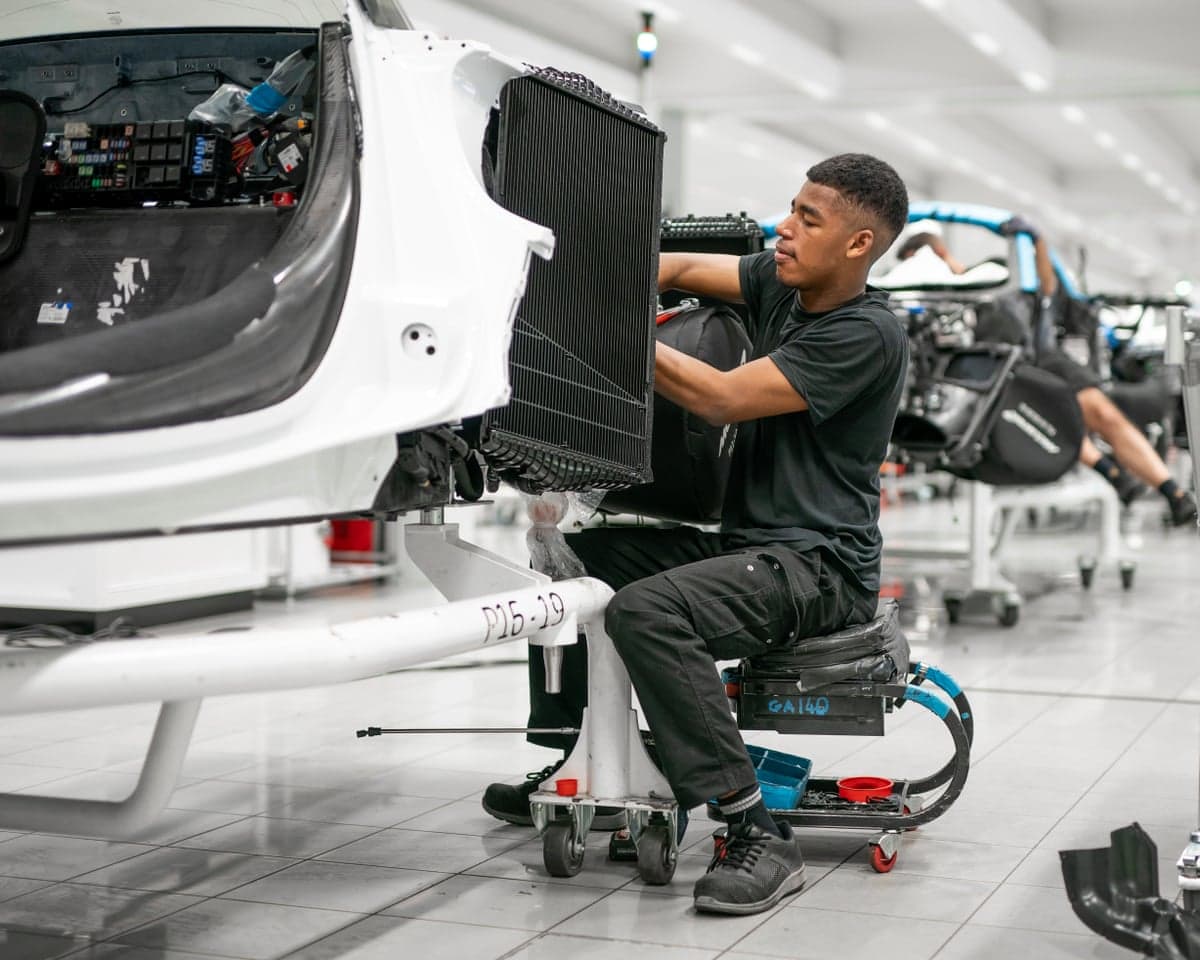
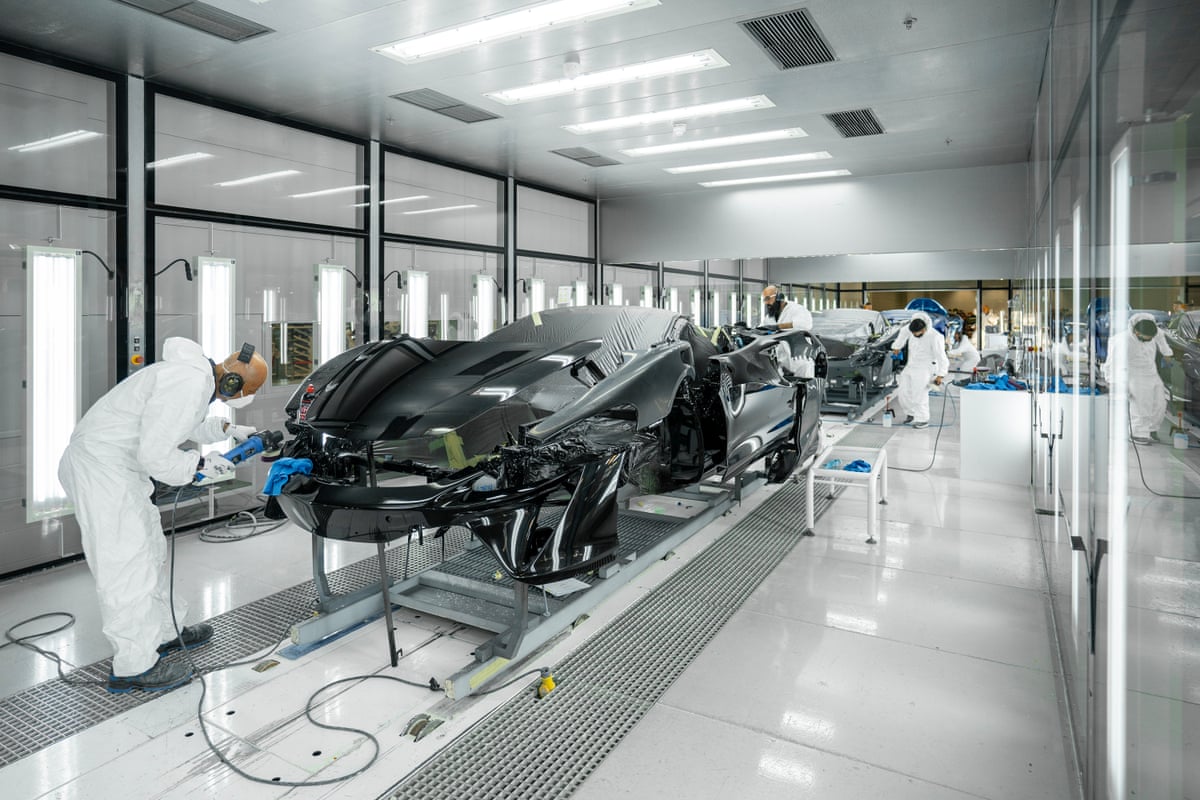
The unnamed model represents a significant strategic shift for the company, which has historically focused exclusively on supercars. The project is part of a broader expansion plan backed by Abu Dhabi's CYVN Holdings, which acquired McLaren Automotive last year and has committed to investing $2 billion (£1.4 billion) over five years. The initiative will create 1,000 new jobs and fund a new manufacturing facility, with Sheffield—home to McLaren's existing carbon-fibre production plant—emerging as the preferred location over the company's Woking headquarters, though no final decision has been confirmed.
Nick Collins, McLaren's chief executive, explained that recent achievements by the McLaren racing team have generated substantial untapped demand among people who admire the brand but lack interest in conventional supercars.
It's quite difficult if you have to decide which one of your kids you want to leave behind at home.This observation underscores how family considerations have limited the appeal of two-seater vehicles to a broader customer base.
Why is McLaren entering the SUV market now?
The timing reflects McLaren's recovery under new ownership following years of financial difficulty. CYVN Holdings, a government-owned Abu Dhabi investment company, acquired the loss-making group from Bahraini sovereign wealth fund Mumtalakat in 2025. The company also merged with British electric vehicle startup Forseven Holdings in April of last year, though McLaren has no immediate plans to develop its own battery-electric vehicle, with Collins stating that customers are not requesting one and the company is not pursuing that path currently.
Michael Straughan, McLaren's chief operating officer, characterised the SUV as a
criticalmoment for the company's future. He suggested that the new model could enable McLaren to double its annual sales, which currently stand at approximately 3,000 vehicles per year.
There's no doubt there's people who are F1 fans … who would never purchase a McLaren sports car, but would definitely consider a McLaren SUV.
What are the specifications and timeline?
According to reports of McLaren's future lineup, the SUV carries the internal project designation P47 and will feature five-seat capacity with a four-door configuration. The vehicle is scheduled for market availability in 2028. The company is also developing a mid-engine hybrid supercar, which is reported to be priced from $313,000 with customer deliveries targeted for 2027.

Straughan declined to specify the SUV's exact price but indicated it would compete directly with ultra-luxury models including the Bentley Bentayga, Aston Martin DBX, and Lamborghini Urus—vehicles that all carry starting prices above £200,000.
I think the trick here is conquest of other brands' customers.
What is the investment and manufacturing plan?
The expansion is underpinned by a £450 million commitment to McLaren's Woking technology centre alongside the creation of 1,000 jobs. Straughan described Sheffield as
the jewel in the crownfor the company's manufacturing capability, though he acknowledged that no final location decision has been made. Some reporting indicates that the new positions may be distributed between a primary facility and a satellite supply plant in Sheffield rather than concentrated at a single site.
The investment comes as McLaren Racing has achieved significant competitive success, having won the last two Constructors' Championships. Mumtalakat retains majority control of McLaren Racing, while CYVN holds a minority stake in the racing division. The automotive and racing operations remain distinct entities, though the racing team's prominence has clearly enhanced brand recognition and appeal.
How does this fit McLaren's history?
Founded in 1963 by racing driver Bruce McLaren, the company initially built racing cars before launching the iconic McLaren F1 supercar in the 1990s. McLaren Automotive was established as a dedicated road car division in 2010, but the company faced significant financial challenges in recent years before last year's acquisition by CYVN. The move into SUVs marks a fundamental departure from the brand's traditional focus on high-performance, limited-production vehicles.
Prime Minister Andy Burnham welcomed the investment, characterising it as evidence that the company was
doubling down on Britain.
What challenges does the SUV market present?
The expansion into SUVs occurs amid ongoing debate about the vehicles' environmental and safety implications. Research has documented concerns about increased fuel consumption and pedestrian safety risks associated with larger vehicles. However, the global SUV market continues to expand, and luxury manufacturers have increasingly prioritised this segment as a growth opportunity despite these warnings.
What happens next?
The hybrid supercar is expected to begin customer deliveries in 2027, with the SUV following in 2028. McLaren has reportedly presented its expanded product lineup to franchise retailers in closed-door meetings, signalling the company's confidence in the strategy. The final decision on manufacturing location—whether concentrated in Sheffield or split between multiple UK sites—remains pending.
Key Facts
- McLaren's first SUV will feature five seats and a four-door layout, with market availability scheduled for 2028
- The £450 million investment plan includes 1,000 new jobs and upgrades to the Woking technology centre
- Current annual sales of approximately 3,000 vehicles could potentially double through the new model, according to company leadership
- The SUV will compete with ultra-luxury vehicles priced above £200,000, including models from Bentley, Aston Martin, and Lamborghini
- McLaren Racing's recent Constructors' Championships success has generated brand momentum supporting the automotive division's expansion strategy