Festive season visitors to Manchester's Christmas markets encounter prices that have climbed dramatically—£8 bratwursts, £11 Yorkshire pudding wraps, and £5 for a handful of marshmallow sticks. Yet behind these eye-watering figures lies a more complex story. According to BBC News, traders operating the stalls are themselves under severe financial pressure, with many reporting that despite charging substantially more, their actual profits have shrunk rather than grown.
The paradox reflects a broader squeeze affecting businesses across the economy. Rising costs for food ingredients and other essentials are driving a vicious cycle that impacts traders, farmers, and consumers alike, intensifying the cost-of-living crisis. At Manchester's markets, this dynamic has created tension between the need to cover mounting expenses and the risk of pricing away customers who are themselves watching their spending more carefully than before.
What are traders actually earning?
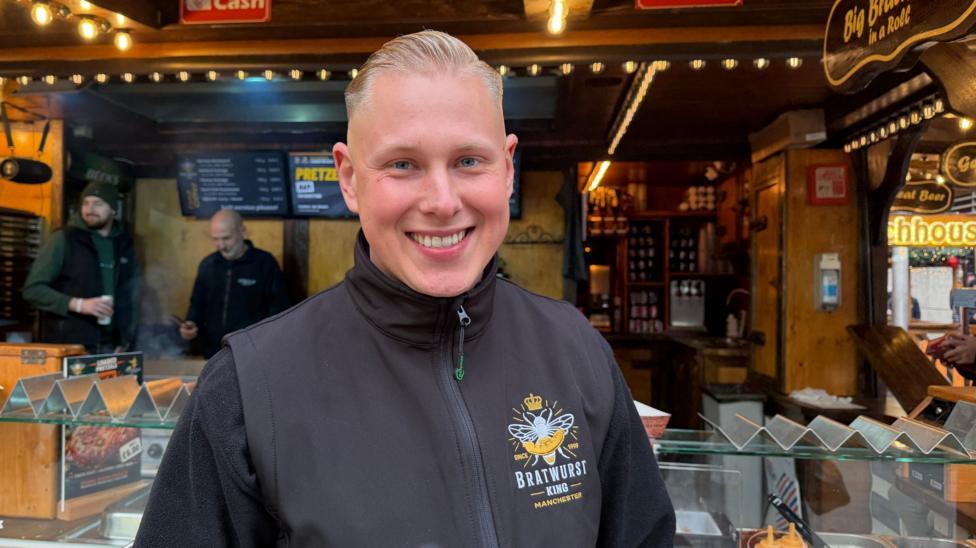
Nils Borstel, 25, helps manage Bratwurst King, a family operation that has run stalls at the markets since 1999. The business now operates four separate stalls across the city centre. A sausage that sold for £3.50 years ago now costs £8—a more than doubling of the price. Yet Borstel is clear about the outcome:
"But we don't earn more money."
The family employs around 15 workers who travel from Germany each season, supplemented by UK-based staff. Borstel attributed the price increases to rising costs for meat, electricity, staffing, and accommodation. He noted that despite strong crowds and favourable weather during the opening weekend, customer behaviour had shifted noticeably. Some visitors now purchase a single portion to share rather than buying individual meals, a change he has observed since 2019 when spending was far more relaxed.
Borstel acknowledged the prices were high and expressed reluctance about raising them further, but maintained they were necessary to sustain the business.
"He acknowledged that prices were high and did not want to increase them, but said the they were necessary to cover expenses."
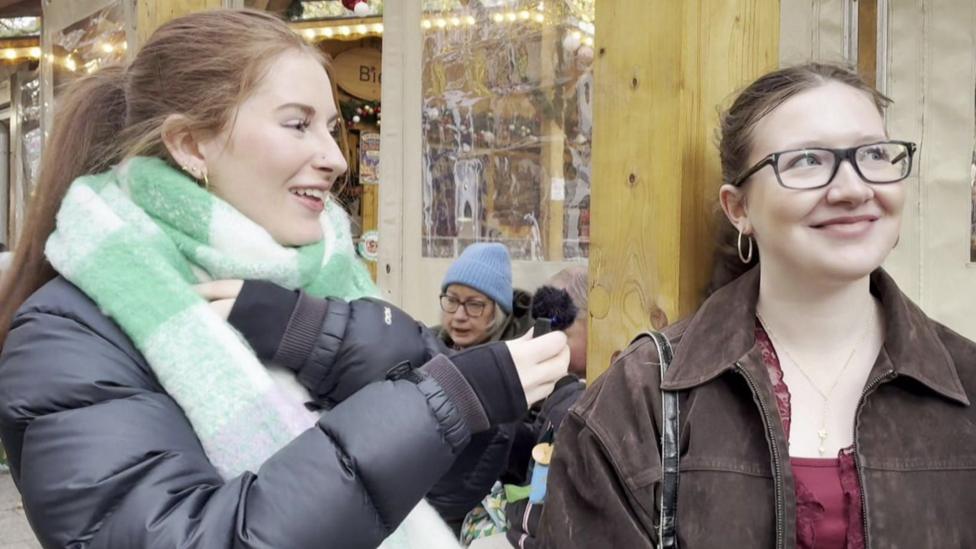
Among those questioning whether the value matched the cost were Neve and Poppy, both 18. Neve, a student, spent approximately £15 on a single dish, while Poppy, taking a gap year, paid £11 for a Yorkshire pudding wrap. Neve felt the portion did not justify the price, though she acknowledged the food was tasty. Both young women said they valued the experience of visiting the markets and browsing the stalls, and Neve expressed sympathy for traders, recognising that the cost of renting market space could force businesses to raise their prices.
How much does it cost to operate a stall?
Charlotte Whittle, director of CT Catering, has traded at the markets for a decade and now runs four stalls. She revealed the scale of daily operating expenses: each stall costs at least £1,000 to run, bringing her total daily costs to a minimum of £4,000. These expenses encompass staff wages, accommodation for workers, deliveries, storage, packaging, and card payment processing fees.
Whittle employs 57 people across her four market sites. The business requires two weeks of preparation before the markets open and another two weeks to dismantle the stalls after Christmas. Parking three vans in Manchester city centre alone costs £100 daily—a necessity for replenishing stock during the busy trading period. The stock and packaging costs themselves have increased substantially over the years.
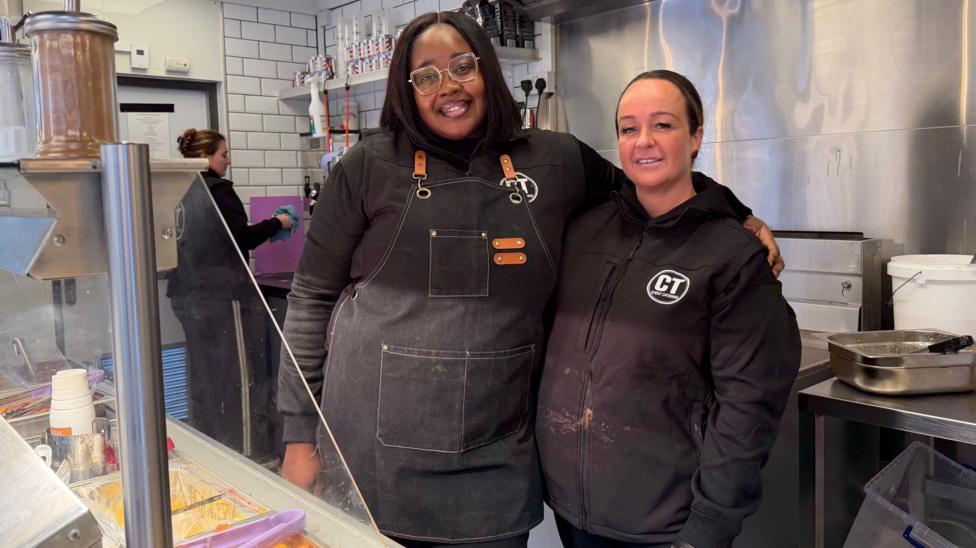
Despite these pressures, Whittle has chosen not to pass all costs to customers. She has increased some prices but deliberately absorbed a portion of the cost increases rather than risk deterring shoppers.
"We've had to take a massive cut on profits,"she said. Whittle also contended that the quality of street food at the markets has improved significantly and now compares favourably with restaurant offerings, suggesting customers are receiving better value than they may realise.
Are all traders raising prices?
Not every operator has responded to rising costs by increasing prices. Clark Murphy, whose family has traded at the markets for 22 years, runs Mr Crimble Crumble, selling fruit crumbles from two stalls. His business has kept most prices unchanged for three years and has actually reduced the cost of its largest portion by £2. Murphy acknowledged that cooking oil and biodegradable packaging had become more expensive, but the business prioritised retaining loyal customers who return each Christmas.
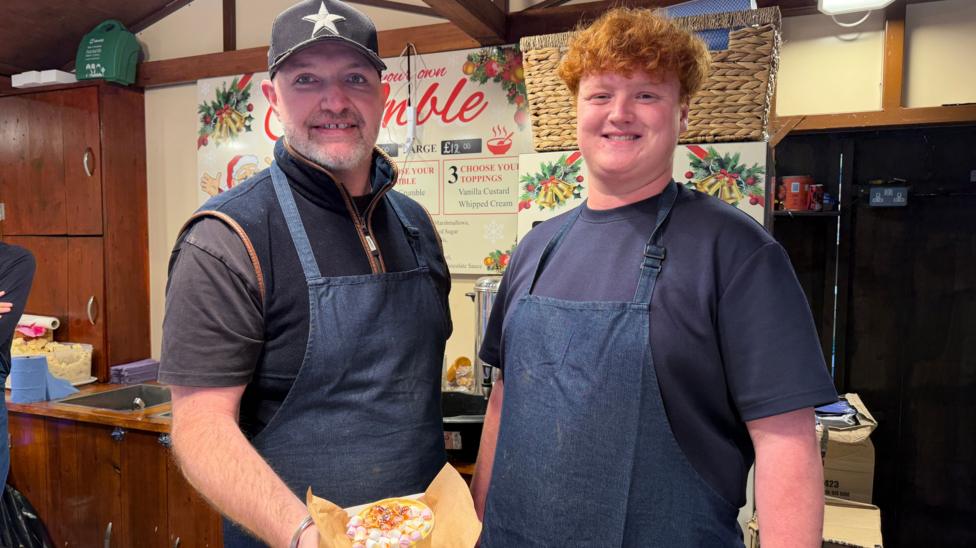
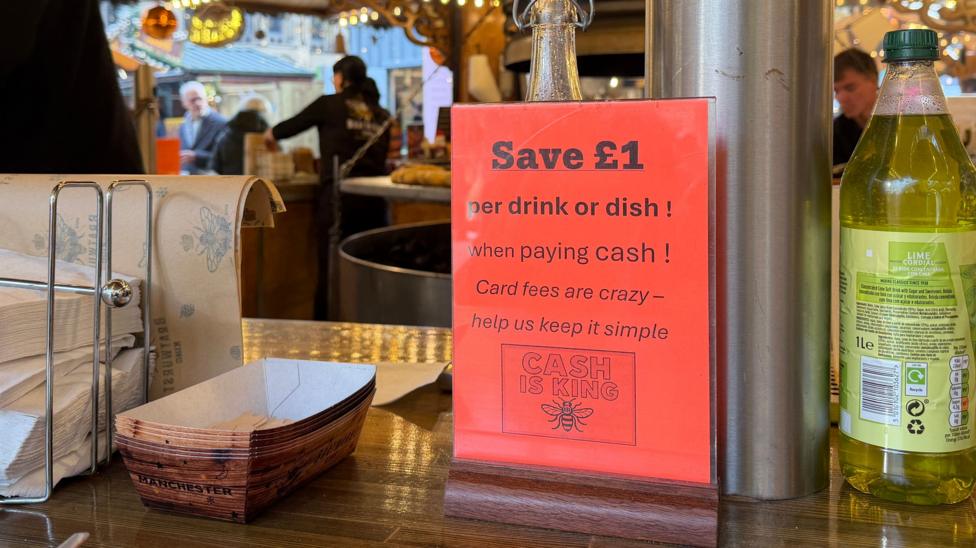
"We haven't increased our prices for three years now,"Murphy said. The business remains profitable, though margins are under pressure. Card payment fees add to operating costs, which is why some traders have begun offering incentives for cash transactions. At one food stall, a notice informed customers they could receive £1 off each drink or dish when paying cash, with the message:
"Card fees are crazy – help us keep it simple."
Can visitors enjoy the markets affordably?
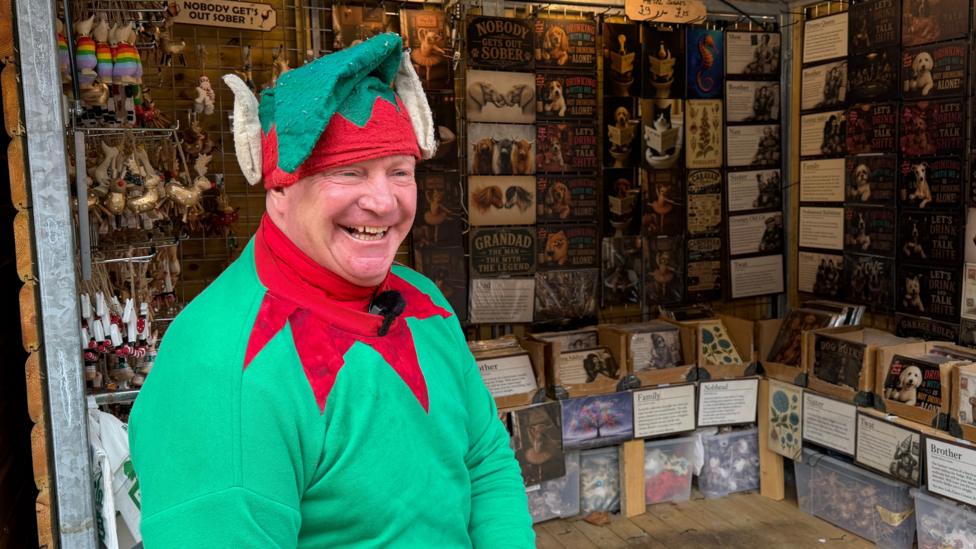
Ernie the Elf, a gift trader in his second year at the markets, sells handmade Christmas decorations in Albert Square. His products are priced at £4 each or three for £10, with metal signs at £9. He acknowledged that traders face substantial expenses including accommodation and parking, but argued the markets still offered good value. Crucially, he pointed out that visitors could enjoy the festive atmosphere without spending money at all.
Tyler and Rebecca, tourists from Australia and Hong Kong respectively, were experiencing their first English Christmas with their daughter. Rebecca purchased four brownies for £10, while Tyler paid £6 for a meat pie, which he considered reasonable. However, he described another stall's £5 charge for three marshmallow sticks as
"outrageous."Despite questioning some prices, Tyler emphasised that the experience remained worthwhile, noting:
"I think if you don't buy anything, it's still great to come."

What does this reveal about pricing across Britain?
The situation at Manchester's Christmas markets reflects broader patterns in how businesses set prices across the country. Research into London pricing shows that identical items vary dramatically by location, with operating costs, convenience, and local factors driving these differences. Some services cost nearly double depending on the borough, suggesting that traders' price increases often reflect genuine cost pressures rather than simple profit-seeking.
The Christmas market traders' experience also connects to wider economic challenges facing small businesses. Businesses across the West of England have struggled with profitability as fuel prices soar, forcing difficult choices between absorbing costs and raising prices. For market traders, who must transport stock, park vehicles, and accommodate travelling workers, these pressures are particularly acute.
What do customers need to understand?
The traders' accounts reveal a disconnect between customer perception and business reality. Many visitors assume high prices translate to high profits, yet the evidence suggests otherwise. Whittle's observation that customers underestimate the work and expense involved appears accurate—few shoppers consider the two-week setup period, the cost of staffing, storage, packaging, or the parking fees that accumulate daily.
The variety of pricing strategies also demonstrates that traders are not simply exploiting festive demand. Some, like Murphy, have actively resisted price increases to maintain customer loyalty. Others, like Whittle, have absorbed cost increases rather than pass them fully to shoppers. These choices reflect genuine business decisions made under financial strain, not opportunistic profiteering.
For visitors, the markets remain a trade-off. The festive atmosphere, variety of food and gifts, and sense of occasion have value beyond the individual transactions. Yet the prices do reflect real costs: the wages of workers who travel from Germany or across the UK, the rent for market space, the utilities, the packaging, and the logistics of operating in a city centre location. Understanding this context does not necessarily make a £5 marshmallow stick seem reasonable, but it does explain why traders feel caught between the need to charge more and the fear of pricing away the customers they depend on.