Businesses across the West of England are struggling to maintain profitability as petrol prices have climbed to nearly £2 per litre, driven by ongoing disruptions to global oil supplies stemming from conflict in the Middle East. The surge in fuel costs is forcing retailers, taxi operators and charities to make difficult choices between absorbing losses or passing increases to customers who are already cutting spending.
Disruptions affecting critical shipping routes, particularly the Strait of Hormuz, have tightened global oil supplies. According to shipping data, vessel transits through the Strait remained in single digits on 16 September 2026, demonstrating the scale of ongoing disruption. The International Energy Agency warned in August 2026 that disruptions could cut global oil supply by 4.3 million barrels per day, while crude flows through the strait rose to nearly 5 million barrels per day in early September.
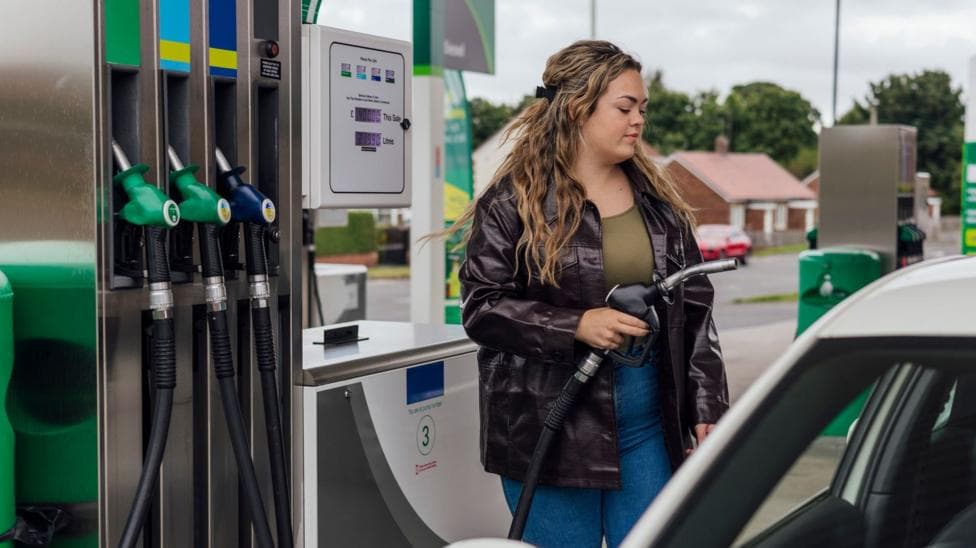
Retailers facing higher wholesale prices for fuel deliveries confront a stark dilemma: absorb the cost and erode profit margins, or raise prices and risk losing customers to competitors. Petrol prices across the region vary considerably, with rural areas commanding premium rates due to higher transport costs, lower sales volumes, and reduced local competition.
In Bristol, motorists pay an average of £1.70 per litre, while some rural stations charge significantly more. A petrol station in Hullavington, Wiltshire charges £2.40 per litre, a station in Upton Noble, Somerset charges £1.86, and another near Whaddon charges £1.96 per litre. Nationally, UK average fuel prices reached 169.4p per litre for petrol and 191.3p for diesel in the week of 14 September 2026, both rising week on week.
How are taxi operators coping?
Pieter-Jon Allis, owner of Stroud Taxi in Gloucestershire, faces relentless pressure to undercut competitors while maintaining viability.
Obviously it's a concern because our chief business cost on a day-to-day basis is fuel. I think we're headed for pretty tough times ahead,he said. At least 50 per cent of the calls his business receives are pricing enquiries, as customers compare rates with rival services including ride-hailing platforms.
We're under a continual pressure to lowball ourselves and do prices we were doing 15 years ago, even though fuel prices are at an all time high,Allis explained.
It's just a complete nightmare in that respect.
What options do petrol station operators have?
Susannah Moffat, who operates Ledbury Road Services in Tewkesbury, Gloucestershire, is reluctant to raise prices for fear of losing trade.
The only thing we can do is keep cutting our margin, time and time again, to try and keep the price increases to a minimum,she said. Her station has shifted strategy to rely increasingly on shop sales to offset fuel margin compression.

It's a difficult business to be in at the moment. Seems like there's no end in sight really, but hopefully it won't be forever,Moffat added. This pattern reflects a broader squeeze on independent retailers, many of whom lack the scale to absorb cost increases that larger chains might manage.
How are charities affected?
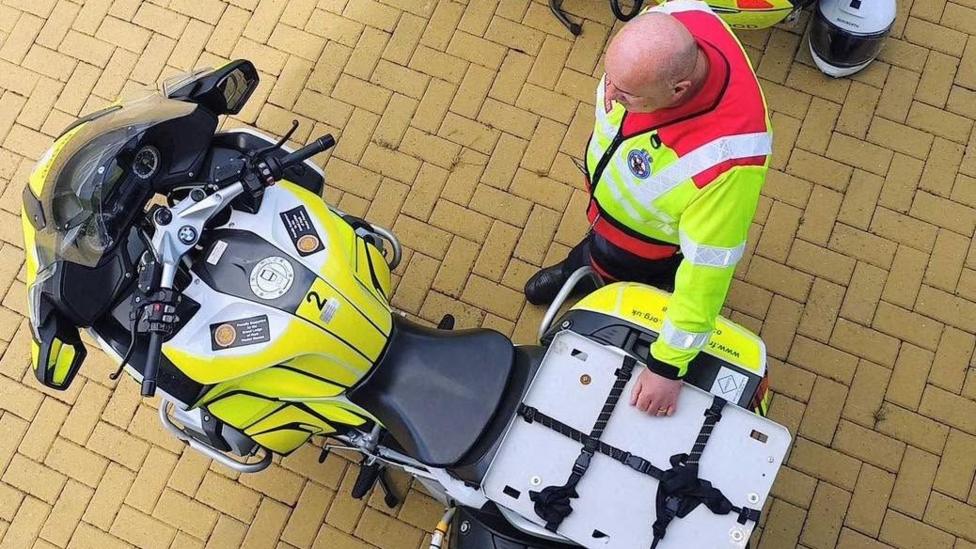
Volunteer-run blood bike charity Freewheelers, which supports the NHS by delivering lifesaving medical products across Bristol, Somerset, Bath and west Wiltshire, faces mounting pressure on its reserves. The organisation covers an operational distance exceeding 220,000 miles annually.
Chris MacDonald, chair of the Bristol branch, outlined the financial impact:
We've spent £17,000 on fuel per year over the last couple of years. This current year it's heading towards £22,000, so it's a significant jump.The charity relies entirely on public fundraising and has warned that sustained price rises could force reductions in lower-priority callouts.
But we're not there yet. We can sustain the current situation for a while by digging into our reserves,MacDonald said, though the trajectory is unsustainable without intervention or price stabilisation.
What is the broader economic impact?
The fuel price surge is affecting the wider economy. Petrol and diesel prices contributed to pushing the UK inflation rate to 3.1 per cent on 16 September 2026, according to official data. Small businesses across sectors—from haulage to agriculture—face mounting pressure, with some reporting hundreds of pounds in additional weekly costs.
The situation reflects a pattern established earlier in 2026, when farmers in the West of England reported that soaring fuel and fertiliser costs had doubled their expenses amid the same Middle East conflict, with limited ability to pass costs to consumers. Taxi operators, petrol retailers and charities now face similar constraints.
Government advisory fuel rates, which inform business mileage allowances, were updated on 1 September 2026, with petrol above 2000cc rising to 27p per mile, though these rates lag behind actual market prices and provide limited relief to businesses operating at tighter margins.
Key Facts
- Petrol prices in the West of England range from £1.70 per litre in Bristol to £2.40 in rural Wiltshire, with rural areas charging premiums due to higher transport and lower sales volumes
- Global oil supply disruptions stem from ongoing Middle East conflict affecting the Strait of Hormuz, with vessel transits remaining in single digits as of mid-September 2026
- Freewheelers blood bike charity faces a jump in annual fuel costs from £17,000 to approximately £22,000, forcing reliance on reserves and threatening service reductions
- Taxi operators and petrol retailers report margin compression, with limited ability to raise prices without losing customers to competitors
- Fuel price rises contributed to UK inflation reaching 3.1 per cent in September 2026