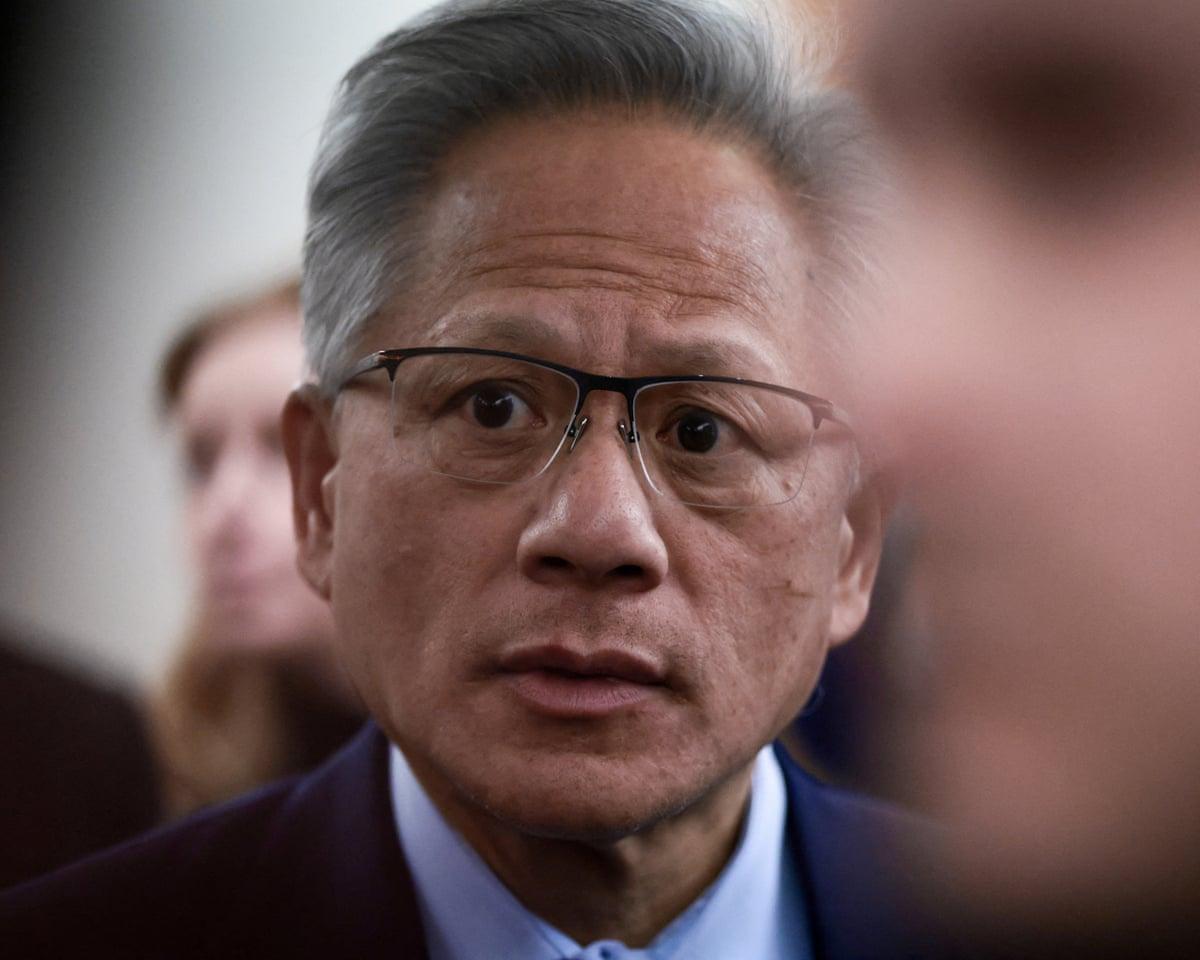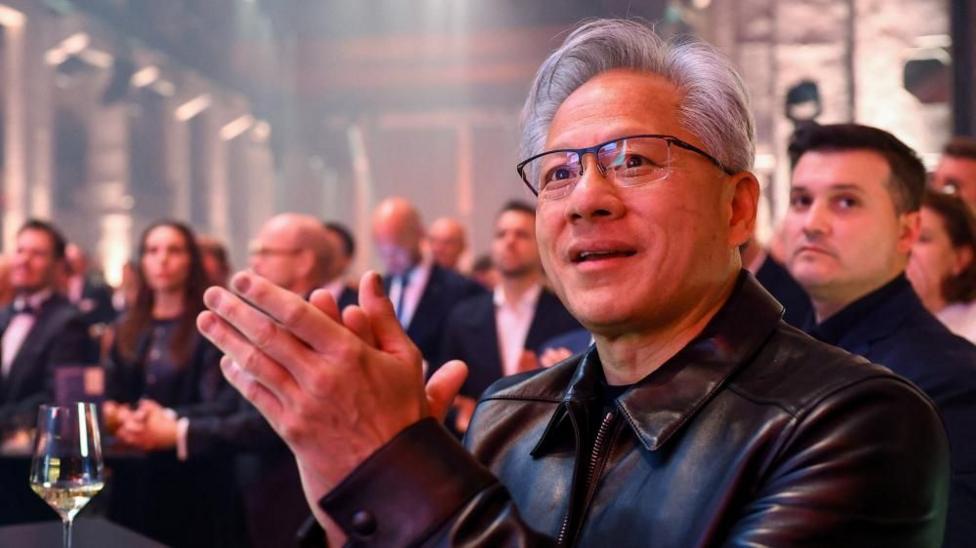
Nvidia confronts an unprecedented scenario: the potential departure of Jensen Huang, the chief executive and co-founder who transformed the company into the world's second most valuable enterprise after Apple. The AI chip-making giant faces this possibility following reports of extramarital affairs, including one involving a woman suspected of being a Chinese spy. According to BBC News, Nvidia's board is reportedly convening to determine whether Huang should be replaced.
The leadership crisis has already shaken investor confidence. Nvidia's stock plunged 8% following the scandal reports, erasing $600 billion in market value during the week. The company has launched an independent investigation and engaged the law firm Wachtell, Lipton, Rosen & Katz to probe the allegations. Huang has stated he was unaware the woman involved was working for Chinese intelligence, and President Trump indicated he believes Huang's account. However, the scandal has drawn bipartisan congressional scrutiny and triggered broader market turbulence.
Who are the internal candidates?
Identifying a successor to lead the business Huang co-founded over three decades ago presents a formidable challenge. The company's board is likely to consider internal appointments initially before exploring external options.
Could the finance chief take the helm?
Colette Kress, Nvidia's chief financial officer and executive vice president, has emerged as a potential interim leader capable of stabilising the company and preventing further share price deterioration. With more than 30 years in the technology sector, Kress has held senior positions at Cisco and Microsoft before joining Nvidia. She has witnessed the company's evolution from a video game chip manufacturer in the early 1990s to a dominant force in AI semiconductors.
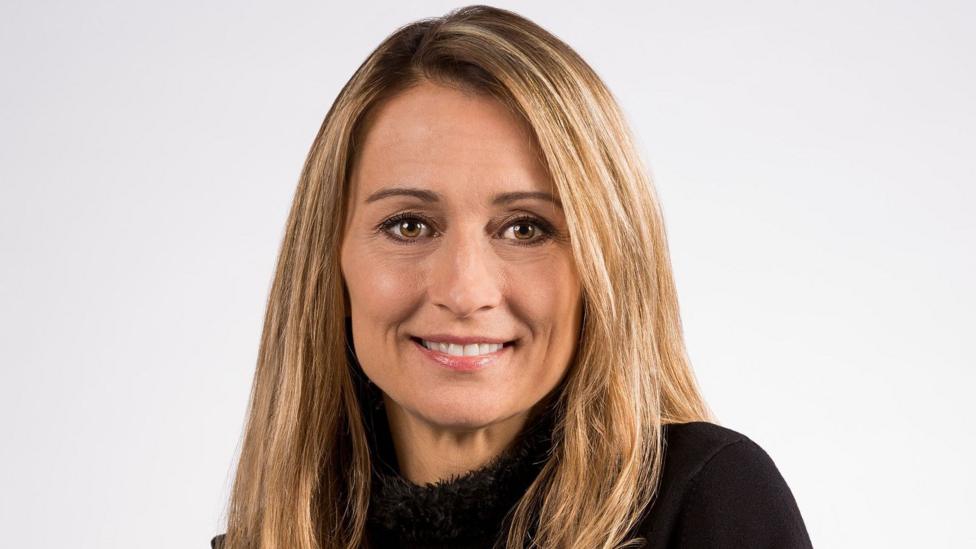
Kress maintains a prominent public profile, fronting every earnings call alongside Huang. Josh Gilbert, an analyst at investment firm eToro, described her as a "familiar and trusted voice for the market at a time when it badly needs one." Her established relationships with investors and analysts could provide reassurance during the current turmoil.
However, Gilbert cautioned that permanent leadership might require different qualifications. Given Nvidia's reputation for technological innovation, the board may prefer an engineer in the chief executive role rather than a finance specialist, even one with Kress's extensive experience and market credibility.
What about the co-founder and the engineer?
Chris Malachowsky, who founded Nvidia alongside Huang and Curtis Priem, represents another internal option. As the sole executive sharing Huang's level of seniority, Malachowsky has been instrumental in developing the company's core computing technology and possesses deep institutional knowledge of Nvidia's strategic direction.
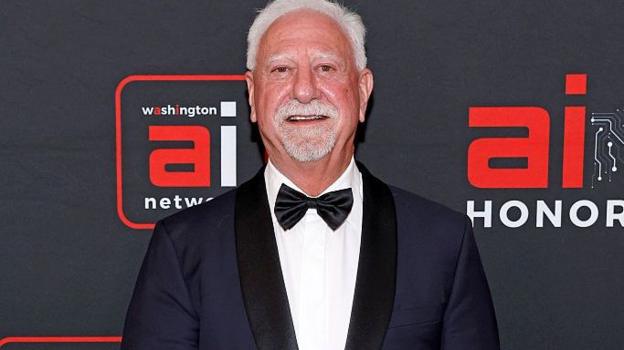
Ian Buck, who leads Nvidia's high-performance computing division, has also surfaced as a potential candidate if the company seeks to elevate an engineer to the top position. Buck was among the early innovators who expanded the use of graphics processors beyond gaming into broader computational applications. His technical expertise could help preserve Nvidia's technological advantage in an increasingly competitive landscape.
Charu Chanana, investment strategist at investment bank Saxo, noted that Buck "could protect Nvidia's technological edge, but his ability to manage the wider commercial relationships and geopolitical challenges would face scrutiny." Today, Nvidia's processors are widely regarded as the industry standard for AI development, a position that demands both technical mastery and sophisticated stakeholder management.
Huang's children also hold executive positions at Nvidia but are relatively young for the chief executive role at this stage in their careers.
Who might Nvidia recruit from outside?
If the board determines that an internal successor lacks the necessary experience or profile, external recruitment could follow. Jun Bei Liu, founder and lead portfolio manager at Ten Cap, suggested several names from the broader technology sector have been discussed by analysts and investors.
Tim Cook, Apple's former chief executive and current chair, has been mentioned as a possibility given his expertise in managing global supply chains. Nvidia's processors are manufactured through partnerships with chipmakers worldwide, including Taiwan's TSMC and South Korea's SK Hynix and Samsung. However, Liu questioned whether Cook would be willing to leave Apple, where he holds the chair position.
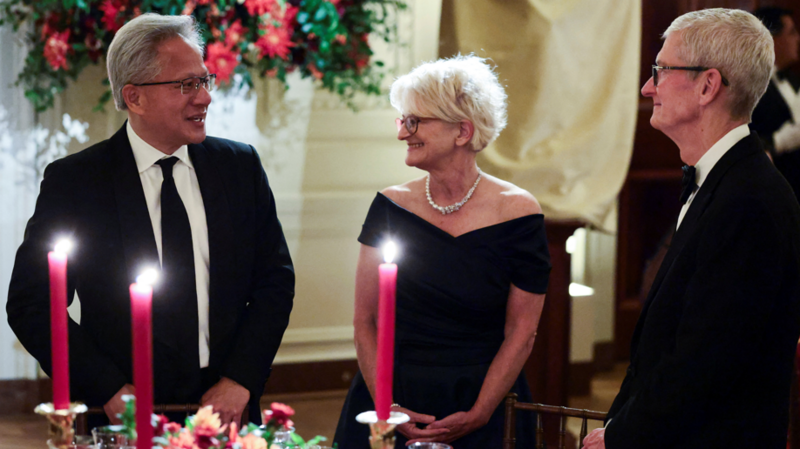
Rene Haas, chief executive of Arm Holdings, the UK-based chipmaking company, has also been suggested as a candidate. Haas brings experience leading a publicly listed corporation and possesses semiconductor industry knowledge. Chanana cautioned, however, that Arm's business model differs substantially from Nvidia's, which could present challenges in transitioning between the two companies.
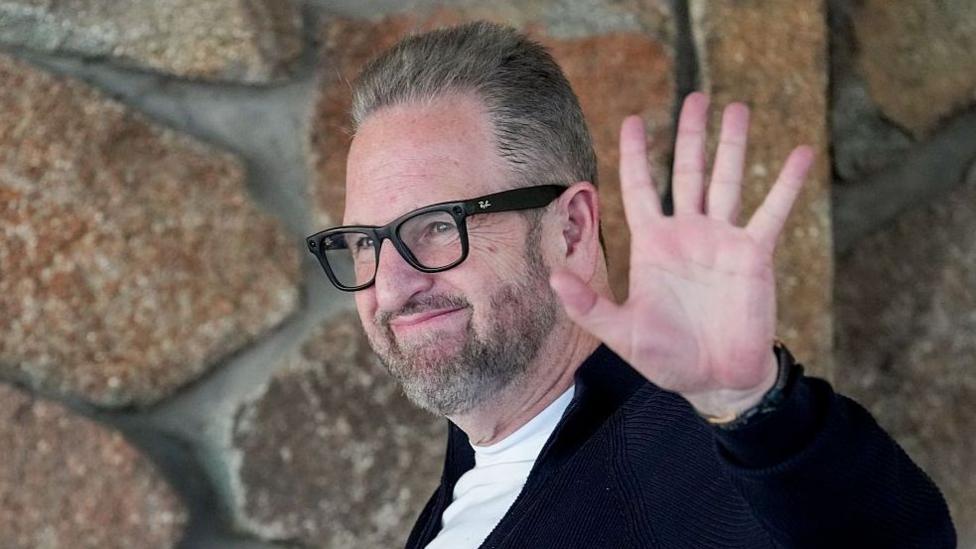
Liu emphasised the magnitude of the challenge facing the board: "The challenge is finding someone who can combine Jensen's technical understanding, strategic vision and relationships across the global technology industry." Any successor must navigate not only Nvidia's technological leadership but also the complex geopolitical environment surrounding semiconductor manufacturing and AI development.