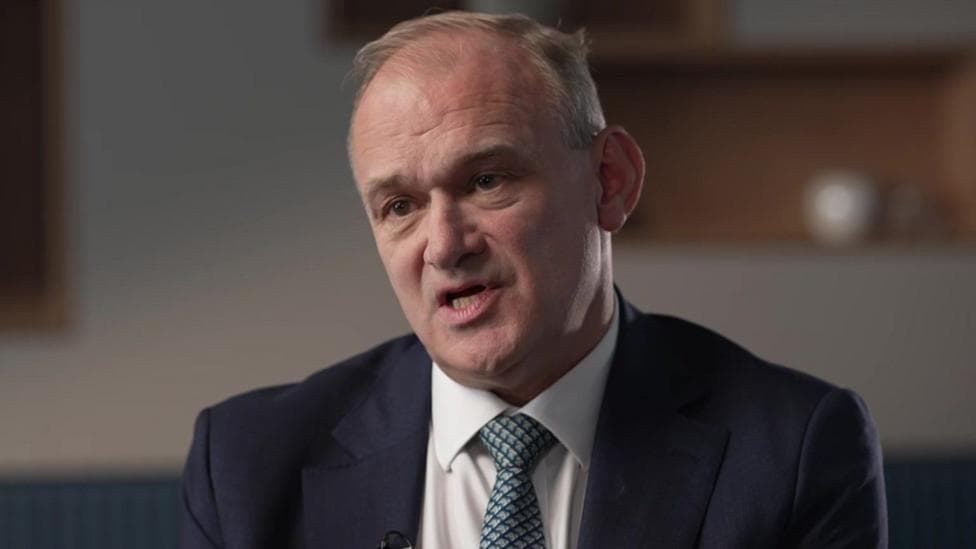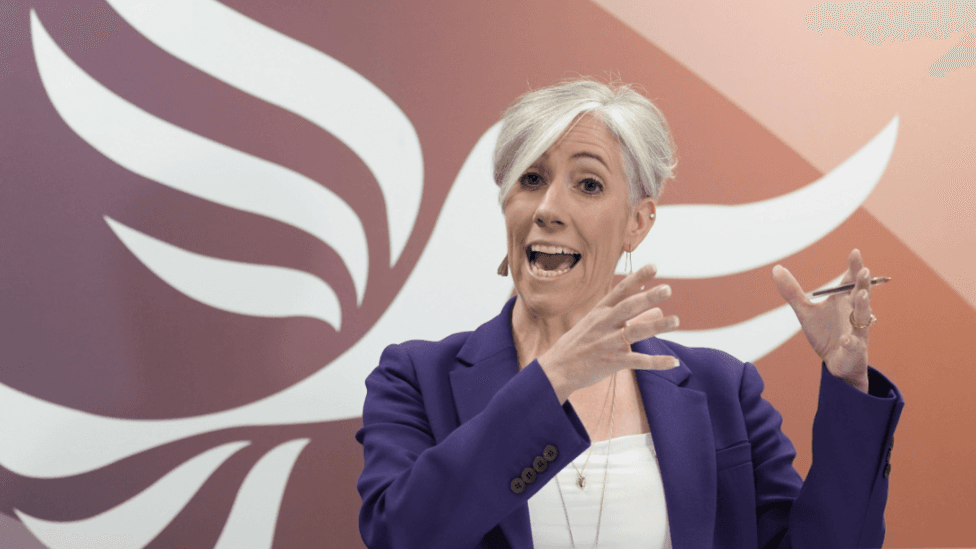
Daisy Cooper, the Liberal Democrat deputy leader and Treasury spokesperson, has warned that Britain's economic expansion is being constrained by bureaucratic obstruction and a rigid "computer says no" mentality that prevents promising ventures from scaling domestically.
At the party's autumn conference in Brighton, running from 19 to 22 September 2026, Cooper unveiled a comprehensive 30-page growth strategy designed to remove obstacles facing businesses and entrepreneurs. The plan forms part of the Liberal Democrats' broader "Powering UK prosperity" conference theme, which will feature additional policy announcements over the coming days.
Cooper highlighted a persistent pattern in which Britain generates innovative start-ups and cutting-edge research, only to see both migrate abroad for expansion and commercialisation.
"We build brilliant start-ups, and watch too many leave to scale somewhere else. We produce world-class research, and too little of it becomes a British product,"she told delegates.
"Britain has the potential. The system holds it back. The computer says no. This plan tears down the barriers to investment, to innovation, and to skills."
What structural changes does the plan propose?
The Liberal Democrats' growth strategy centres on establishing a new Department for Growth, which would consolidate functions currently split between the Treasury and the Department for Business and Trade. This restructuring, first outlined by the party in February 2026, would create a unified body responsible for setting tax policy, formulating growth strategy, determining major infrastructure investments and establishing fiscal rules.
Cooper called for the creation of a digital one-stop-shop service for businesses and investors, combining tax, regulatory, legal, Companies House and general business services into a single portal. Consolidating these functions within the new Department for Growth would reduce administrative complexity and enable small and medium-sized enterprises to compete more effectively, she argued.
How does the EU partnership fit into the growth plan?
Cooper identified a new Growth and Defence Partnership with the European Union as the most significant lever available to stimulate economic expansion. She argued that deepening institutional ties with Europe could reverse the economic damage inflicted by Britain's departure from the bloc.
"It could turbo-charge our economy and start to reverse the economic damage of Brexit which is currently costing us £90bn a year in lost tax revenue,"she said, pledging that a Liberal Democrat government would negotiate entry into the single market and customs union alongside enhanced defence cooperation.
Cooper's EU-focused growth agenda reflects broader momentum within government circles. According to , Prime Minister Andy Burnham and French President Emmanuel Macron discussed a UK "drive to get closer to Europe" earlier in September. Additionally, reported on 18 September that Chancellor John Healey was pressing the EU to include Britain in its "Made in Europe" policy, aimed at protecting industries from unfair Chinese competition, while simultaneously seeking closer cooperation on technology, defence and manufacturing.

The Liberal Democrats had already been demanding accelerated progress on a UK-EU Growth and Defence Deal, having called for such action in a press release issued on 8 September. Cooper claimed her party would articulate what
"no other party dares to say"— that Britain
"belongs at the heart of Europe, and we will take her there."
How does the Lib Dem approach differ from other parties?
Cooper sought to position the Liberal Democrats as offering a distinct economic vision compared to Labour and the Conservative-Reform alliance. She criticised Chancellor Healey's recent speech as devoid of ambition, stating it
"contained no vision, no ideas, and absolutely no mention of Europe."She also attacked the Conservatives and Reform for pursuing
"a race to the bottom without a single credible costing between them."
Cooper highlighted the appointment of Andrew Griffith as Shadow Chancellor, noting his role in delivering the Liz Truss mini-budget of 2022, which she characterised as economically damaging.
"It crashed the pound, it spiked your mortgage, it cost the country billions,"she said, adding that Nigel Farage had defended the decision. She warned that Farage's political model appeared to mirror that of Donald Trump, citing concerns about self-enrichment, dismantled anti-corruption protections and pardons for cryptocurrency-related offenders.
"We cannot allow that kind of politics to take hold in our country -- We cannot afford to allow Nigel Farage to win the keys to No 10 or let the Tories put him there."
Prime Minister Burnham has previously indicated openness to EU re-engagement, stating in earlier remarks that he would welcome Britain rejoining the European Union during his lifetime, though he acknowledged the 2016 referendum result and ruled out attempts to "re-run" Brexit debates.
What happens next at the conference?
The Liberal Democrats' Brighton conference will continue through 22 September 2026, with further policy announcements anticipated. A dedicated conference session titled "Powering UK prosperity: a plan for growth" is scheduled for 20 September 2026, suggesting additional economic proposals remain to be unveiled.

Key Facts:
- The Liberal Democrats propose creating a new Department for Growth by merging Treasury and Business and Trade functions, with responsibility for tax policy, growth strategy, infrastructure decisions and fiscal rules.
- Cooper claims Brexit is currently costing the UK £90 billion annually in lost tax revenue, which a Growth and Defence Partnership with the EU could help reverse.
- Chancellor Healey is simultaneously pursuing closer UK-EU cooperation on market access, technology, defence and manufacturing, including potential inclusion in the EU's "Made in Europe" scheme.
- The party's growth plan includes a digital one-stop-shop consolidating tax, regulatory, legal and business services to reduce administrative burden on enterprises.
- The Liberal Democrats' autumn conference runs until 22 September 2026, with additional policy announcements expected before its conclusion.