
The Bank of England's decision to raise interest rates is creating immediate financial strain for millions of households already grappling with elevated living costs. According to BBC News, families across the UK are facing sharply higher borrowing costs on mortgages, credit cards and personal loans as the central bank attempts to control inflation driven by Middle East tensions.
On 5 November, the Bank of England raised its base rate by 0.25 percentage points to 4%, with the Monetary Policy Committee voting 8–1 in favour. Experts warn that additional increases may follow over the coming months as the conflict continues to push up food, fuel and energy prices across the UK and globally. The impact varies sharply depending on mortgage type and personal circumstances, leaving some households facing hundreds of pounds in extra monthly costs.
The outlook is particularly bleak for borrowers. The Bank's November forecast projects that average annual mortgage payments could be about £700 higher by the end of 2029 than forecast in July, and roughly £1,500 higher than before the Middle East conflict began. Meanwhile, mortgage approvals for house purchases fell 8% in the three months to September compared with the previous three months, reaching their lowest monthly level since 2023.
How do variable-rate mortgages respond to rate rises?
Variable-rate mortgages track the Bank of England base rate plus a margin set by the lender, meaning any increase in official rates translates directly into higher monthly repayments. Around 1.3 million Britons hold variable-rate mortgages and face immediate pressure from the latest decision.
Peter Gill, 48, who runs a small tiling business in Halifax, is one of those affected. The latest quarter-percentage point increase will push his monthly repayments up by roughly £45, and he fears further hikes could follow. Despite the rising costs, he believes switching to a fixed-rate deal would be even more expensive and has decided to remain on his variable arrangement for now.

Gill's situation reflects broader financial pressures on working families. He and his wife Faye have a combined household income of £45,000 and support two children. Beyond the mortgage increase, he is paying his staff more due to national minimum wage rises, and raw material costs for his business have climbed because of the Iran conflict. The family's food, gas and electricity bills have all risen, forcing him to work roughly six and a half days a week to protect his household from the worst effects.
From my point of view, inflation goes up which costs you, then interest rates go up and you have even less money.
Why are fixed-rate mortgages becoming more expensive?
Most UK mortgage holders are on fixed-rate deals, which lock in a set monthly payment for a defined period. However, fixed rates have already climbed substantially in anticipation of the Bank of England's moves, leaving borrowers facing shock increases when their deals expire and they must refinance.
David Hollingworth, from mortgage brokers L&C Mortgages, warns that many people will be startled by how much higher fixed-rate deals have become compared with five years ago.
Fixed rates have already risen due to market anticipation that interest rates would need to rise to combat higher inflation,he explains. The Bank reported that benchmark two-year mortgage rates had risen by nearly 50 basis points since early September as higher market rates fed through to households and businesses.
Dawn Fazackerley-King, a Pilates instructor living near Ipswich, faces a particularly severe squeeze. She secured a five-year fixed-rate mortgage at 1.4% in January 2022, but that deal is expiring and she must refinance. The best rate available to her is now 5.69%, which will increase her monthly costs by approximately £200. She and her husband, who earn a joint income of about £70,000, have already scrutinised their direct debits and found little room to cut further.
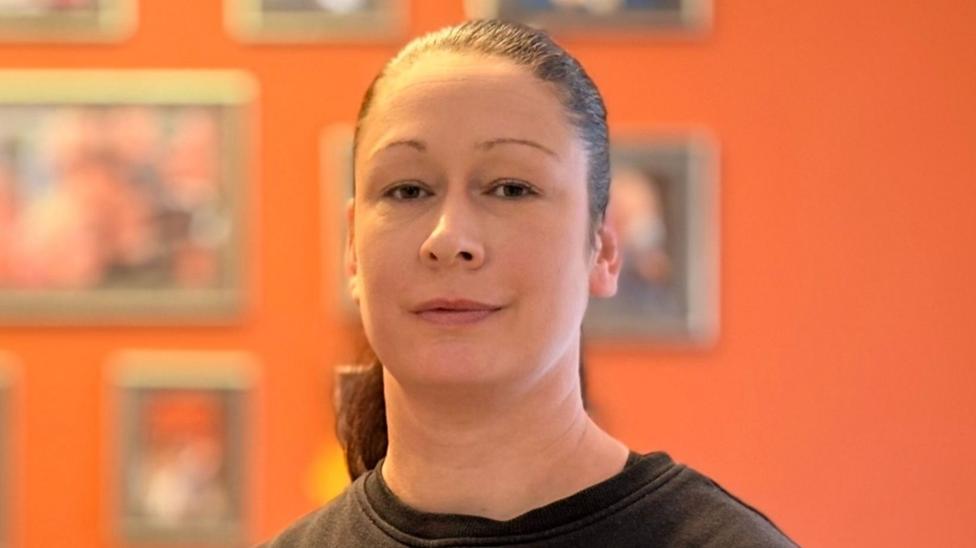
I don't know where that money is going to come from, it's something we are going to have to figure out as a family. It's stressful.
The mother of two points out that her household circumstances have not changed—she is living in the same property with the same household costs—yet she faces an additional several hundred pounds in monthly expenses with nothing tangible in return. Both she and her husband work full time, leaving no opportunity to increase their income through additional work.
How do credit card and personal loan rates respond?
When the Bank of England raises its base rate, credit card providers and personal loan lenders typically increase their interest charges, though the impact is not always immediate. Providers can raise rates on outstanding debts with 30 days' notice, putting pressure on those already carrying balances.
Ben Thomas, 41, from Shropshire, faces mounting pressure from credit card debt. He abandoned his career as a chartered accountant during the Covid pandemic following a mental health crisis and retrained as a paramedic. The career change left him with significantly lower income, and he became reliant on credit cards and personal loans for everyday expenses. He now carries £52,000 in total debt.

Thomas has negotiated a pause on interest for most of his debt, but he still incurs charges on around £2,000 of credit card borrowing and worries about rising repayments. Combined with overall debt repayments of roughly £300 a month and a mortgage payment of £760, alongside higher food and energy bills, the prospect of further rate rises adds to his financial burden.
With all that's going on, rising interest rates is another cost to deal with,he tells the BBC.
Simon Trevethick, head of communications at StepChange debt charity, which has been supporting Thomas, reports alarming trends. The organisation has seen a 20% increase in people seeking support this year and warns of tougher times ahead.
If higher borrowing costs feed through into household budgets over the coming months, we could see further pressure on people seeking support.
What happens next?
The next Bank Rate decision is scheduled for 17 December 2026. Households and businesses will be watching closely to see whether the Monetary Policy Committee votes for another increase or pauses to assess the impact of the November rise on the economy and inflation.