Across Japan, thousands of properties sit empty or rent far below market value because of their dark histories. These "jiko bukken"—stigmatised or incident properties—have become an unexpected opportunity for cost-conscious renters and buyers willing to overlook supernatural concerns. According to BBC News, the phenomenon reflects both Japan's deep cultural beliefs about restless spirits and the country's acute housing affordability crisis.
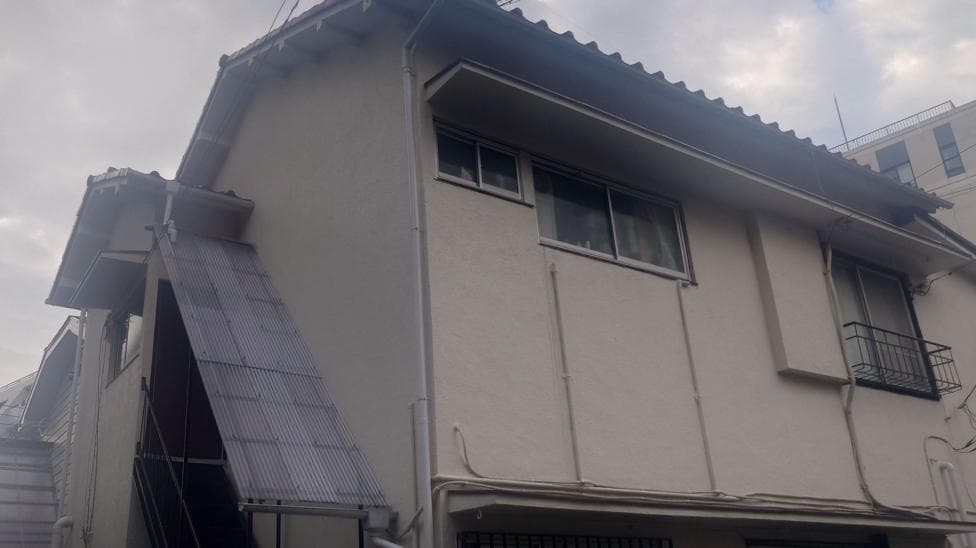
When Ryua, a young entertainer in Tokyo, first viewed her rental apartment in the fashionable Setagaya ward, she encountered something unexpected. During the viewing, she saw a man standing in the space, glaring directly at her. When the estate agent showed no sign of noticing him, Ryua realised she was looking at a ghost. Rather than flee, she made an unconventional choice: she decided to move in and attempt to befriend the spirit.
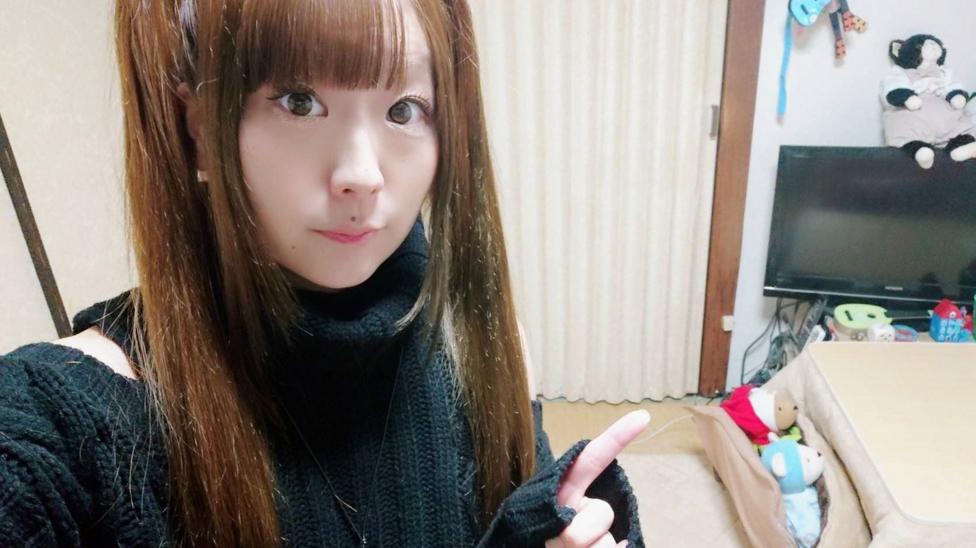
Four years after signing the lease, Ryua remains in the same 25 square metre bedsit, coexisting with what she describes as daily paranormal activity. She reports hearing constant footsteps and the sound of the ghost speaking. The previous occupant, she was told, had taken his own life in the apartment—a disclosure that came with a significant financial benefit. Ryua pays 45,000 yen (approximately £213) per month, nearly 30 percent less than the standard rent of 62,000 yen for a comparable property in the area.
Why does Japan treat haunted homes differently?
Japan's approach to properties with tragic histories stems from a centuries-old cultural framework. The country has a specific term, "yuurei," which describes a lingering, troubled spirit—the ghost of someone who died violently, by suicide, in isolation, or under other tragic circumstances. Japanese belief holds that if such a death occurs within a home, the yuurei remains trapped there indefinitely.
This cultural perspective has profound practical consequences. Under government guidelines issued in 2021, Japanese estate agents must legally disclose suicides, murders, deaths by fire, and any death where the body remained undiscovered for an extended period. For rental properties, this disclosure obligation lasts three years; for properties offered for sale, it continues indefinitely. The legal requirement reflects how seriously Japan treats the issue—a contrast to many Western nations. In the United Kingdom, there is no legal obligation to disclose a death in a property, while in the United States the rules vary by state. California requires disclosure of deaths within the past three years, whereas Arizona and Oregon impose no such requirement.
Tokyo estate agent Erik Oskamp explains that Japanese people's aversion to stigmatised properties runs deeper than in most other countries. "An apartment next to a cemetery will be difficult to rent out, especially if you can see the tombs from the kitchen," he notes. "The worst thing is if a suicide has happened in the apartment. Even if somebody has jumped from the roof, many renters will move out. Other issues are a serious crime or a lonely death." The concept of a "lonely death"—where someone dies alone and undiscovered—carries particular weight in Japanese culture but would rarely affect property values in the UK or US.
How much can buyers and renters save?
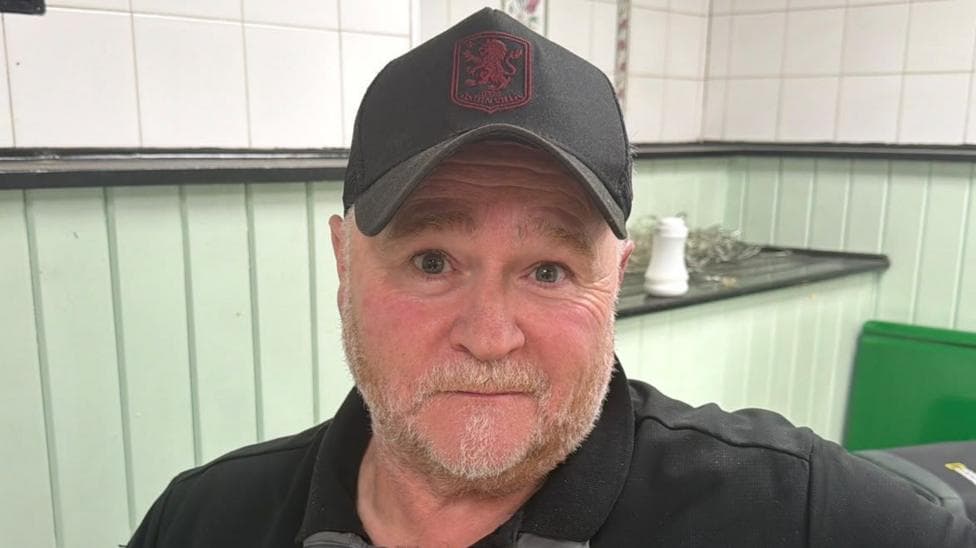
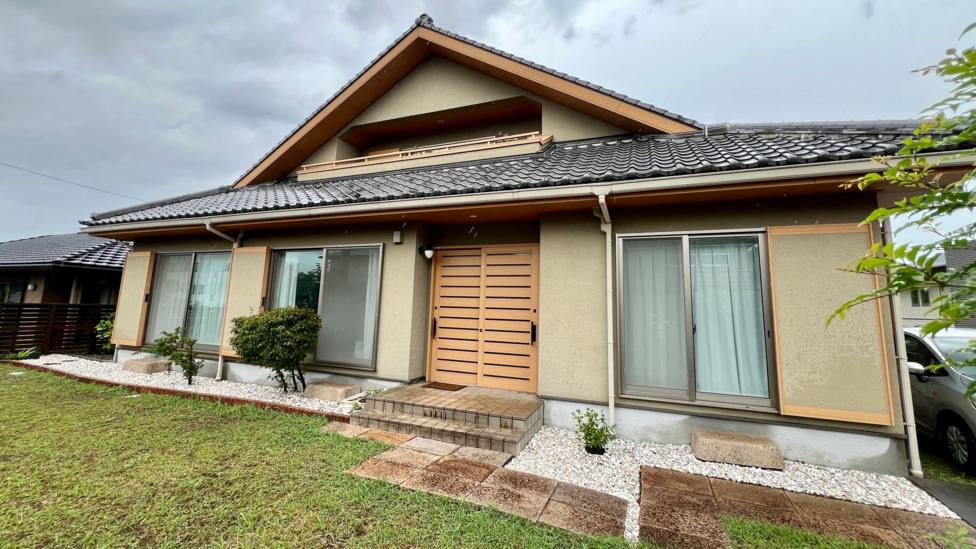
The financial incentives for purchasing or renting stigmatised properties can be substantial. In large cities, discounts typically reach around 30 percent of the standard rent, according to property specialists. In rural areas, the savings can be even more dramatic. Diane Tincher, a 79-year-old American who has lived in Japan for nearly 40 years working as a tour guide, discovered this firsthand in rural Kagoshima in the country's southwest. She purchased a large three-bedroom house for 20 million yen—approximately half the typical asking price of 45 million yen for similar properties in the region. The discount reflected the fact that an elderly woman had died alone in the house, a circumstance that triggered the property's stigmatisation under Japanese cultural norms.
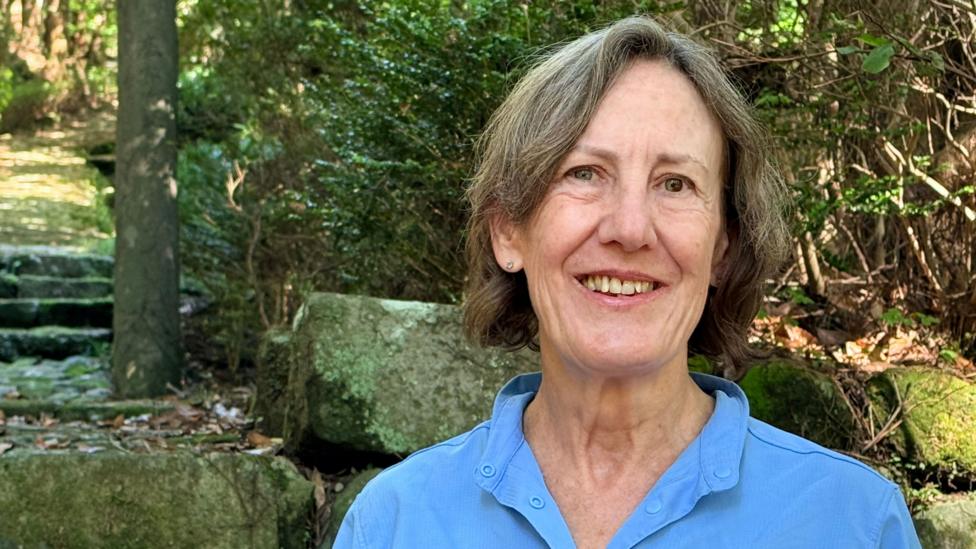
Tincher found her property through Oshimaland, a crowdsourced website dedicated to mapping jiko bukken across Japan and internationally. The platform, launched in 2005 initially covering Tokyo before expanding nationwide and then globally in 2011, allows members of the public to add properties and document the events that led to their stigmatisation. "I don't believe in ghosts," Tincher says. "But I know that the Japanese are very superstitious. If there is a ghost I'm thankful to her every day... to live in such a splendid and affordable home."
Is attitudes toward haunted homes changing?
Japan's housing market pressures are shifting perceptions of stigmatised properties. As house prices have surged and the broader cost of living has climbed, a 2025 survey found that more than half of Japanese respondents would rent a jiko bukken if the rent were sufficiently low. This represents a significant change from the past, when such properties were, in the words of Oshimaland founder Teru Oshima, "not very attractive options" in Japan.
The shift reflects Japan's broader housing crisis. A 2024 government survey counted approximately 9 million vacant homes in Japan, representing 13.8 percent of the country's total housing stock. The vacancy problem has prompted new business responses. A ghost-investigation service launched by Kachimode in December 2022 now helps property owners reassure prospective tenants and buyers by conducting paranormal investigations, attempting to address the psychological barriers that stigmatised properties face in the market.
How do residents view their ghostly housemates?
Despite the supernatural circumstances, some residents express contentment with their arrangements. Back in Setagaya, Ryua has developed a philosophical perspective on her situation. "I believe that ghosts were once living human beings, so they deserve our respect," she says. Her willingness to coexist peacefully with the spirit reflects a broader cultural acceptance in Japan of the supernatural as an integral part of daily life, rather than something to be feared or rejected outright.
The phenomenon of jiko bukken represents a convergence of cultural belief, economic necessity, and pragmatism. For those unencumbered by superstition or squeamishness, Japan's haunted homes offer genuine financial relief in an increasingly expensive housing market. For those who do believe in yuurei, the discount may simply be the price of coexisting with history.