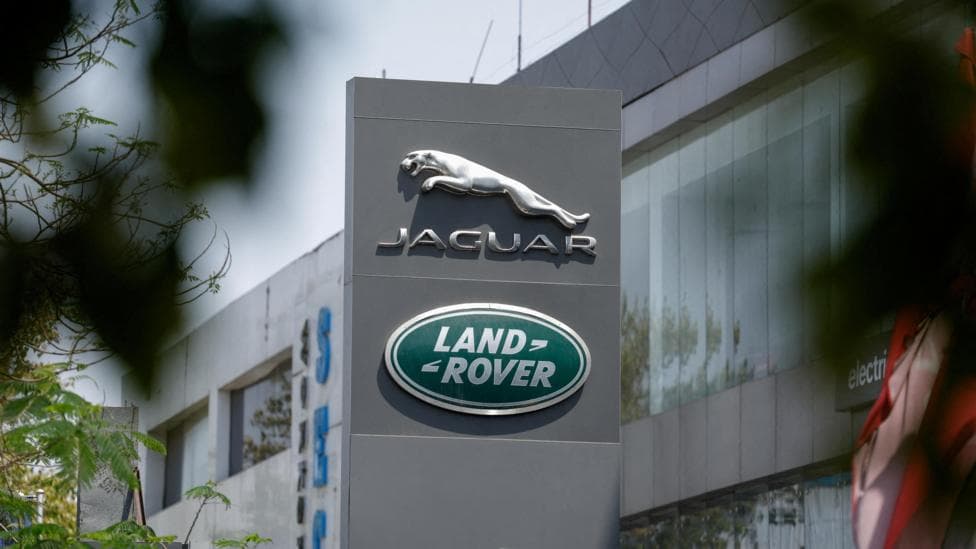
Jaguar Land Rover (JLR) has confirmed it will cut 4,000 jobs over the next two years as part of a £1.7bn cost-cutting drive, with the company opening a voluntary redundancy window for salaried and management staff until 4 October. Chief executive PB Balaji said the firm was "committed to supporting everyone with care, fairness and respect" through the redundancy process, though the company has indicated it will pursue compulsory redundancies with less generous terms if the voluntary scheme does not yield sufficient numbers.
The restructuring comes one year after a September 2025 cyber attack that halted all production across JLR's facilities for several weeks, resulting in a 27% decline in overall company production and estimated losses of £1.9bn. However, the job cuts reflect broader pressures facing the automotive sector, including Chinese competition, US tariff pressures, and the transition to electric vehicles. JLR initially viewed China as a growth market rather than a source of competition, but has since lost significant sales to Chinese rivals.
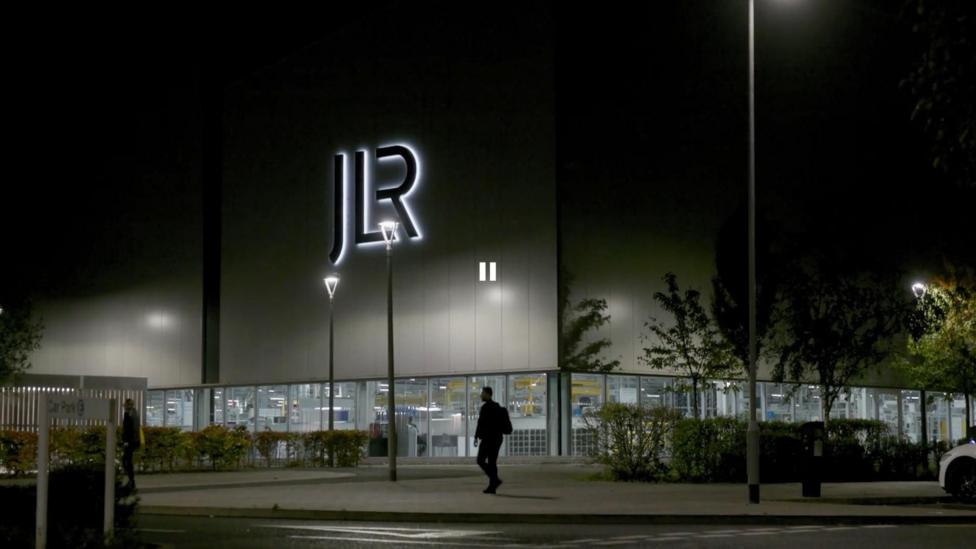
In a statement to staff and union representatives, a company spokesperson explained the rationale: "Today, we informed our colleagues, and trade union partners that JLR is opening a voluntary redundancy programme offering salaried and management team members the opportunity to leave the business. We will share further information with our colleagues first."
The firm characterised the restructuring as necessary to "simplify" its organisational structure, "improve efficiency and build greater resilience." According to external analysis of the company's position, the savings drive is being driven by U.S. tariff pressure, weakness in the Chinese market, and ongoing production disruptions stemming from the previous year's cyber incident. The company stated it must achieve the £1.7bn in savings over the coming two years to navigate what it described as "evolving global market conditions," with the goal of bringing its annual cash breakeven point down to roughly 300,000 vehicles.
Most of the job cuts will affect the head office, which is based in the UK. JLR employs approximately 43,000 people globally, with around 30,000 across its UK operations at sites in Coventry, Solihull, Wolverhampton, and Merseyside. As one of the West Midlands' largest employers, any significant workforce reduction carries substantial implications for the regional economy.
What is the government's response?
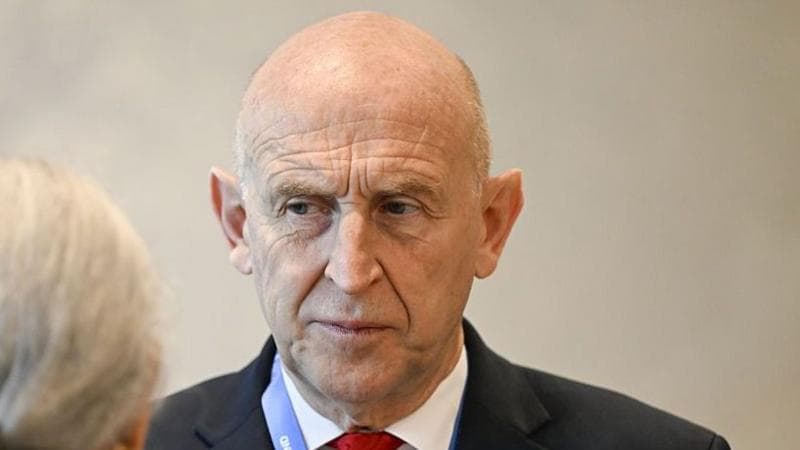
Business Secretary Jonathan Reynolds said he would meet JLR bosses and Unite union representatives early next week to discuss the impact of the job cuts. Reynolds told a national broadcaster that the meeting would focus on ways to "mitigate any job losses" but ruled out a bailout for the company. He acknowledged that a company the size of JLR would experience workforce changes at various points in its business cycle, but said the government was willing to explore "long-term investment in the future" of the business if it would improve competitiveness. Reynolds also indicated the government would not provide support "if it's to bail people out." The Business Secretary noted he had already given the automotive industry more flexibility on electric vehicle sales targets and said there was a further consultation open on the matter, as the current targets "are not where they need to be."
Chancellor John Healey is preparing to deliver a speech in the Midlands on Monday promising to boost economic growth by changing how the government values investment in infrastructure such as transport and housing.
What triggered this restructuring?
The September 2025 cyber attack caused a complete shutdown of manufacturing across all JLR facilities for several weeks, resulting in zero vehicle production during that period. This incident led to a 27% decline in overall company production and was estimated to have cost the business £1.9bn in direct and indirect losses. The attack was described by analysts as the costliest cyber incident in UK history.
In June of this year, JLR had already announced its intention to cut £1.7bn in costs as part of its recovery from the attack, with planned reductions across materials, warranty expenses, and fixed costs. At that time, the company had not formally detailed any specific workforce reductions, meaning the current voluntary redundancy programme represents a more concrete implementation of those earlier cost-cutting intentions.
How does this compare to earlier redundancy plans?
In July, JLR had indicated that fewer than 300 people would leave the firm under a separate cost savings and redeployment programme announced at that time. The current voluntary redundancy scheme represents a substantially larger restructuring effort, suggesting that the company's financial pressures have intensified since the summer announcement. The company has not ruled out the prospect of compulsory redundancies as part of the plans, with management indicating it will pursue such measures with less generous terms if the voluntary window does not produce sufficient uptake.
What is the union's position?
Unite general secretary Sharon Graham said the union had been warning about a "perfect storm" hanging over the automotive industry for some time. "Death by a thousand cuts has been going on under the nose of successive governments," she said. The union indicated there had been "intensive" discussions over the weekend about mitigating job losses.
What is the broader context for automotive job cuts?
JLR's restructuring reflects wider pressures affecting the global automotive sector. In May 2026, Nissan announced plans to cut 900 jobs across Europe as part of a consolidation strategy, while in July, Volkswagen Group signalled its intention to eliminate up to 100,000 positions worldwide amid profit declines and intensifying competition. These industry-wide challenges underscore the difficult trading environment facing major vehicle manufacturers, particularly as they navigate the transition to electric vehicles and contend with new sources of competition from Chinese manufacturers.
What happens next?
The voluntary redundancy window remains open until 4 October 2026. The company has committed to sharing further details with staff before proceeding with the redundancy programme. Business Secretary Reynolds is scheduled to meet with JLR bosses and union representatives early next week to discuss mitigation measures. The savings target is expected to run through the next two fiscal years, with the restructuring forming part of JLR's broader recovery strategy. Further details regarding implementation timelines and support for affected employees are anticipated in coming weeks.
Key Facts
- JLR is cutting 4,000 jobs over two years as part of a £1.7bn cost-saving drive, with a voluntary redundancy window open until 4 October 2026
- Most cuts will affect the head office in the UK; the company employs approximately 43,000 people globally, including 30,000 across UK operations
- The restructuring follows a September 2025 cyber attack that halted all production for several weeks and cost the company an estimated £1.9bn, but is also driven by Chinese competition, US tariffs, and the transition to electric vehicles
- The company will pursue compulsory redundancies with less generous terms if the voluntary scheme does not yield sufficient numbers
- Business Secretary Jonathan Reynolds will meet company bosses and union representatives to discuss ways to mitigate job losses, but has ruled out a company bailout