When is a sale genuinely a sale? Across the high street and online, numerous retailers appear to operate in a state of perpetual discount, raising questions about whether shoppers are truly getting value. Prime Minister Andy Burnham has pledged to end what he calls "phoney bargains", and this autumn the government will launch a consultation on whether to ban misleading discount claims under the Digital Markets, Competition and Consumers Act 2024. To understand what retailers can and cannot do, we spoke to legal experts and consumer advocates about the rules that already exist—and the gaps that remain.
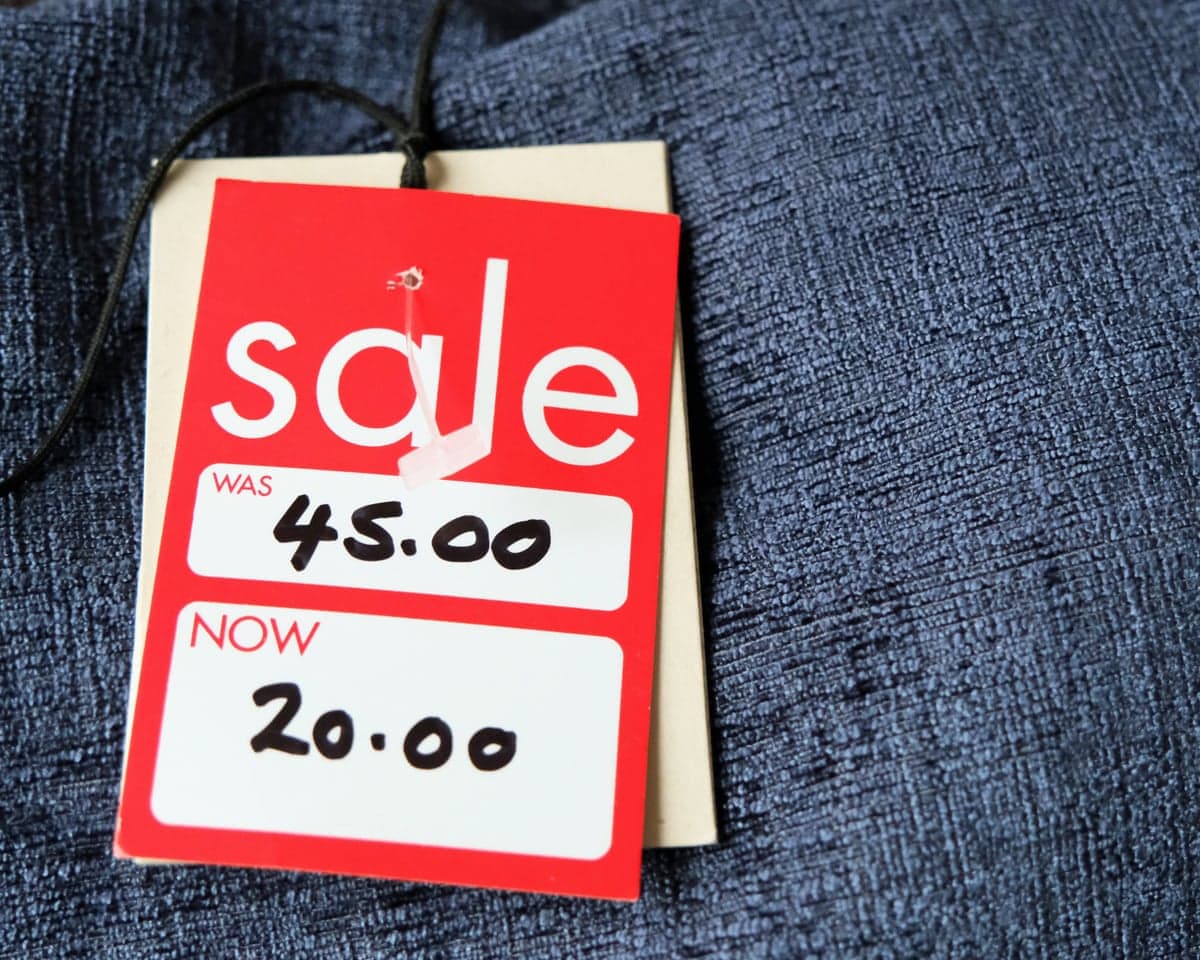
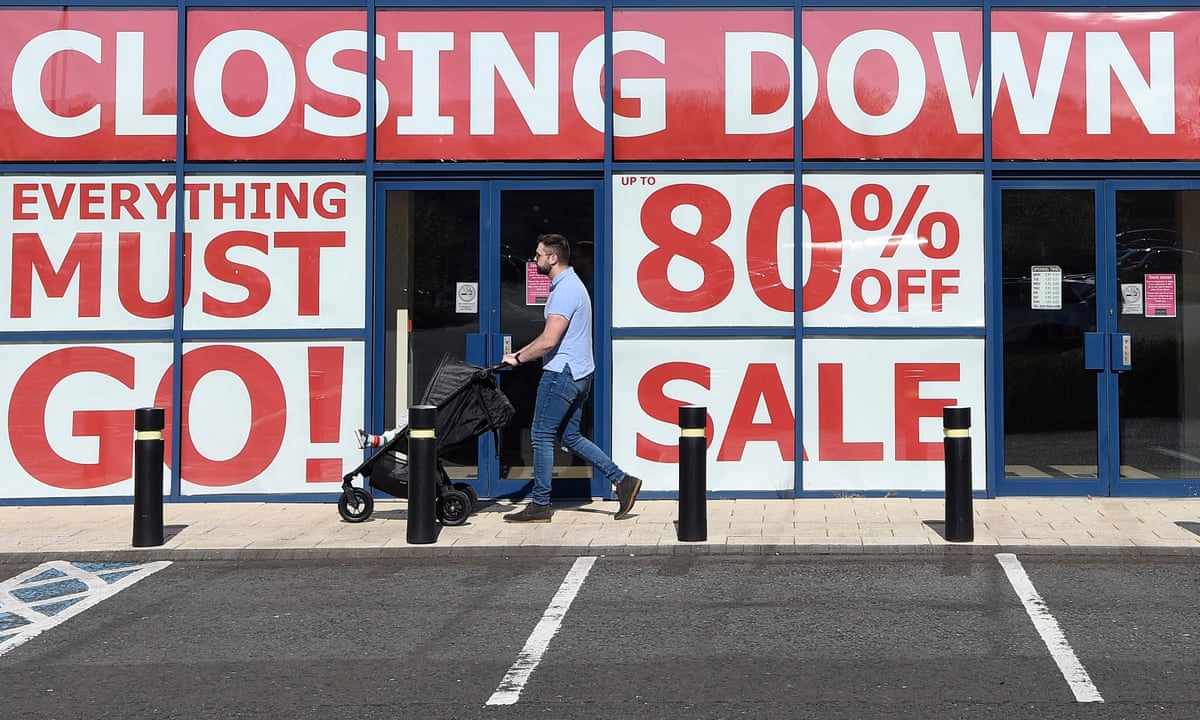
The challenge facing regulators is substantial. Some businesses employ tactics such as closing-down sales that persist for years, or crossed-out original prices that customers cannot recall ever paying.
"If something is advertised as half price, it should actually be half price,"Burnham said when announcing his intention to tackle the issue. Yet determining what constitutes a genuine discount, and what crosses the line into deception, involves complex legal and practical considerations.
What the law already prohibits
The good news for consumers is that misleading pricing tactics are already illegal in many cases. The 2024 Act prohibits "unfair commercial practices" by retailers, including misleading actions and omissions. These rules are enforced by the Competition and Markets Authority (CMA) and by Trading Standards offices across the country.
When the CMA identifies a retailer that has misled customers, it can issue financial penalties of up to 10% of the company's global turnover and compel the business to issue refunds, without requiring a court hearing.
However, the current enforcement process has significant limitations. To take action against dodgy discounts, the CMA must meet certain legal thresholds that can be difficult to establish. The regulator must demonstrate through an internal process that a misleading price actually influenced the average consumer to make a purchasing decision they would not otherwise have made. This means proving that a deceptive discount caused someone to buy something they might have avoided.
Sue Davies, head of consumer rights policy at Which?, the consumer organisation, explains that this process is time-consuming and costly. CMA investigations typically take three to six months, and can extend considerably longer.
"It just makes it more straightforward for them to be able to pursue a case rather than having to go through more complicated legal arguments and provide a lot of evidence in order to make the case that something is misleading,"Davies says of the proposed changes.
This is why the government is keen to add egregious and false discount claims to the existing list of 32 practices that are automatically banned under the act. According to legal analysis of the government's plans, the consultation will examine whether fake "was" prices, invented discounts, and misleading recommended retail prices (RRPs) should be treated as automatically unfair in all circumstances. This would mean the CMA and trading standards would not need to prove that any individual consumer was actually deceived—the practice itself would be prohibited.
How widespread is the problem?
Research conducted by Which? last year examined 175 Black Friday offers from eight retailers and found that the vast majority of products were cheaper than, or priced identically to, what they cost at other times of the year. Davies notes that the consumer organisation has repeatedly
"exposed businesses, including trusted household brands, ripping off customers with dodgy deals that aren't what they seem."
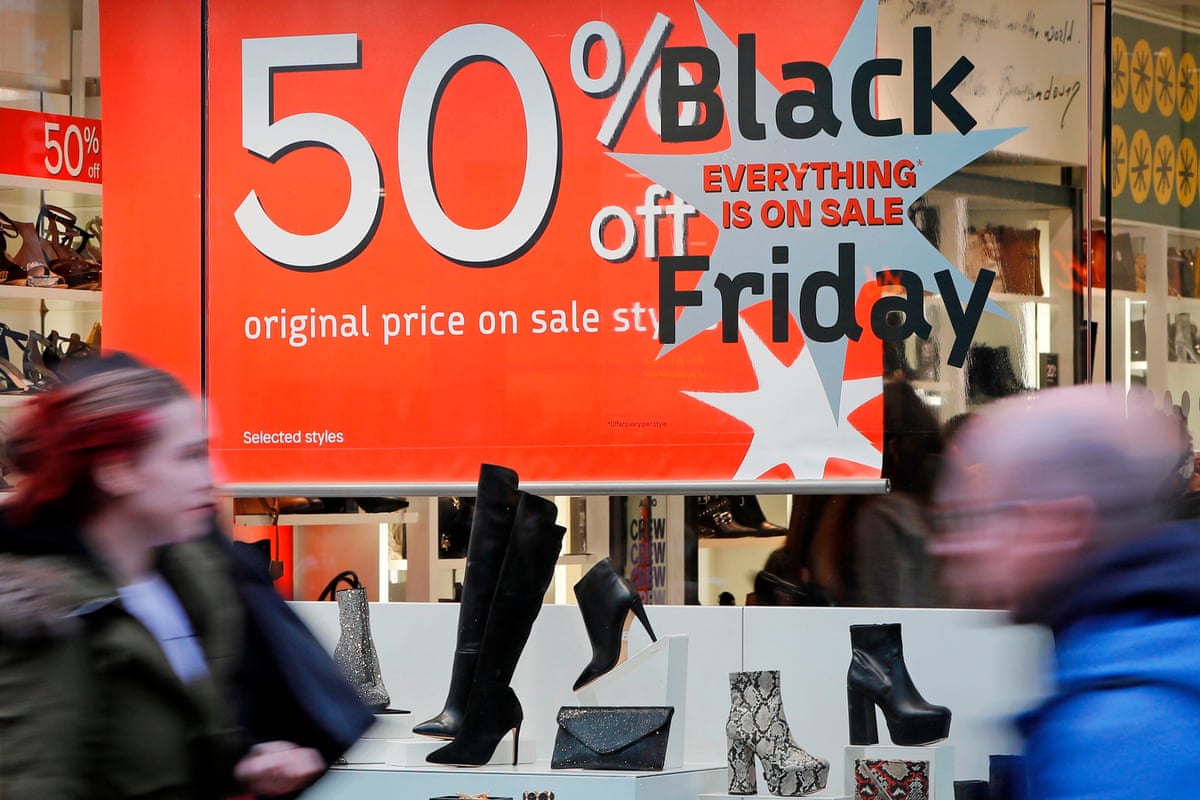
The problem extends beyond the UK. In August 2026, France's consumer watchdog fined the online fashion retailer Boohoo €2.3 million after discovering that nearly half of its advertised discounts were actually price increases, and that synthetic items were mislabelled as leather and suede. This case illustrates how misleading discount practices can operate at scale across multiple product categories.
According to reporting from 9 August 2026, the UK government's crackdown will specifically target misleading claims about discounts, including fake previous prices and invented markdowns. The CMA has already begun using its newer enforcement powers in such cases, including a High Court action against the bed retailer Emma Sleep over what the regulator termed "headline discount claims" that applied across a website or product category rather than to individual items.
What are the rules on reference prices?
In the past, regulators stated that retailers should sell an item for at least 28 consecutive days at a higher price before using that figure as a reference price when discounting it. The product must also have been offered at that price during the previous six months. However, these were guidelines rather than strict legal requirements.
Under the 2024 Act, retailers retain freedom to set their own prices. Hafsah Nawaz, a lawyer at A&O Shearman who specialises in competition law, explains the distinction:
"It's not about telling retailers what prices to charge, but about ensuring that the way prices or discounts are presented doesn't deceive shoppers."
To help retailers understand their obligations, the Chartered Trading Standards Institute (CTSI) has published guidance on how to describe discounts accurately. While this guidance is not legally binding, regulators including the Advertising Standards Authority and the CMA regularly refer to it when making enforcement decisions.

According to the guidance, retailers must be able to substantiate their claims when comparing a new price to a reference price, and any quoted saving must be "genuine". The guidance does not specify exact timings, but states it would constitute bad practice if a product were sold at the higher reference price for a shorter period (say, one month) than at the discount price (say, two months). Additionally, the product should have been sold at the original price at the same store where it is now being discounted.
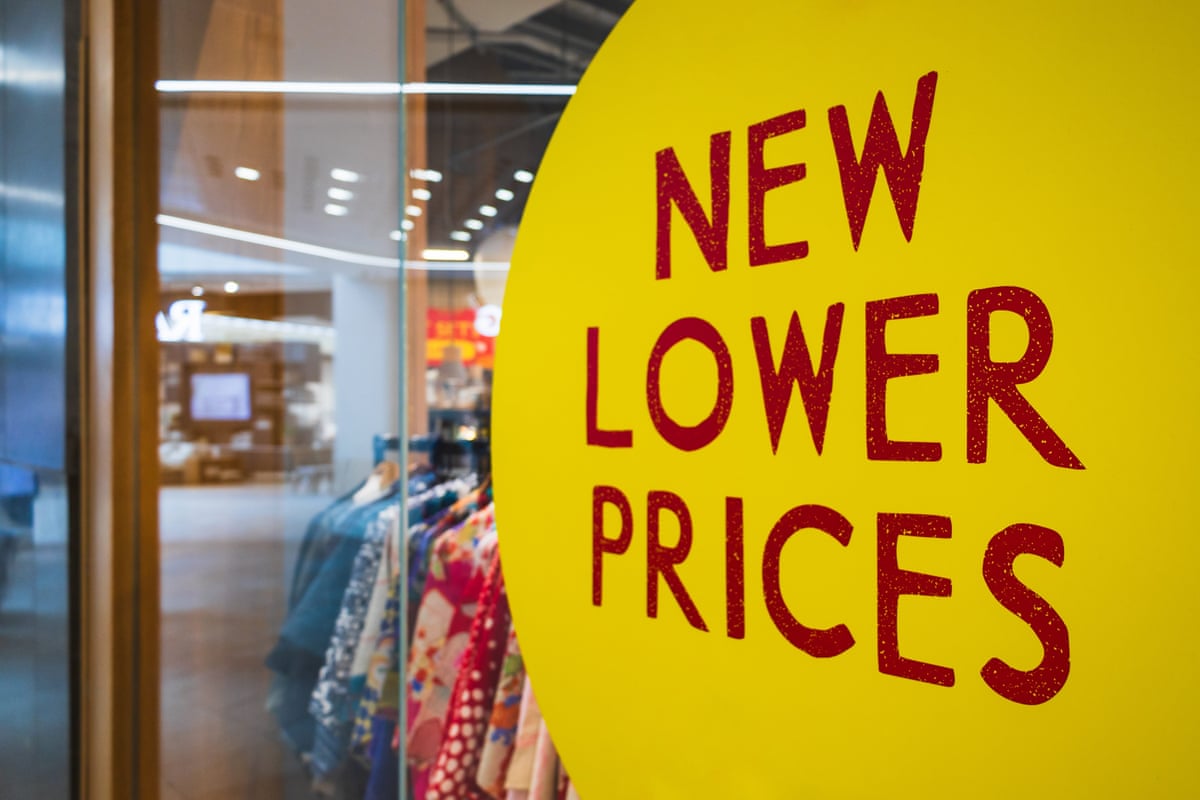
Geraint Lloyd-Taylor, a lawyer at Lewis Silkin who specialises in consumer regulation, emphasises the importance of consistency:
"It's not just about saying it's on sale – it's about basically making it available in the same way. So if it's on the retailer's website as a discount, it should have been on their website at the higher price, too."This prevents retailers from selling products at reference prices at only one outlet in a remote location, then claiming large discounts elsewhere.
If a product has been steadily declining in price over several months, retailers should not quote an old, much higher price as if it were the genuine, usual price.
"You shouldn't be talking about a price that was applied three prices ago,"Lloyd-Taylor says.
When is a discount not genuine?
The CTSI guidance states that a discount is unlikely to be genuine if there is no evidence of "significant" sales having been made at the reference price. Lloyd-Taylor explains the logic:
"If nobody really buys them, that's an indication that the prices of those things are not genuine, so when they are discounted, the customer is not getting a good deal. You're just being fobbed off with a sort of 'fake' higher price."
Consider a practical example: a retailer sells a cushion for £20, then raises the price to £30 a week before Black Friday, and then reduces it back to £20 during the Black Friday sales while claiming a £10 discount. In reality, few customers may have paid £30 for that cushion throughout the year. However, as long as a "significant" number of people paid that price during the preceding week, the discount could be deemed "genuine" under current guidance.
The situation becomes more complicated if, during the week the product was on sale at the reference price of £30, it was also part of another promotional offer, such as "3 for the price of 2". In this scenario, the £10 Black Friday discount may no longer be considered "genuine" because the reference price itself was artificially inflated by the concurrent promotion.
According to CMA pricing guidance, savings claims such as "70% off" must reflect genuine, evidenced price reductions, and claims using language like "up to x% off" must apply to a significant proportion of products in the category being advertised.
Why is clarity needed?
Davies points out that some retailers will test the boundaries of the law to see what they can get away with.
"We've repeatedly found problems with misleading price practices across a whole range of different retailers, and it can be very difficult to get action taken against those [by regulators]. And I think part of that is that there's not enough clarity about what is illegal or not."
She believes that adding specific pricing practices, such as the use of misleading RRPs, to a banned practices list
"would send a much clearer message to businesses about what they have to do to comply."However, she cautions that the wording must be carefully considered.
"It's not a simple thing to word it, because there will always be loopholes."
The CMA has already demonstrated its willingness to pursue aggressive enforcement. In the Emma Sleep case, the regulator secured a High Court order requiring the retailer to implement compliance measures including monitoring systems, staff training, and the provision of specified datasets to the CMA within six months of a 20 June 2026 compliance deadline.
What does the government want to achieve?
A government spokesperson told consumer media that existing rules to protect consumers from being misled or deceived
"can be difficult to prove and uphold."The spokesperson added:
"That is why we are considering changing the law to crack down on these misleading pricing tactics … This is not about banning legitimate discounts or stopping retailers from advertising previous prices. It is about making it easier to tackle practices that mislead consumers."
A CMA spokesperson stated that the regulator believes
"clear, accurate information about price discounts is vital for consumers and helps them shop around to make the best decision, particularly when household budgets are squeezed."
Which? has called on the government to implement these rules swiftly
"to give consumers much-needed protection against sneaky pricing tactics, and hold businesses to account with tough enforcement, including fines, if they fall short."
What happens next
The government's consultation on banning fake claims, invented discounts, and misleading RRPs is expected to take place in autumn 2026. If the consultation leads to changes in the law, new practices could be added to the Digital Markets, Competition and Consumers Act's list of automatically prohibited commercial practices, making enforcement faster and more straightforward for regulators across the country.