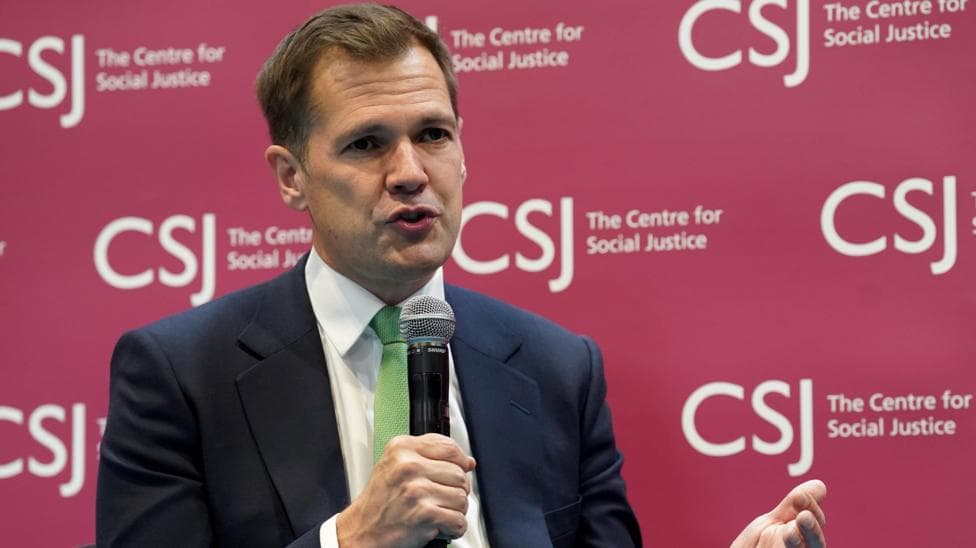
Reform UK is committing to raise the tax-free personal allowance to £15,000 if it wins the next general election, with the party positioning the move as central to its economic platform. Robert Jenrick, Reform's economic spokesman, will unveil the proposal on the final day of the party's conference in Birmingham, framing it as a measure to reward workers and reverse years of frozen thresholds.
Jenrick intends to announce that he will implement the tax cut within the first 100 days of becoming chancellor. The policy represents Reform's flagship announcement at this conference and ranks among the party's most significant tax commitments heading into the next general election campaign.
How much would this save taxpayers?
Reform estimates that lifting the threshold by £2,430 would deliver annual savings of around £500 to most taxpayers. The party calculates that 2.9 million people would cease paying income tax altogether under the new arrangement. The proposal would carry a cost of £17.7bn in its first year, escalating to £21bn by the fifth year, according to Reform's figures.
The party says it can fund this through £80bn of public spending cuts planned across five years, a broader fiscal consolidation programme that has been a centrepiece of Reform's economic messaging at the 2026 conference.
What will Jenrick say in his speech?
As chancellor, I will wake each morning with one purpose. To make Britain a better place to be a worker than it was the day before.
Jenrick is expected to highlight the impact of the frozen allowance on low-income workers.
1.3 million were dragged into paying tax last year alone. Why? Because the tax-free allowance has been stuck at 12 and a half grand since 2021. And Labour has frozen it until 2031.
That betrayal costs a full-time worker on the minimum wage more than £750 a year. And now for the first time, the freeze means they're going to be taxing the state pension. What a disgrace.
In framing the policy, Jenrick has signalled in advance that raising the personal allowance would be the most popular tax move, positioning it as a pro-worker initiative that addresses cost-of-living pressures.

What was Reform's previous position on the allowance?
Reform's 2024 general election manifesto proposed an even more ambitious threshold of £20,000. Jenrick will tell conference delegates that this remains his long-term objective, though the immediate proposal targets £15,000. This represents a scaling back of the party's earlier ambition, though still significantly above the current £12,500 level.
What is the government's stance?
Prime Minister Andy Burnham acknowledged the frustration among constituents in his Makerfield seat about the frozen allowance, telling the Times the issue had "lodged in my mind". However, he subsequently indicated that while the matter would be examined in the upcoming Budget, any change would prove "difficult given the financial circumstances".
How would Reform fund the spending cuts?
Reform has identified multiple areas for reduction. The party proposes a £50bn cut to welfare spending, though it has committed to protecting the state pension, which accounts for half of the £353bn total welfare budget. Instead, Reform intends to reduce spending on disability benefits and remove certain benefits from foreign nationals.
Beyond welfare, the party plans to save £10bn by scrapping net-zero programmes, £8bn through reducing civil service numbers, and £7.1bn by capping the foreign aid budget. These measures form part of Reform's broader positioning as the "party of fiscal responsibility" in its conference economic messaging.
What other tax and spending policies has Reform announced?
The personal allowance pledge is one element of a wider policy rollout at the 2026 conference. Reform has also announced a separate commitment to cut energy bills by £250 annually within its first 100 days, according to recent conference announcements. Additionally, the party unveiled a housing proposal to make some brownfield new-build homes tax-free for a decade, eliminating stamp duty, capital gains tax, and rental income tax on such properties.
Reform's broader tax platform, developed ahead of the 2026 conference, has included proposals to reduce corporation tax, cut fuel duty, and scrap stamp duty on lower-value homes, reflecting a comprehensive approach to tax policy rather than focusing solely on the personal allowance.
What happens next?
Jenrick was scheduled to deliver the personal allowance announcement in his conference speech on Saturday, 6 September 2026. Reform's policy rollout was continuing through the weekend, with additional announcements expected following the energy and housing pledges already made at the conference.

Reform's conference agenda extends beyond tax and spending to encompass benefits reform, council policy, housing development, and energy costs, reflecting the party's attempt to present a comprehensive alternative economic platform ahead of the next general election.
Key Facts
- Reform proposes raising the tax-free personal allowance from £12,500 to £15,000, saving most taxpayers around £500 annually and removing 2.9 million people from the income tax system
- The policy would cost £17.7bn in year one, rising to £21bn by year five, funded through £80bn of public spending cuts across five years
- Reform's 2024 manifesto proposed an even higher threshold of £20,000, which Jenrick indicated remains a long-term goal
- The announcement forms part of a wider conference policy agenda including energy bill cuts of £250 annually and tax-free new-build homes on brownfield sites
- The current tax-free allowance has been frozen at £12,500 since 2021, with the government having committed to maintaining the freeze until 2031