Taya Reed says she realised she needed to dress to impress for her interviews as she tried to secure her "dream job" with a fashion company. The London-based science graduate, 23, from two top universities in the UK capital, applied for a marketing job at womenswear brand Tala and had already done her homework by devising a promotional campaign for the business. She also put a great deal of thought into what she would wear for the interviews, first online and then in person.
"I find outfits can be a good conversation starter," she says, adding she showed up to her main interview wearing an all-white ensemble with ballet flats, a long maxi skirt, and a white vest, all "girly and summery".
"I wanted to show I fit in with the company's culture."
It worked, and Reed got the job last month.
With youth unemployment stubbornly high on both sides of the Atlantic, young adults need to think of every possible way they can positively stand out in interviews. While substance matters, research suggests appearance is also important. In a 2020 UK study, 51% of employers admitted turning down a candidate because of the way they looked, with managers saying they had been influenced by scruffy clothes or poorly dyed hair.
Min-Hsuan Tu, a professor of human resources at the University of Buffalo, warns that job interviews can be unfair from the moment a candidate walks in. The main author of a 2021 paper on the topic, she says good-looking people get hired more often because people associate attractiveness with positive traits such as trustworthiness and intelligence.
Individuals seen as attractive are likely to have received more positive attention and preferential treatment since childhood, helping them better learn non-verbal communication skills from an early age, Tu says. As a result, they can be more confident.
"Studies show that attractive people tend to have better communication skills and networks. They also have a higher sense of power," she says.
However, physical attractiveness is not limited to one's face or body shape but includes clothing and make-up. Making an effort to present well is important, says Tu.
I wore a shirt and trimmed my beard
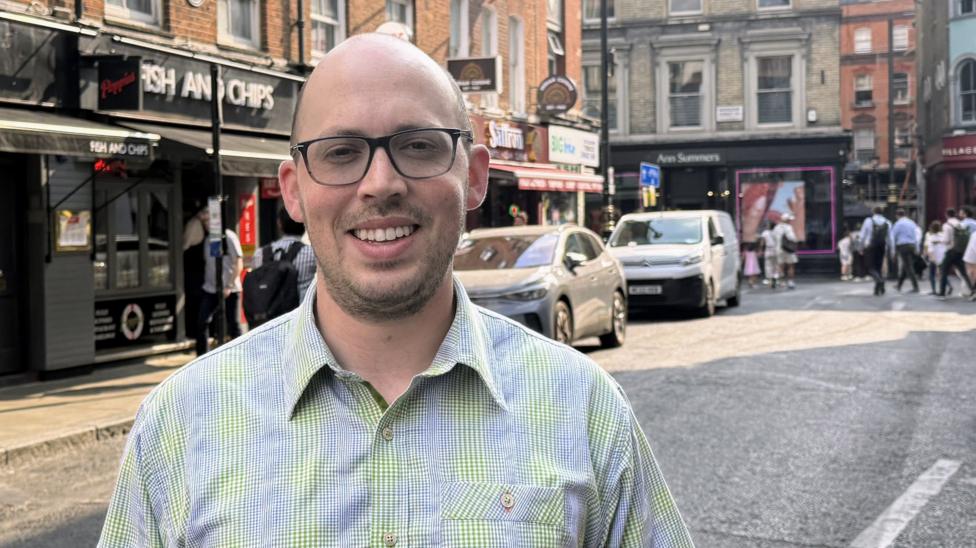
Matt Cohen has secured his first job since he graduated.
The 31-year-old American, who moved to London two years ago, aimed for a confident demeanour in his recent job interviews. The holder of a master's degree in marketing, he landed his first post-graduation job this month after spending almost a year looking for work.
After a slow start and more than 100 cover letters, Cohen finally got an opportunity to shine with a few rounds of interviews that landed him an entry-level executive role at a media company.
He wore a long sleeve buttoned-down shirt for interview, even though people in the company wore T-shirts.
"It's important that I appear professional, especially because I want to show I'm prepared if we have meetings with clients," he says.
He trimmed and groomed his beard, and made sure his short hair was neatly cut.
Besides appearances, Cohen also mastered non-verbal cues.
"I try to give good eye contact, nod to what they're saying and show them I'm engaged," he says.
One interview technique helps him lower his stress levels and make a personal connection.

"I pretend they're already my friends and already offered me the job, and this interview is just about figuring out the details," he says. "I try to go into a zone - it usually works. I try to seem in control."
Caroline Hickey, a London-based career coach who advised both Reed and Cohen on how to interview, agrees that appearances matter, especially in such a competitive job market.
"Showing that you have taken care of your appearance and have presented yourself in a professional manner is an unconscious signal to the interviewer that you are taking the opportunity seriously," she says.
It also makes it easier for the interviewer to picture you in their office, or perhaps in front of a client, adds Hickey.
She argues that "knowing that you look good makes you more confident".
Madeline Drucker, 21, from Short Hills, New Jersey, agrees. She recently secured two internships through video interviews.
"I definitely prepared the same way I would for an in-person interview," she says. "I would do my hair, put on make-up, wear a nice sweater, and make sure my video background is clear and blurred so [the interviewers] are focused on me.
"When I feel like I look good, I feel more confident and perform better," she says, adding it is especially important on video calls where it can be harder to connect with people.
She wore green, her favourite colour, with a ring and bracelet to play with off-screen and calm herself.
"I'm a fidgeter and that's distracting. The bracelet helps," she says.
As for Taya Reed back in London, part of her process was to do some deep breathing in a nearby park before the in-person interview.
"I tried my best to be super-relaxed, even if I was stressed inside," she says. "I'm so glad it worked out."
personal finance stories
The 20-somethings betting big on tech stocks
Is 'out of control' US tipping culture spreading overseas?
We had packed lunches every day for 10 years and retired at 40
I changed jobs 10 times in 10 years to get the career I wanted