

A Victorian-era police station in Tonypandy, the Rhondda Cynon Taf town at the centre of the 1910 coal strike disturbances, has been put up for sale by auction with its original cells still intact. Paul Fosh Auctions listed the two-storey building, constructed in 1876, with a guide price of £99,000, describing its "impregnable cells" as one of its most striking features.
The site had already secured planning permission from Rhondda Cynon Taf council to be converted into offices, and the auctioneers suggested the building could represent a bargain for a buyer willing to take on the renovation.
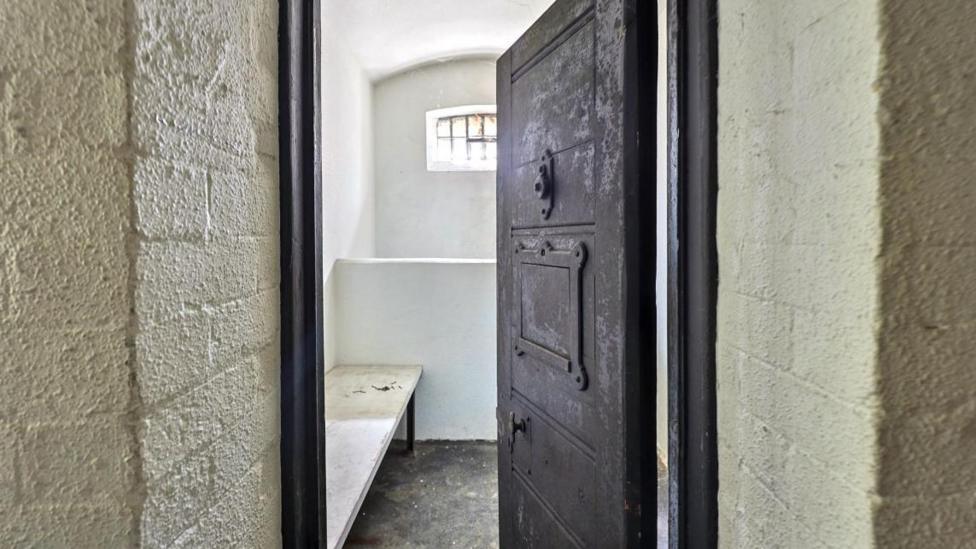
Inside, heavy metal doors remain fixed at the entrance to the former cells, while barred windows and steel-braced, bolt-fitted doors give the interior an unmistakably institutional character. Shelving found inside one of the cells hints that its function shifted at some point over the decades the station was in use.
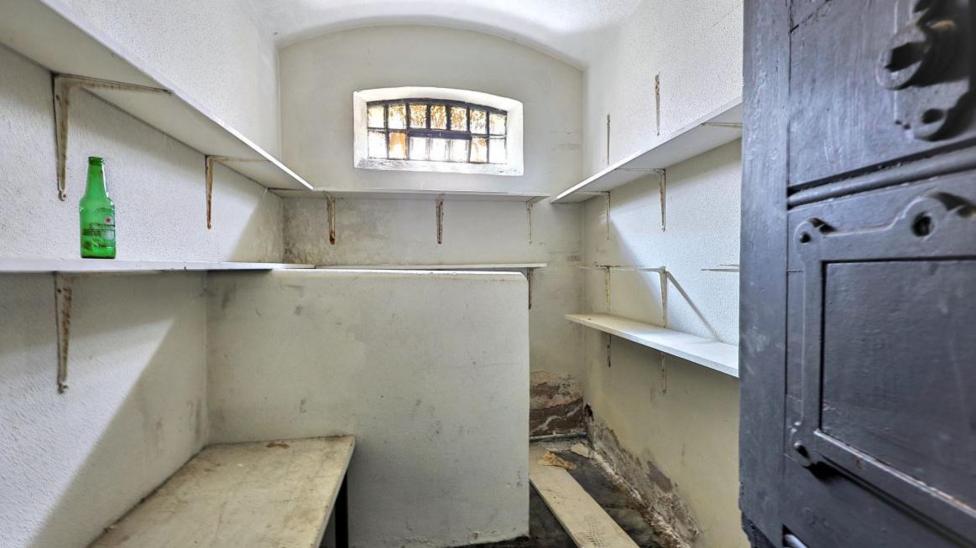
Not every part of the building has been left untouched, however. Several rooms have already been stripped out or partially cleared in anticipation of the office conversion previously approved by the local authority.
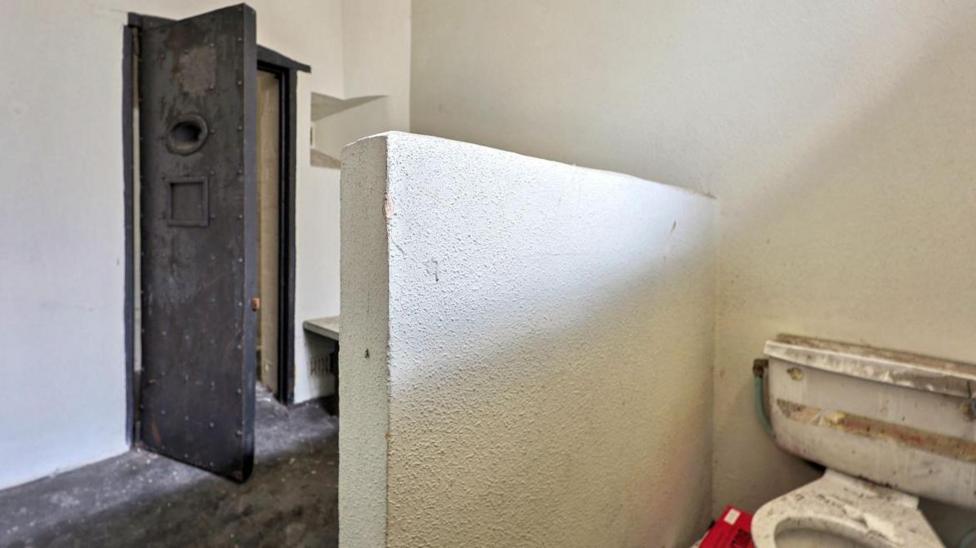
"Surely the most iconic features of the vacant building must be the former cells with their solid walls, barred windows and steel-braced, bolt-fitted doors," said the auctioneers.
"One can only wonder at the history of the building and in particular the former inmates who would have been accommodated in this historic building over the years."
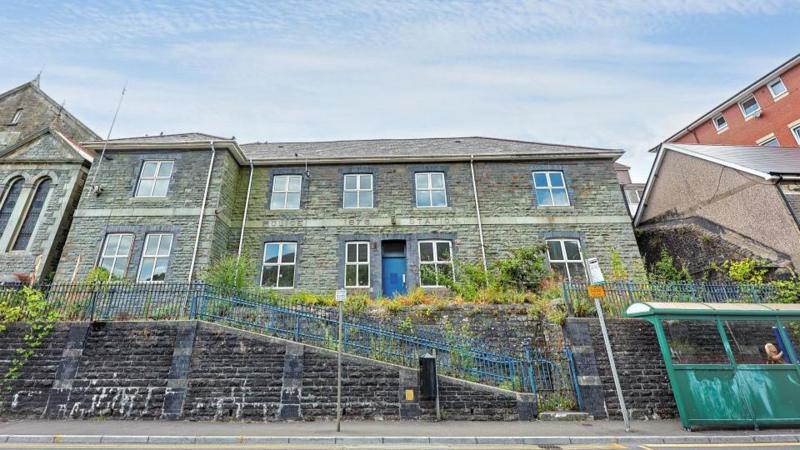
Paul Fosh Auctions said officers and soldiers are believed to have used the Tonypandy station as a base from which to arrest those swept up in the unrest of 1910, giving the building a direct link to one of the most notable episodes of industrial conflict in Welsh history.
What prompted the Tonypandy Riots?
The trouble began on 1 September 1910, when owners at the Ely Pit in Penygraig locked out 950 miners following a dispute over pay linked to the expected extraction rate on a newly opened coal seam.

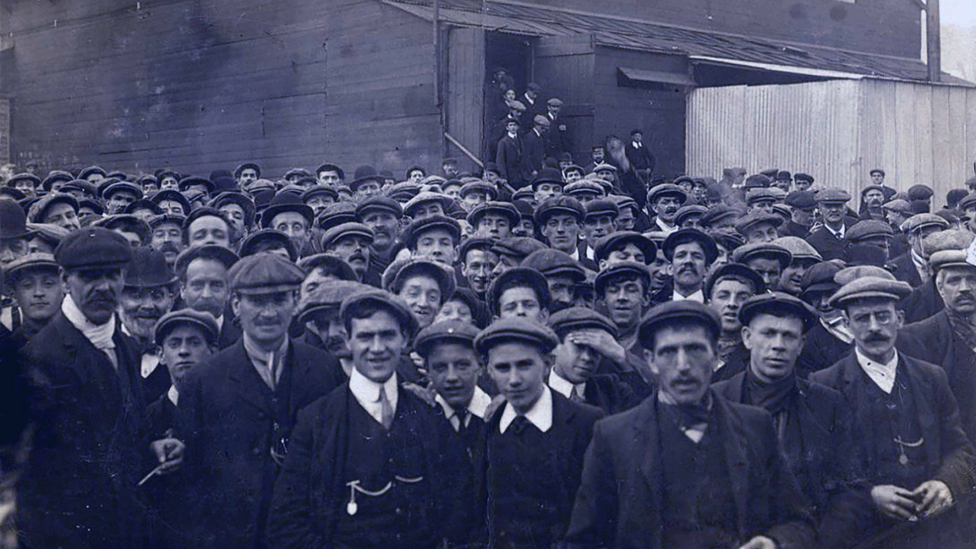
By early November, the dispute had escalated to involve all 12,000 colliers employed by the Cambrian Combine, forcing the closure of every pit the company operated in south Wales bar one.
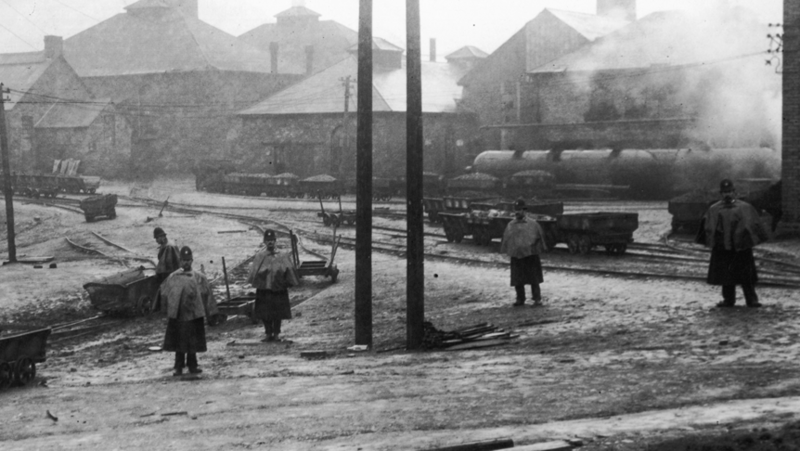
On the nights of 7 and 8 November 1910, striking miners ransacked shops and property belonging to mine owners in Tonypandy, prompting the deployment of additional police officers to the town.
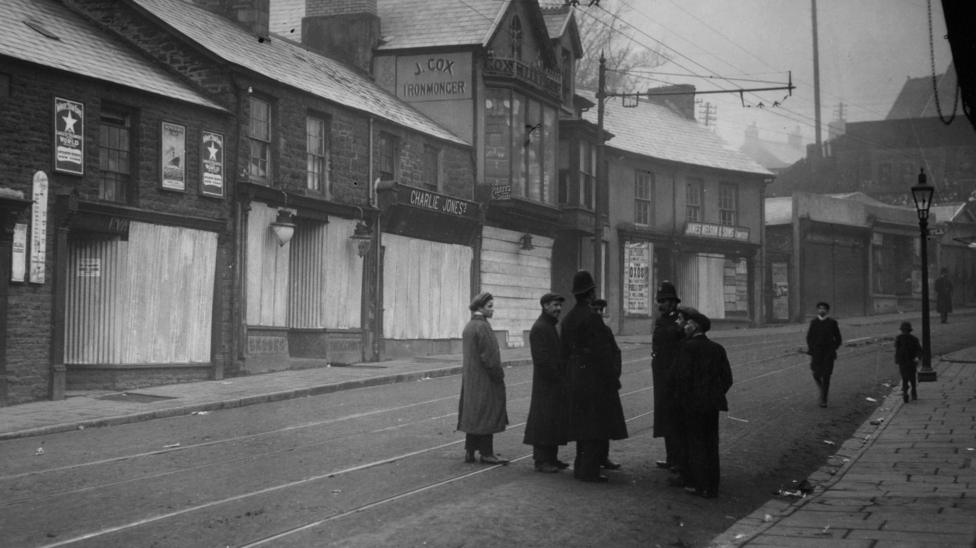
Winston Churchill, then serving as Liberal Home Secretary, subsequently ordered troops onto the streets of Tonypandy to reinforce police, a decision that damaged his standing among many people in the area for years afterwards.
Is this the only Welsh riot-linked property to have gone under the hammer?
The Tonypandy sale follows a separate case in which a 19th-century former toll house in Llannon, Carmarthenshire, tied to the Rebecca Riots, went to auction with a guide price of £69,000, as detailed in our earlier report. That property later sold for £76,000 after attracting five bidders, according to our follow-up coverage, suggesting a wider appetite among buyers for properties tied to Wales's history of civil unrest.
What happens next?
The sale of the former Tonypandy station has not gone entirely to plan. According to the property's listing on the auctioneer's own lot page, the building was subsequently withdrawn from sale, and the guide price shown there was later amended to £90,000-plus rather than the £99,000 figure originally reported. The same listing had stated that online bidding was due to run from 18 June to 20 June, with the property offered with vacant possession, though a separate report from the South Wales Argus gave a different auction window of 1 September to 3 September, pointing to a revised timetable at some stage in the process.
Further detail from the auctioneer's listing describes the building as containing offices, a mess room, kitchens and other ancillary areas spread across two floors, and notes its prominent position on Dunraven Street in Tonypandy town centre, close to retailers including Home Bargains, Dominos and Iceland. Planning records cited by local authority planning documents show that Rhondda Cynon Taf granted consent on 1 May 2025 for a change of use from police station to 14 offices under a mixed A2 designation, rather than the more general office conversion referenced in the original sale material.
Key Facts
- The former Tonypandy police station was built in 1876 and is being marketed by Paul Fosh Auctions.
- The original reported guide price was £99,000, though the auctioneer's own lot page later listed it as £90,000-plus.
- Officers and troops based at the station are believed to have arrested people involved in the Tonypandy Riots of 1910.
- Planning permission granted on 1 May 2025 allows conversion of the building into 14 offices under mixed A2 use.
- The property was subsequently withdrawn from auction, with conflicting reports over whether bidding was scheduled for 18-20 June or 1-3 September.


