Thousands of households across the south-west who depend on heating oil for warmth face mounting financial pressure this winter as global tensions drive fuel costs sharply higher, according to warnings from local government leaders.
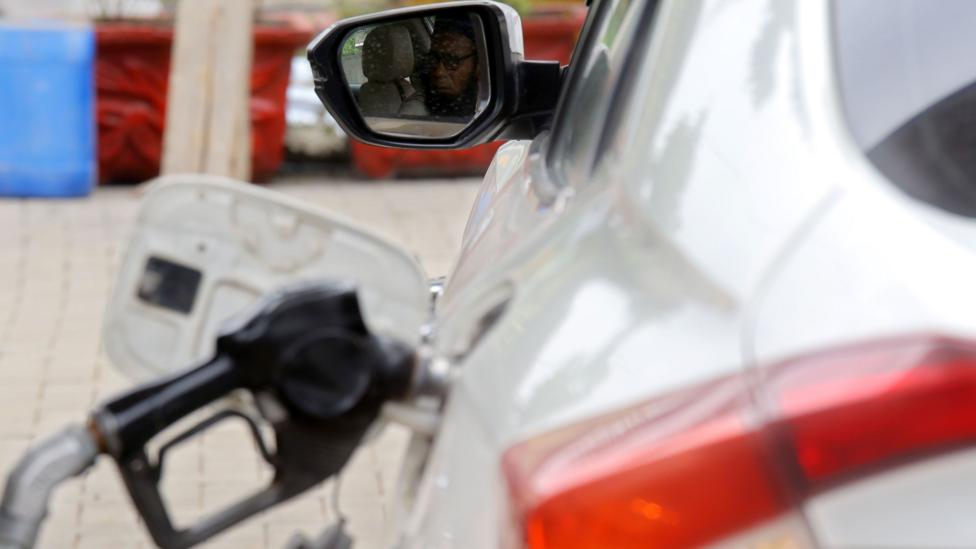
Cheryl Cottle-Hunkin, Devon County Council's cabinet member for rural affairs and broadband, has expressed serious concern about the impact on families already stretched by living costs. The price of heating oil has climbed from approximately 60p per litre before Middle East conflict escalation to around 97p per litre, according to price comparison data.
Cottle-Hunkin, a fifth-generation farmer based near Great Torrington, has highlighted how these increases extend beyond domestic heating to affect agricultural operations.
"These aren't just minor increases, they're quite severe shocks,"she said, noting that farming businesses face particular challenges when fuel costs rise for vehicles and heavy machinery used daily.
How many households are affected?
Devon has approximately 41,000 households relying on heating oil as their primary heating source, making them vulnerable to sudden price fluctuations. Across the border in Cornwall, more than 34,500 households depend on oil for central heating, while in Guernsey, an estimated 30,000 homes use oil-fired boilers.
Unlike mains gas customers protected by Ofgem's price cap, heating oil users face no equivalent regulatory safeguard.
"The price can double overnight,"Cottle-Hunkin warned.
"There's no equivalent Ofgem price cap on the heating oil."
What are households paying now?
The financial impact has been substantial. Heating bills have risen by several hundred pounds over recent months, with some households needing to find an additional £500 or more to fill their tanks compared to previous years.
"It's like hundreds of pounds that people have got to find,"Cottle-Hunkin said.
"To fill up a tank with oil, it might be like £500 more that they've got to find that they weren't expecting."
Mark Clews, who lives near Callington in Cornwall, experienced the shock firsthand. He delayed refilling his tank over summer while arranging a replacement boiler.
"Last year we paid 55p a litre for delivery at the same time of year,"he said, contrasting sharply with current prices now exceeding £1 per litre.

In Guernsey, heating oil prices have climbed above 100p per litre, typically running about 15p higher than UK prices. Nigel Staples, who runs Guernsey Fuel and Oil Watch, noted the dramatic shift:
"A full tank is going to cost me around about £1150, last year it would have been £750."He described the market as
"very volatile"in recent months.

What support is available?
The UK Government has announced support measures totalling £53 million to assist those using heating oil, alongside allocating £1 billion to local authorities through the Crisis and Resilience Fund. Devon has received £1,303,439 in dedicated heating-oil support, which will be delivered through the Crisis and Resilience Fund starting in April 2026.
However, eligibility is restricted to low-income households facing a sudden financial shock. The fund can cover unexpected bills, income drops, and difficulty paying for essentials including food, energy, water, housing costs and heating oil. It also provides wider support and financial advice to help households build resilience against future crises.
Cottle-Hunkin urged anyone in financial hardship to seek help through Devon's Crisis and Resilience Fund, available via local district councils. The scheme is delivered through Devon's district councils and Citizens Advice Devon.
The government has also directly supported farmers and the fishing industry by reducing duty on red diesel fuel to its lowest rate in over 20 years.

How are households coping?
Many families are adopting energy-saving measures to manage costs. Clews said his family had followed money-saving advice and installed electric blankets throughout their home.
"We've got electric blankets on every bed. We've got electric blankets on the sofa. We...only really turn heating on when it's absolutely necessary,"he explained.
Clews acknowledged his family's relative advantage in having a large storage tank, which provides flexibility over when to purchase fuel.
"However, he said many households would be in a more difficult position."For those without such flexibility, price spikes create immediate hardship.
In Jersey, the Consumer Council has encouraged householders to use its website comparing the cost of petrol, diesel and home heating oil across the island.
"A simple comparison could help you keep more money in your pocket,"it stated.
What happens next?
Devon County Council published fresh guidance on the Crisis and Resilience Fund on 1 September 2026, directing residents to their local district council or Citizens Advice Devon for assistance with heating-oil hardship. Full details on eligibility and application procedures are available through local district or city council websites.
The heating-oil support scheme is scheduled to launch in April 2026, replacing the Household Support Fund. This follows the Middle East conflict-driven rise in heating-oil costs that prompted the government's intervention. Households seeking help should contact their local district council or Citizens Advice Devon to access the scheme and understand their eligibility.
Key Facts
- Heating oil prices have risen from 60p to 97p per litre in Devon, driven by global tensions
- Approximately 41,000 households in Devon, 34,500 in Cornwall, and 30,000 in Guernsey rely on heating oil for warmth
- Unlike mains gas customers, heating oil users have no price cap protection against sudden increases
- Devon has received £1.3 million in dedicated government support for eligible low-income households, launching in April 2026
- The Crisis and Resilience Fund provides help with unexpected bills and financial advice, available through local district councils and Citizens Advice Devon